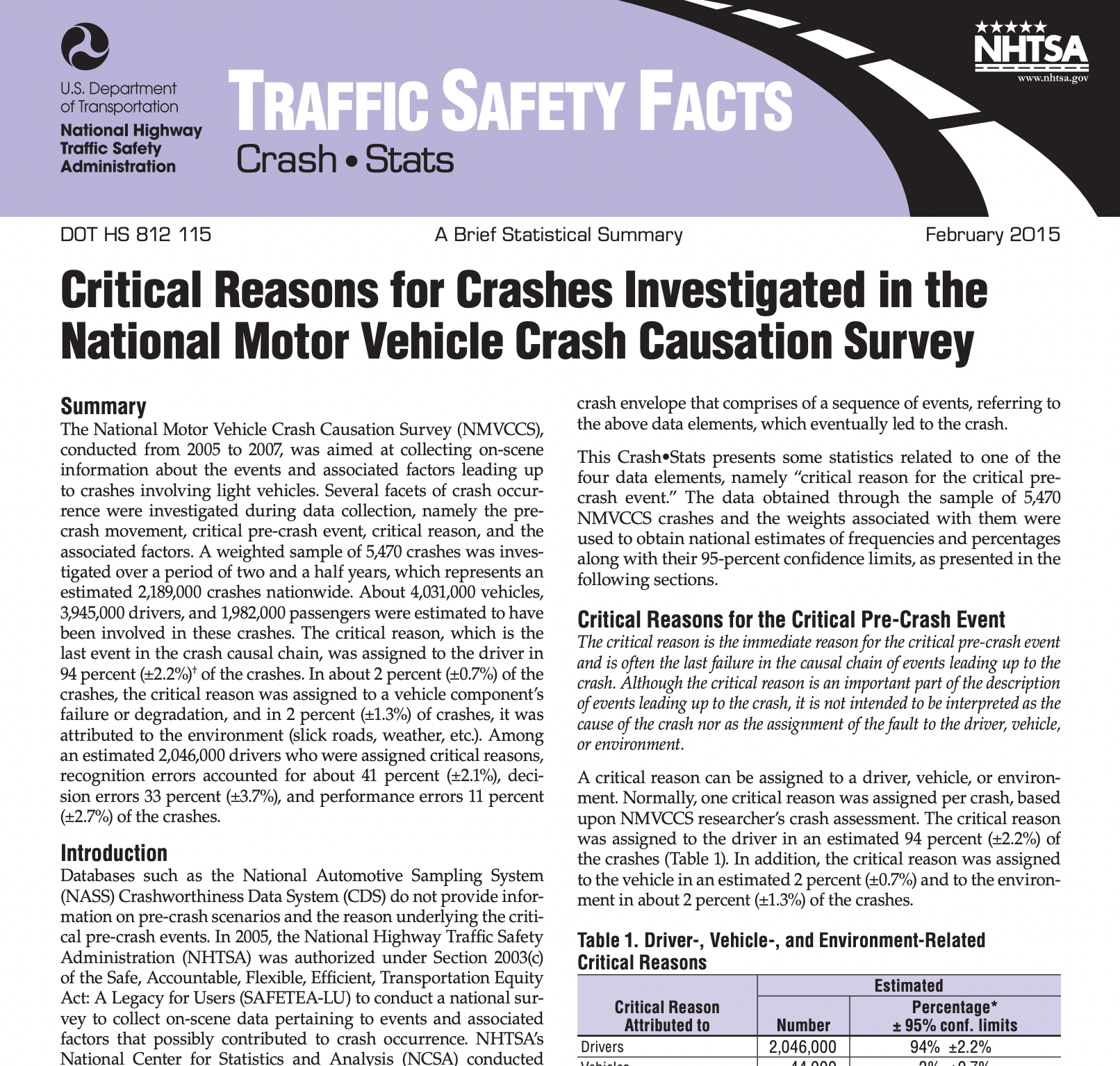
What Causes the Most Car Accidents


According to the National Highway Traffic Safety Administration (NHTSA), drivers were the critical reason in 94% of crashes, compared to 2% for vehicle problems and 2% for weather or road conditions.
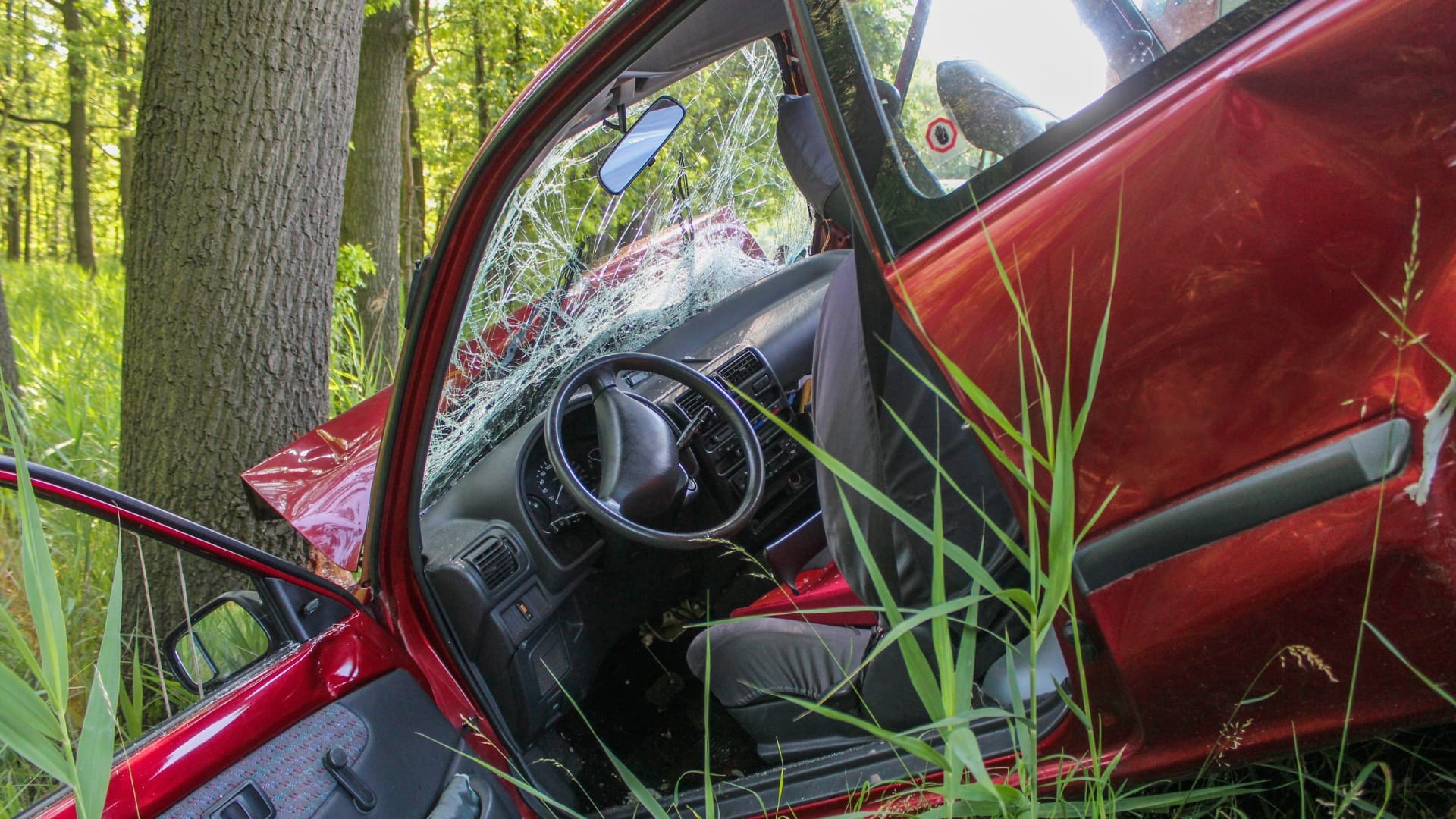
The findings come from NHTSA's Critical Reasons for Crashes Investigated in the National Motor Vehicle Crash Causation Survey, which analyzed 5,470 crashes between 2005 and 2007 out of an estimated 2.19 million crashes nationwide during that period. It is the most up-to-date study of its kind from NHTSA.
Researchers collected data from crash sites across the country, interviewing drivers and inspecting vehicles within hours of each incident to identify the critical causes.
What Are the Biggest Driver Mistakes That Cause Car Accidents?
The most common cause of driver-related crashes is failing to pay attention. Distraction and poor road awareness account for the largest share of crashes.
The most common driver-related causes are:

Distraction and Inattention: 41%
Distracted driving is the leading cause of vehicle crashes. Texting, eating, adjusting the radio, talking to passengers, or simply zoning out and failing to watch the road can lead to an accident. NHTSA classifies it as a "recognition error," meaning the driver failed to notice a hazard in time to react.
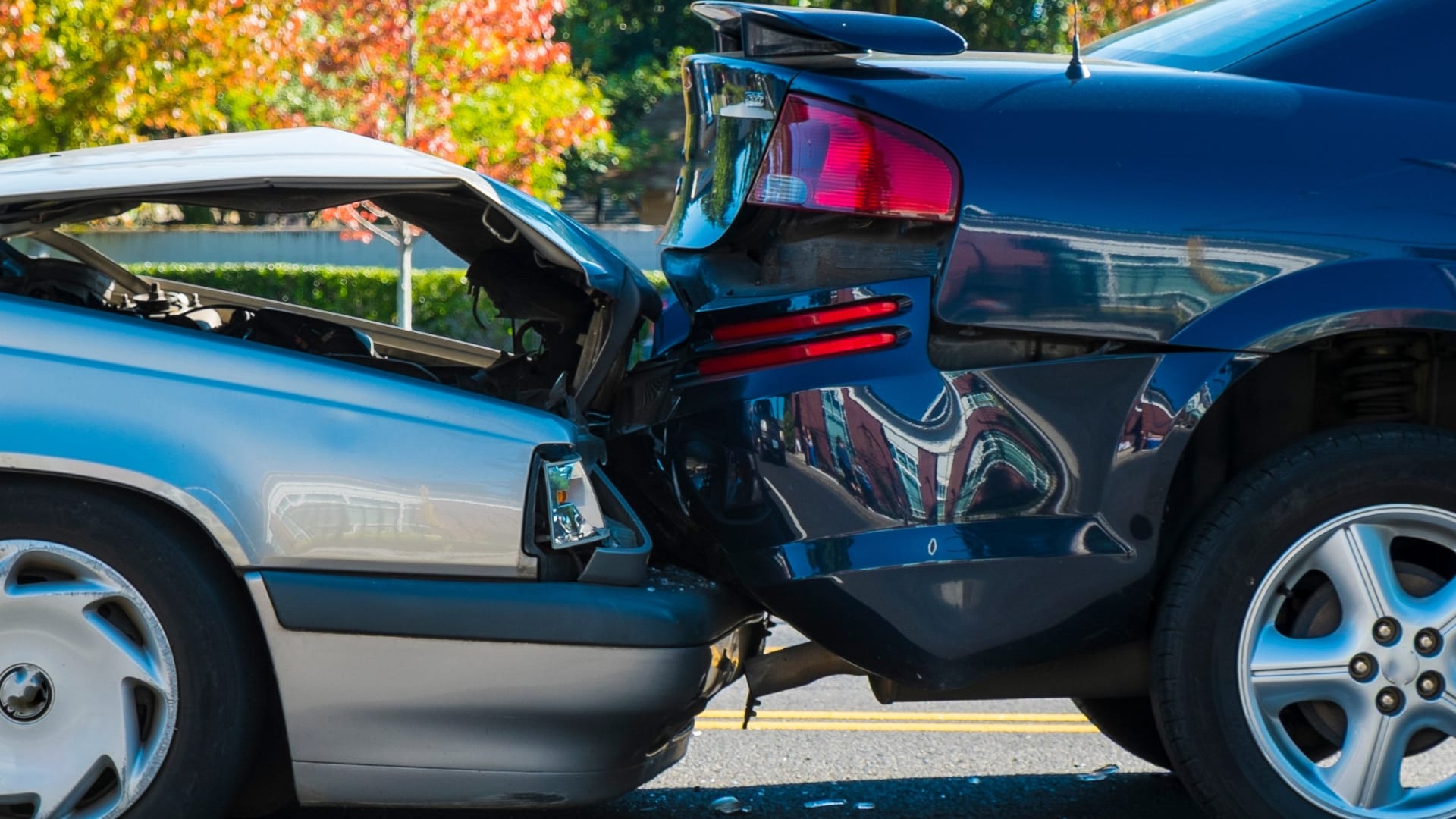
Decision Errors: 33%
Speeding, following too closely, and misjudging gaps in traffic account for 33% of accidents. These are cases where the driver saw the situation but made the wrong call, often because they were going too fast for the conditions or assumed another driver would do something they didn't.

Loss of Vehicle Control: 11%
Loss of vehicle control happens when a driver overcorrects, oversteers, or otherwise can't keep the car where it needs to be. It's less about attention or judgment and more about a driver's inability to handle the vehicle in the moment, whether from inexperience, road conditions, or simple error.
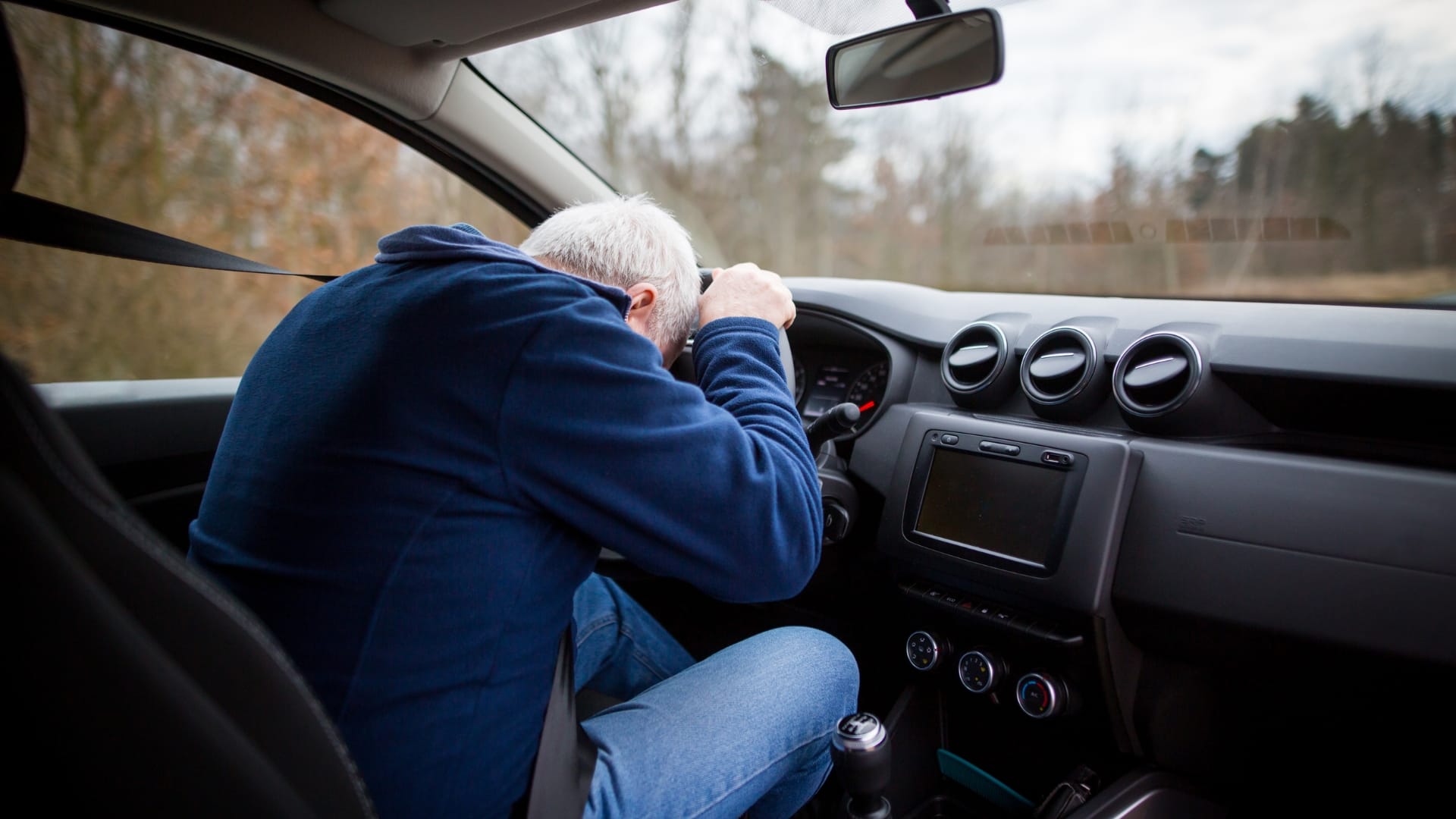
Falling Asleep or Other Non-Performance Errors: 7%
Falling asleep at the wheel causes about 7% of driver-related accidents. NHTSA classifies this as a "non-performance error" because the driver isn't making a mistake while alert and aware. Instead, the driver is simply not in a condition to drive. Other non-performance errors include sudden illness or other physical impairment.

Where Drunk and Impaired Driving Fits In
The NMVCCS study doesn't break out impaired driving as its own category. Intoxicated driving incidents are grouped with non-performance errors and fatigue. But NHTSA tracks alcohol-impaired driving separately every year, and the numbers are significant on their own.

In 2024, about 30% of all traffic crash fatalities in the United States involved drunk drivers with blood alcohol concentrations of .08 g/dL or higher, and 11,904 people were killed in these crashes.
That's roughly one person dying in a drunk-driving crash every 44 minutes. Let this be a stark reminder not to drive intoxicated.
When the Vehicle Is the Problem
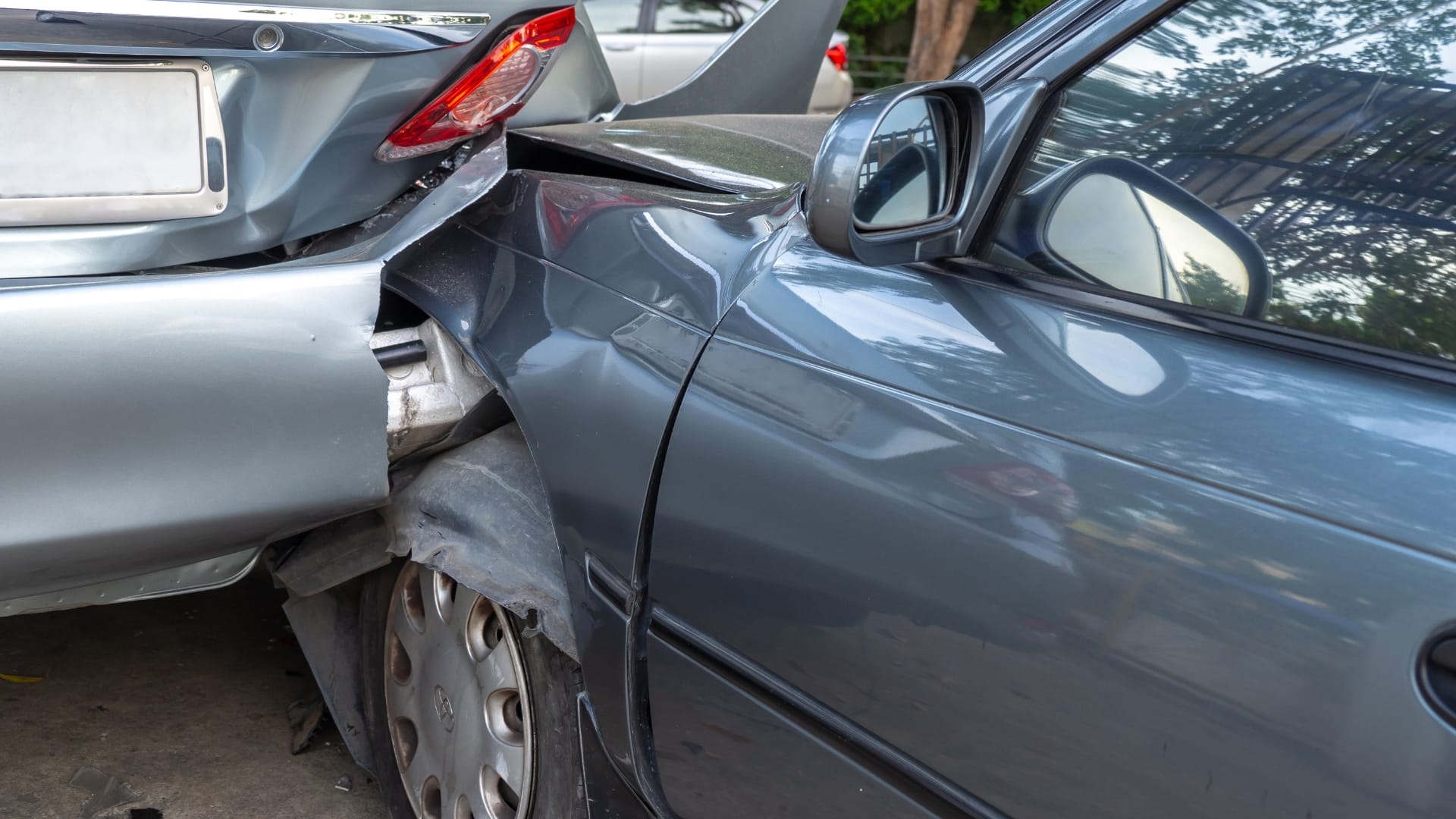
Mechanical failures rarely cause crashes, but when they do, these are the leading culprits:
- Tire problems: 35%
- Brake issues: 22%
- Steering, suspension, transmission, or engine problems: 3%
Tire maintenance is especially important because worn or damaged tires can reduce traction, increase stopping distances, and make it harder to control a vehicle. Brake failures often trace back to worn pads or low fluid, both of which are catchable during routine service.
Weather and Road Conditions
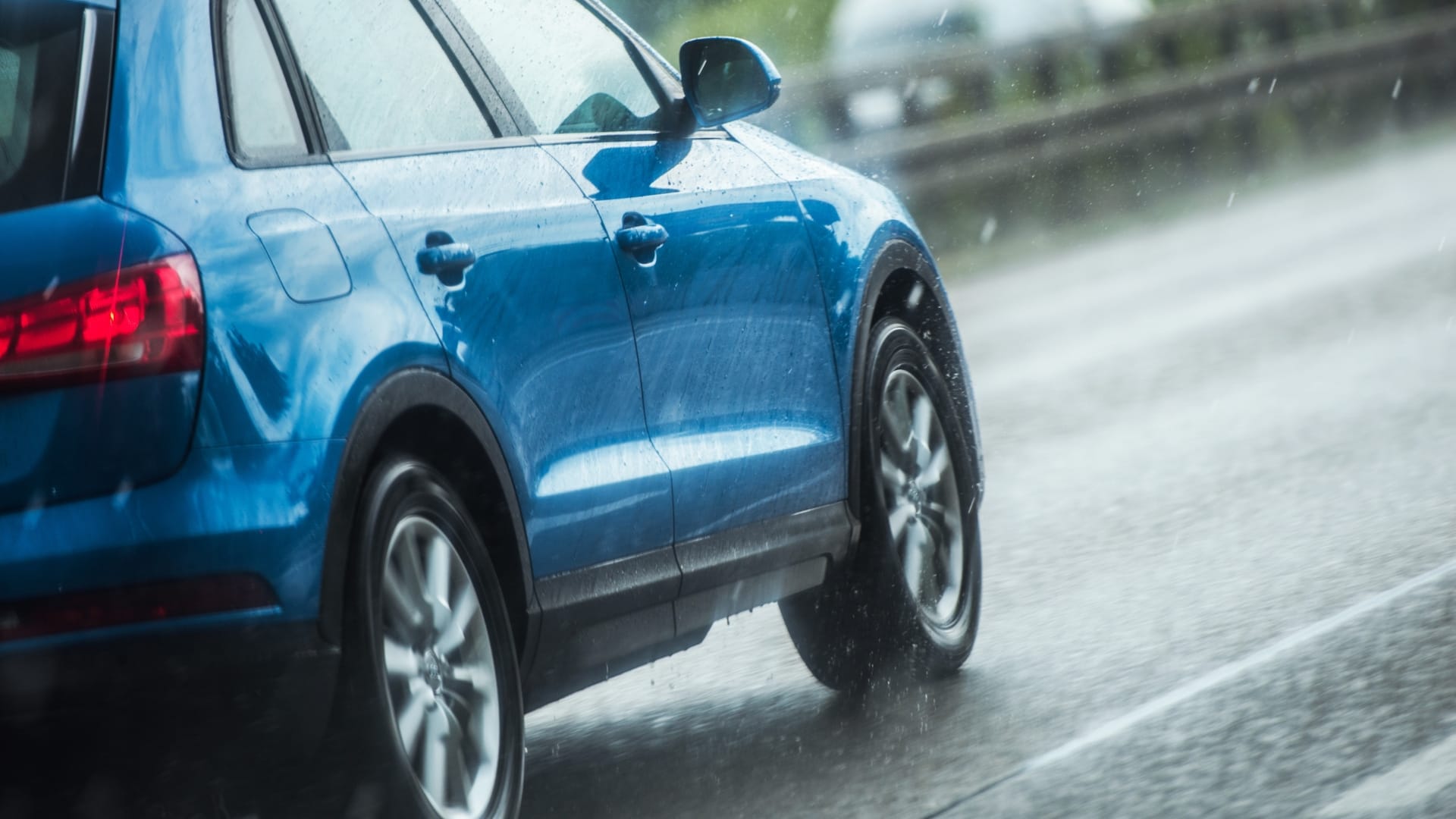
Environmental factors account for only a small share of crashes. When they are the critical reason, the most common are:
- Slick roads: 50%
- Sun glare: 17%
- Obstructed views: 11%
- Fog, rain, or snow: 4%
 Very Driver