Porsche Mission S Previews a New Supercar Above the 911

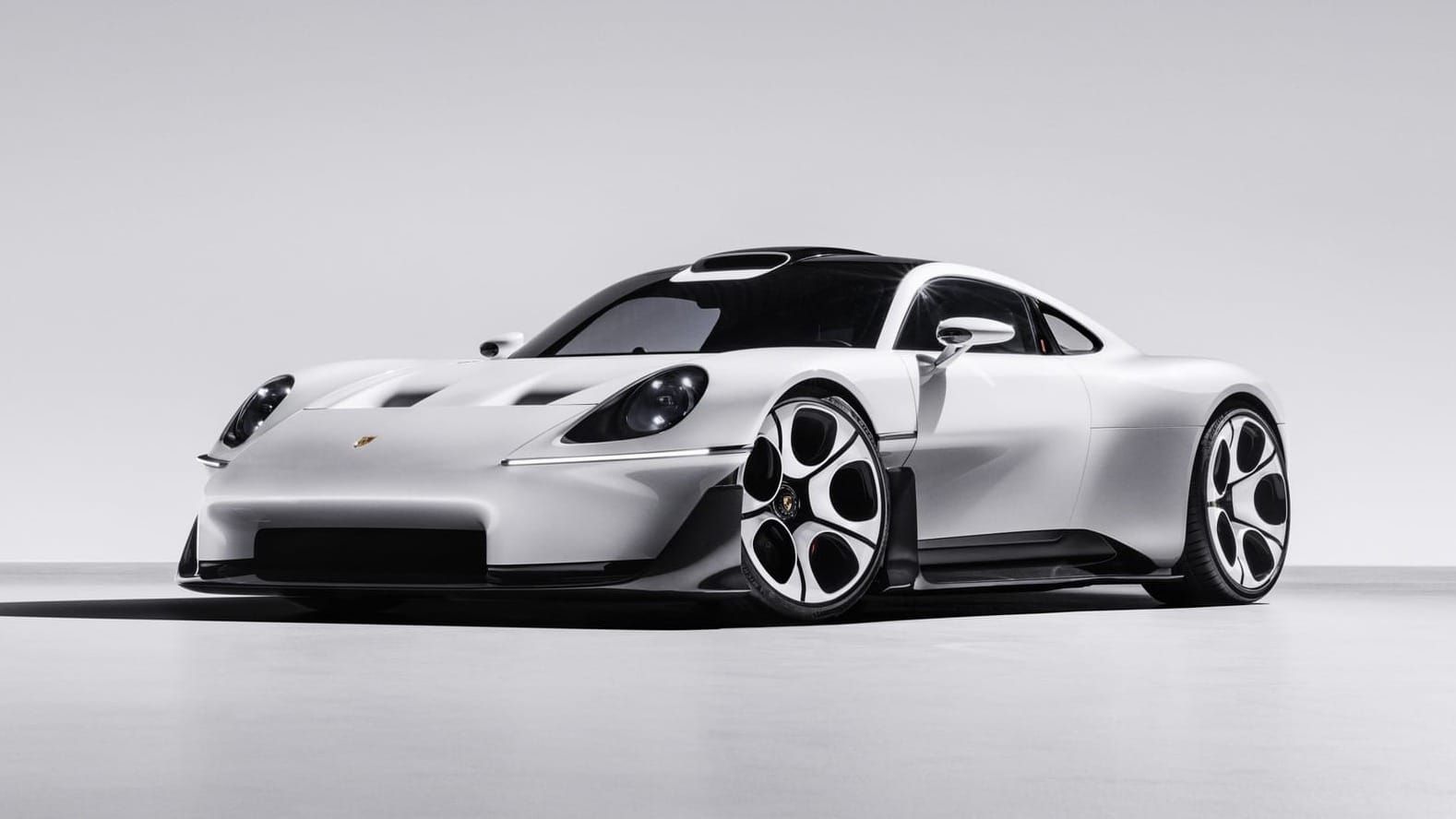
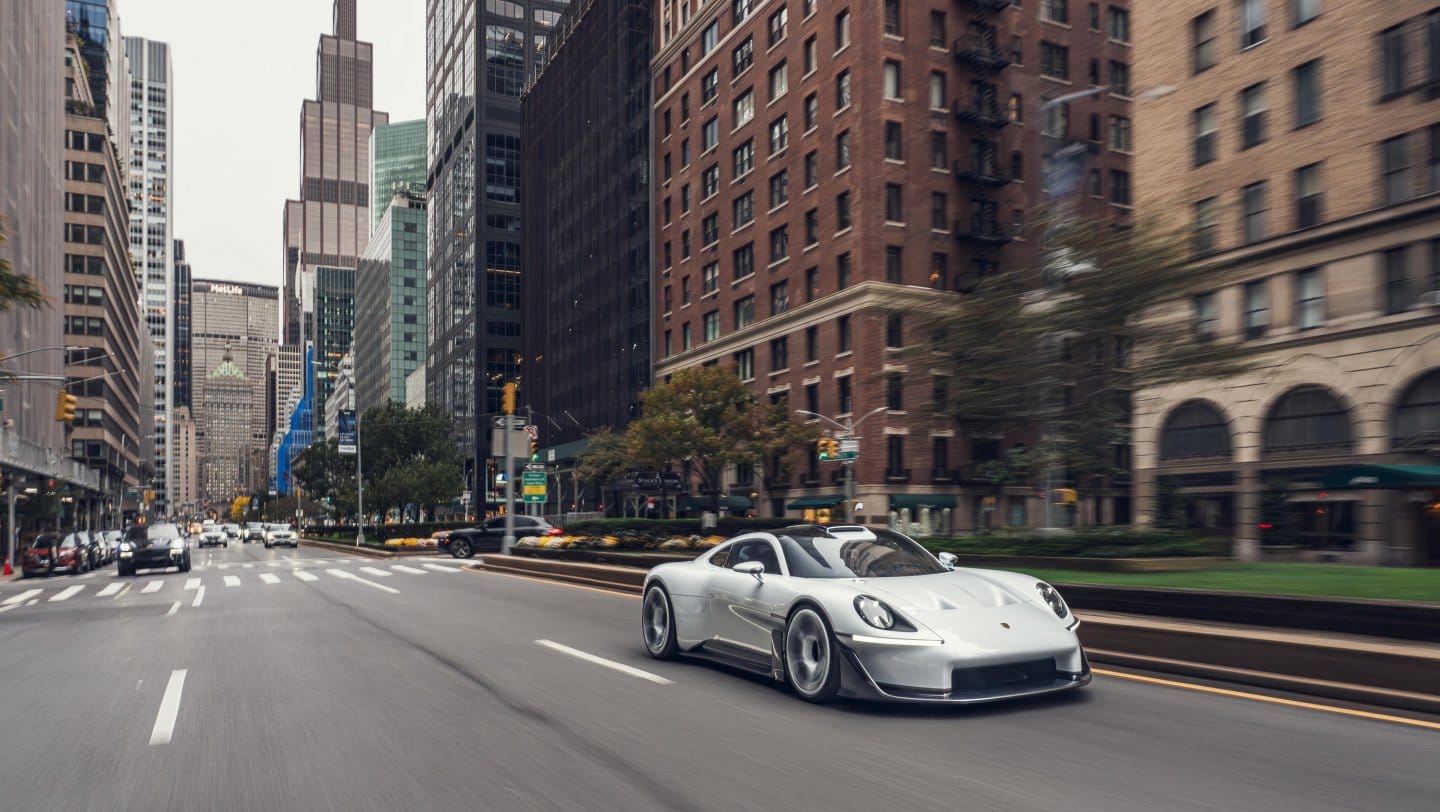
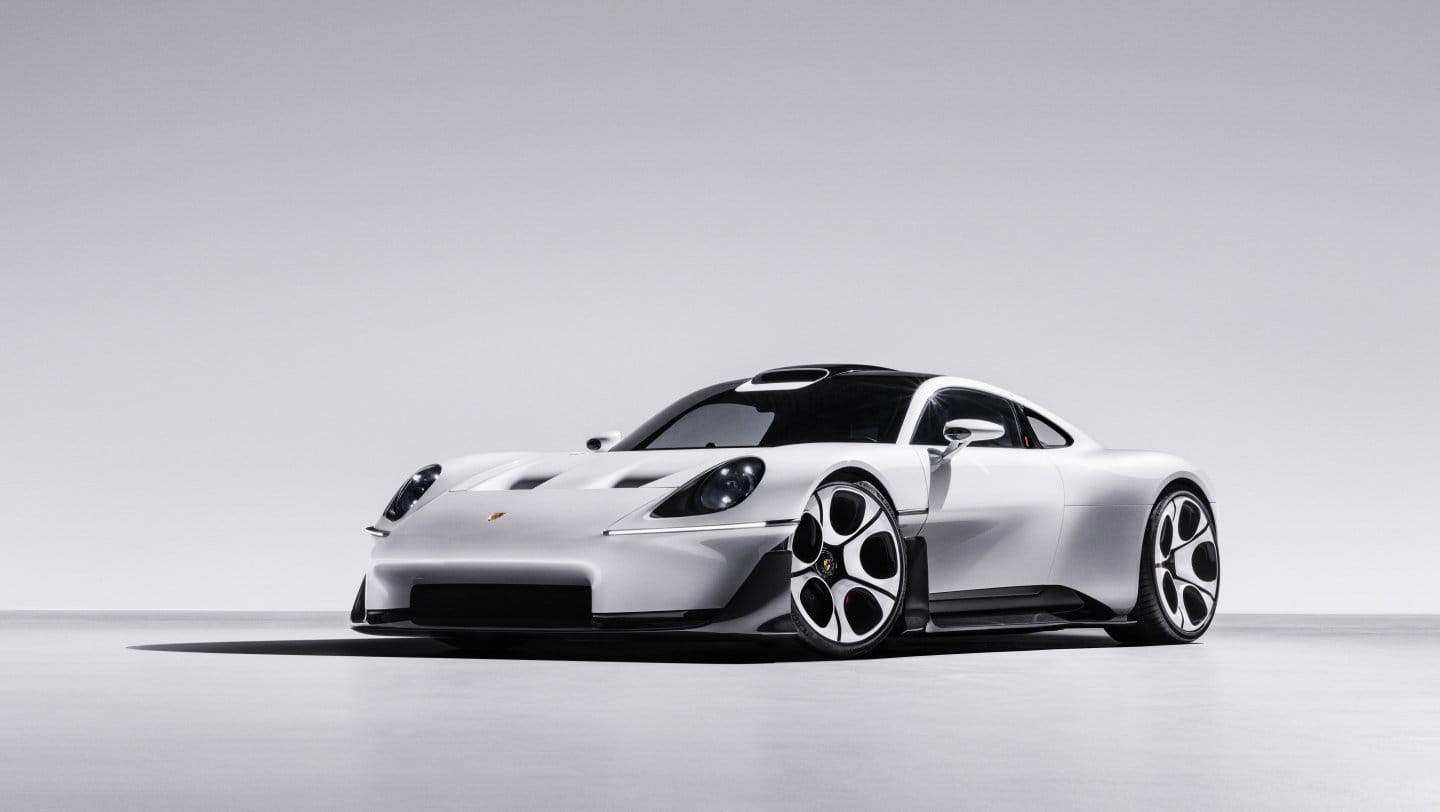
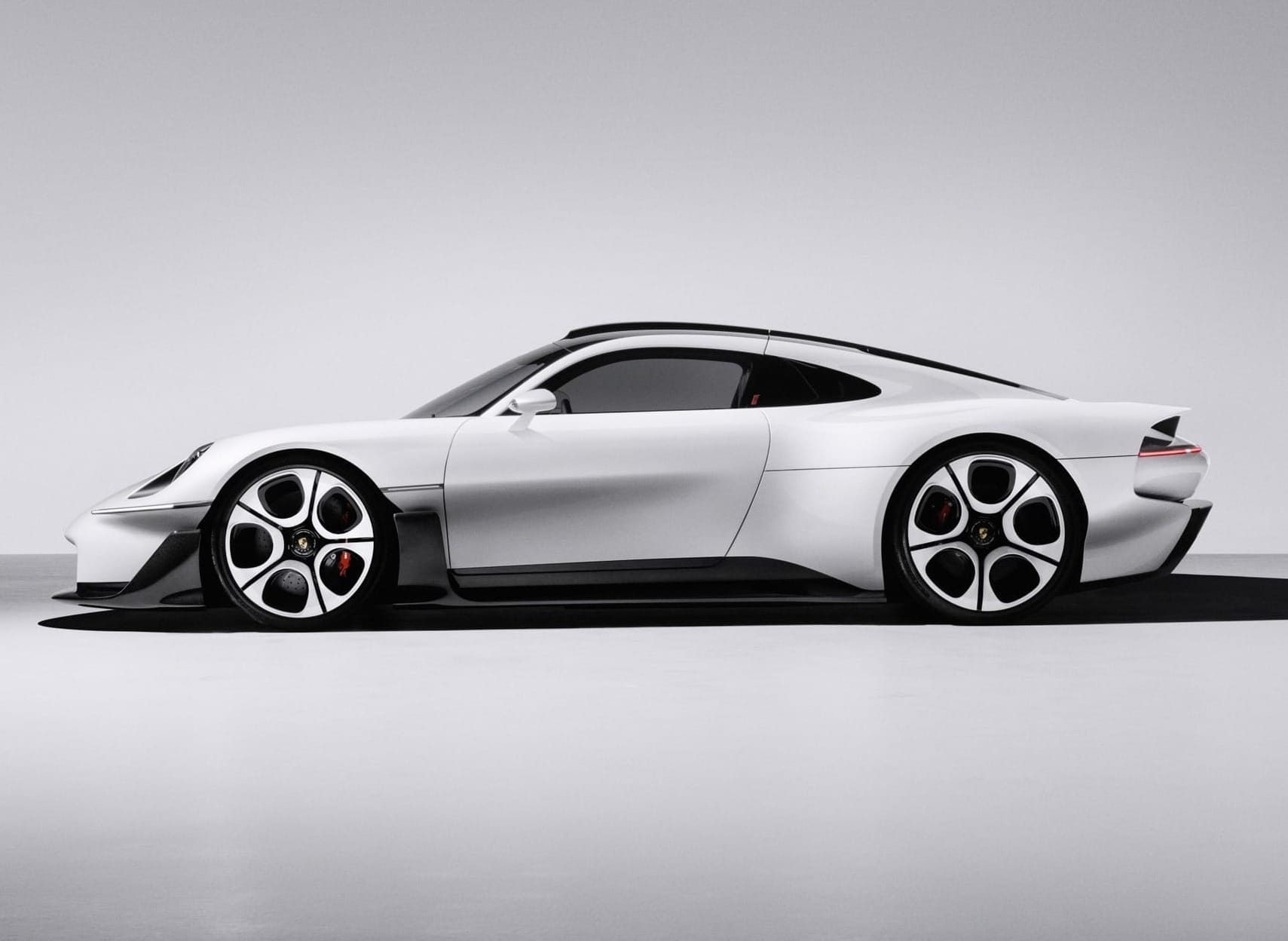
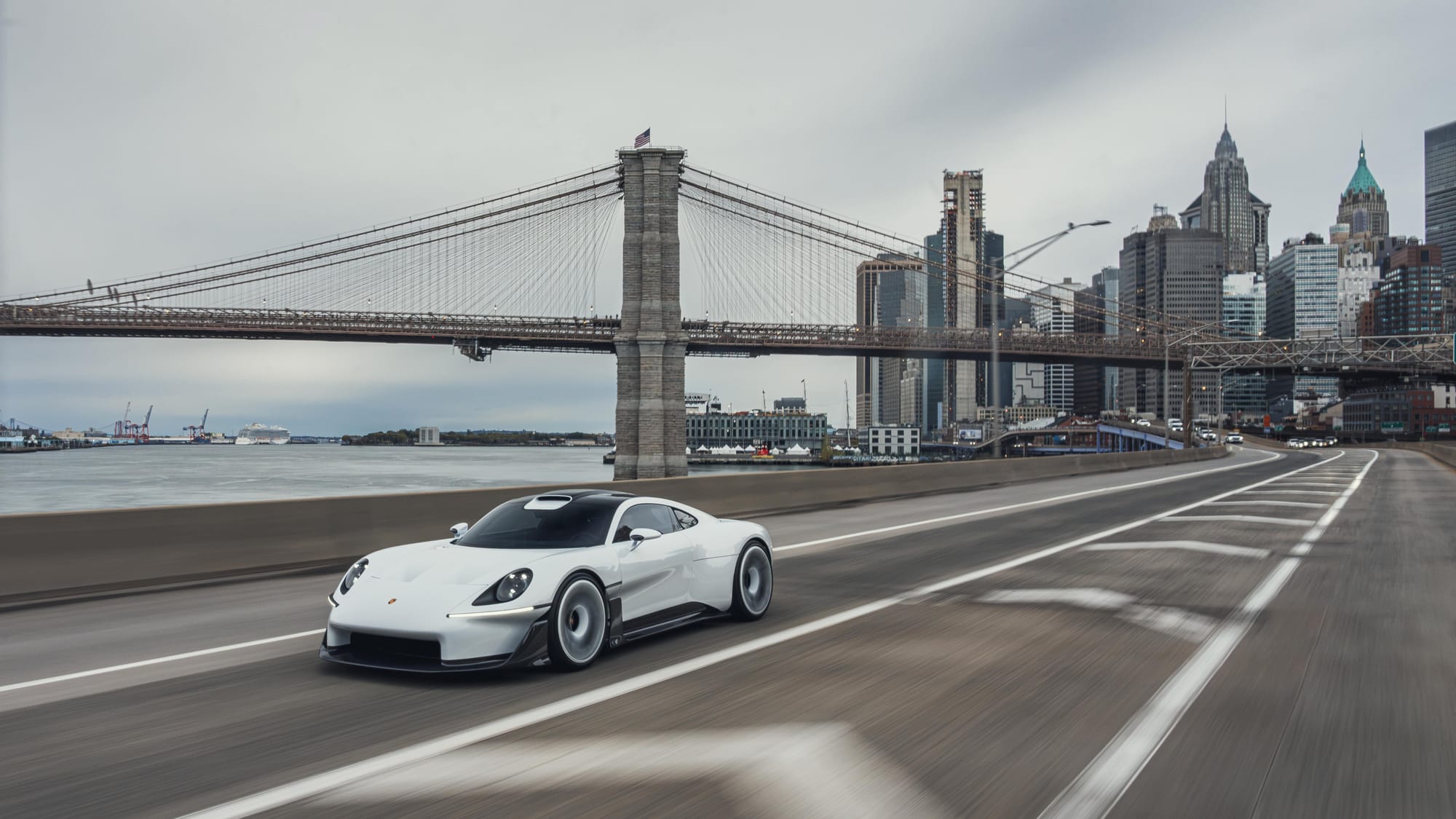
The Mission S is a concept car that previews the new mid-engine supercar Porsche is developing as its top model above the 911. The concept also shows the design direction future models will follow.
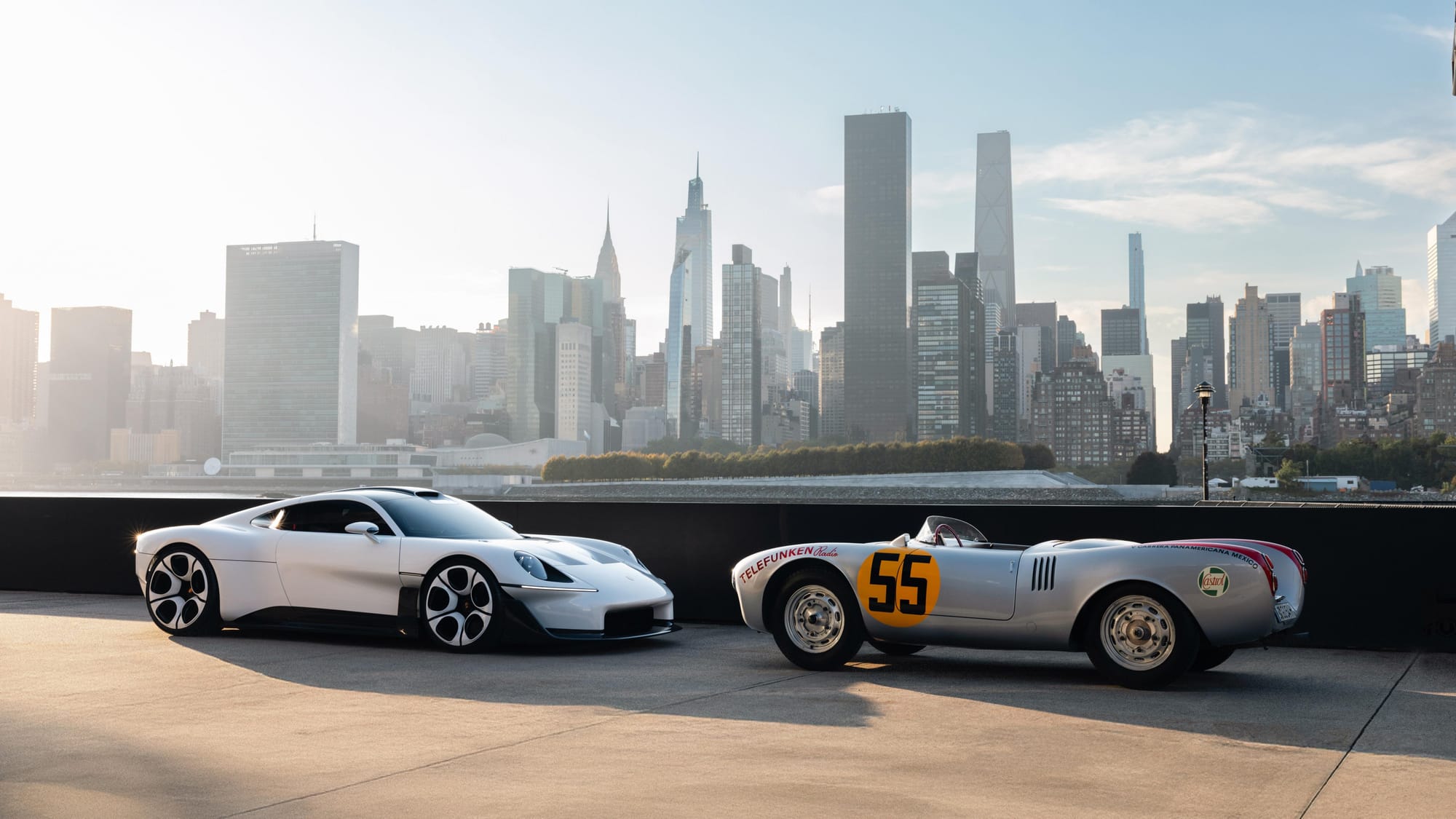
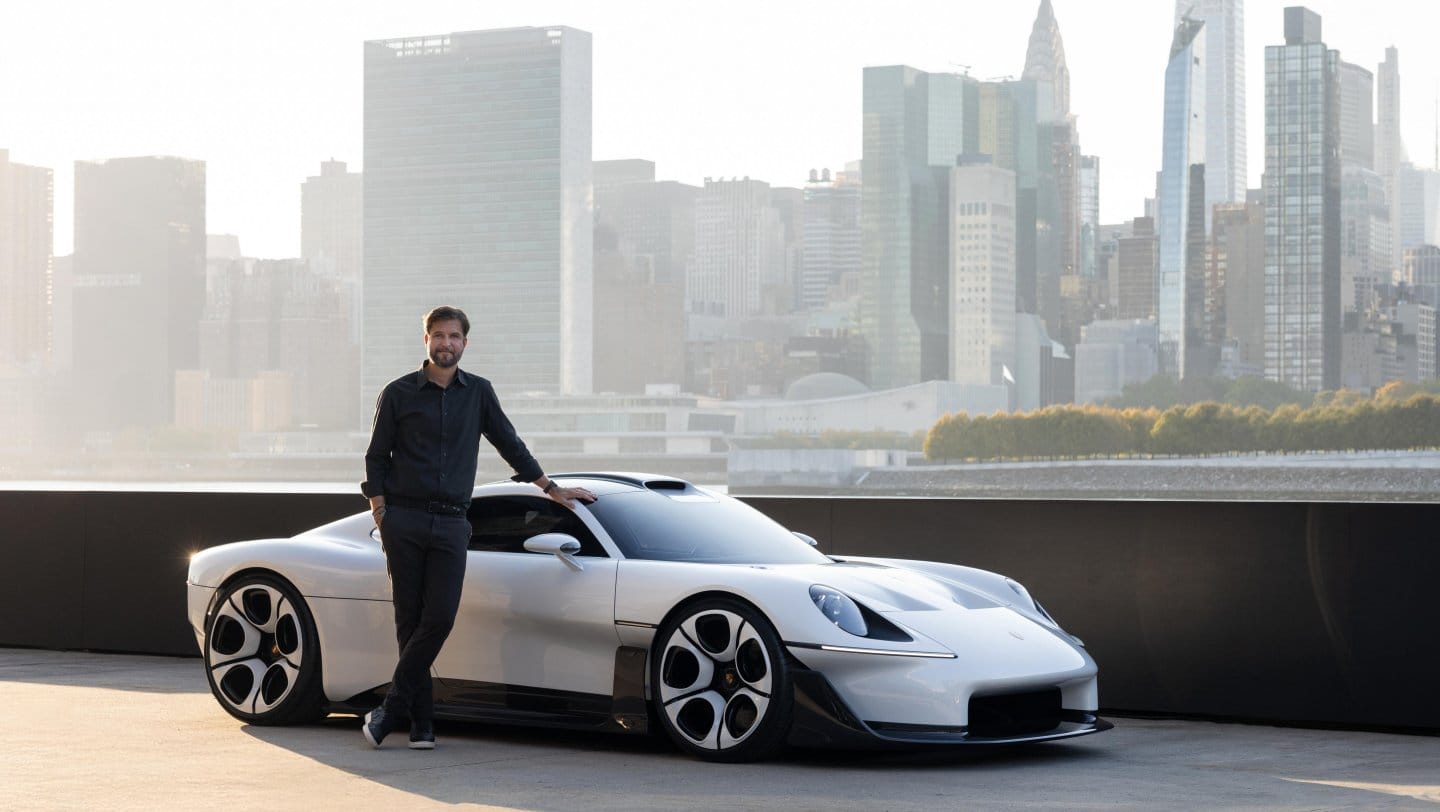
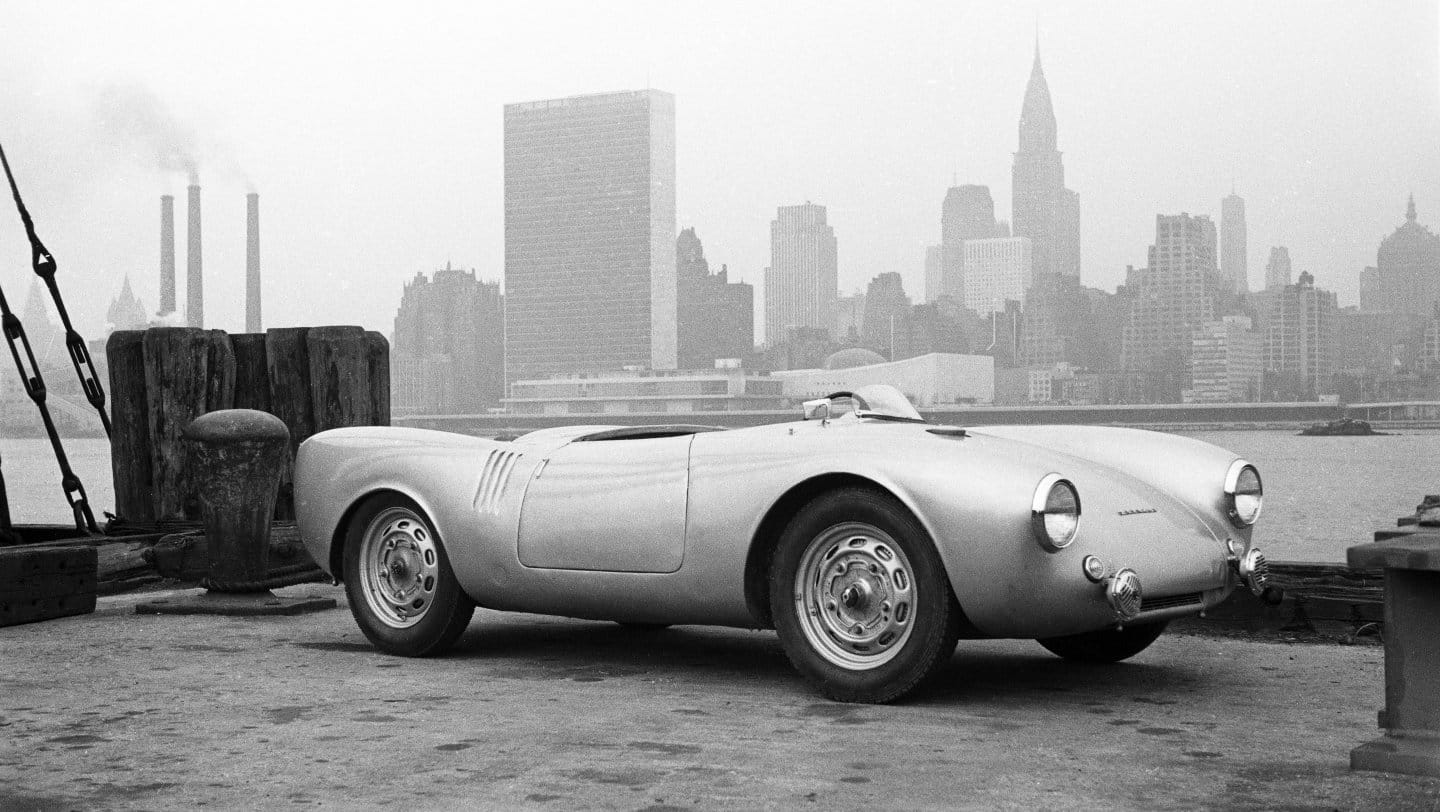
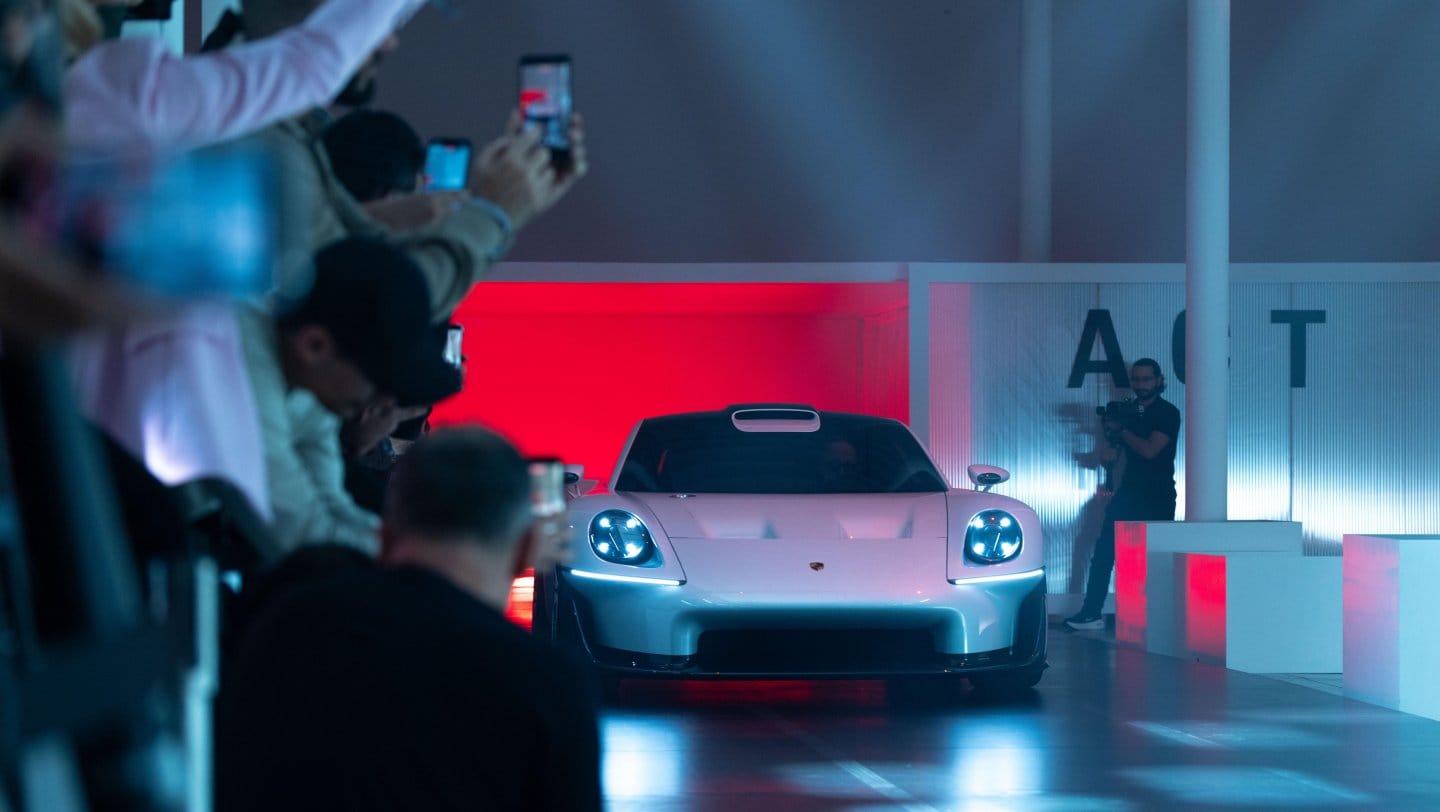
Porsche revealed the Mission S on October 15, 2026, on a pier along the East River in Queens, New York. The pier holds historical significance because Porsche took the first photos of the 550 Spyder there in 1953.
The Start of Porsche’s Supercar Story
The 550 Spyder was a mid-engine roadster and the first race car Porsche built from scratch, rather than modifying one of its road cars. The 550 Spyder won the first race it entered at Germany’s Nürburgring track in 1953 and went on to earn five class wins at the 24 Hours of Le Mans endurance race.
A Permanent Top-of-the-Line Porsche Supercar
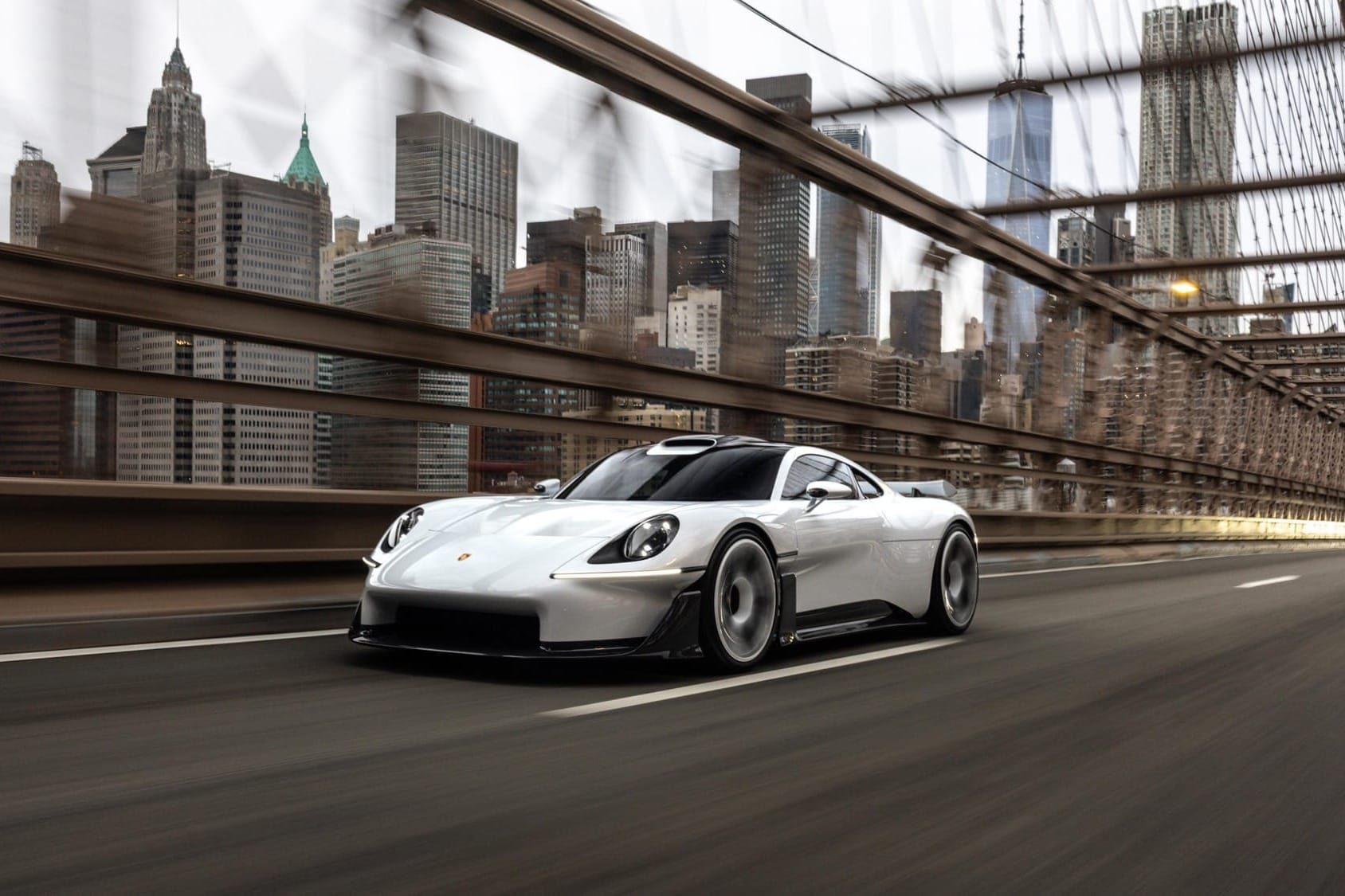
Porsche has built supercars above the 911 before with the 959, Carrera GT, and 918 Spyder, but all were limited runs. The production version of the Mission S will be the first Porsche sold permanently above the 911.
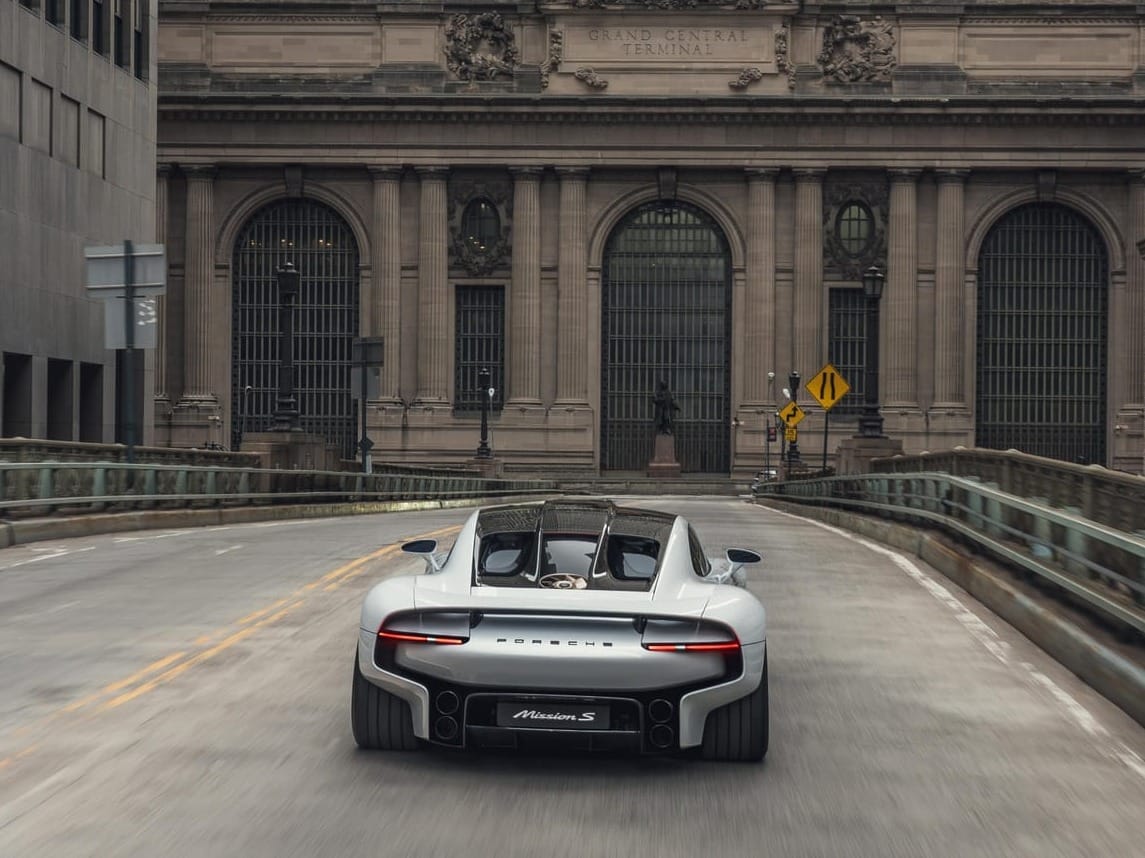
Mission S is part of the company's plan called Sportwagenschmiede ’35, which aims to cut model variants and focus on higher-end cars through 2035.
Design Inspired by Porsche Legends
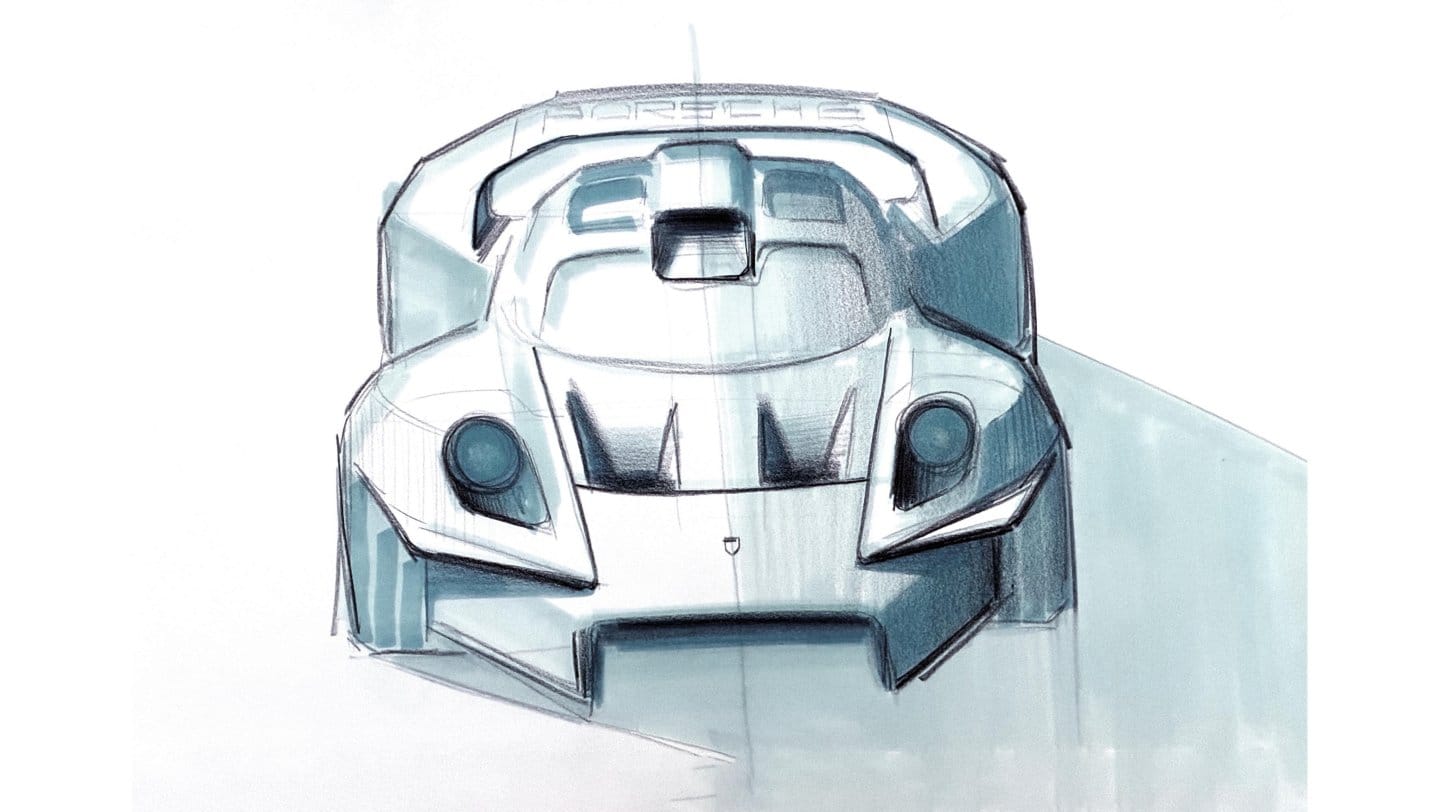
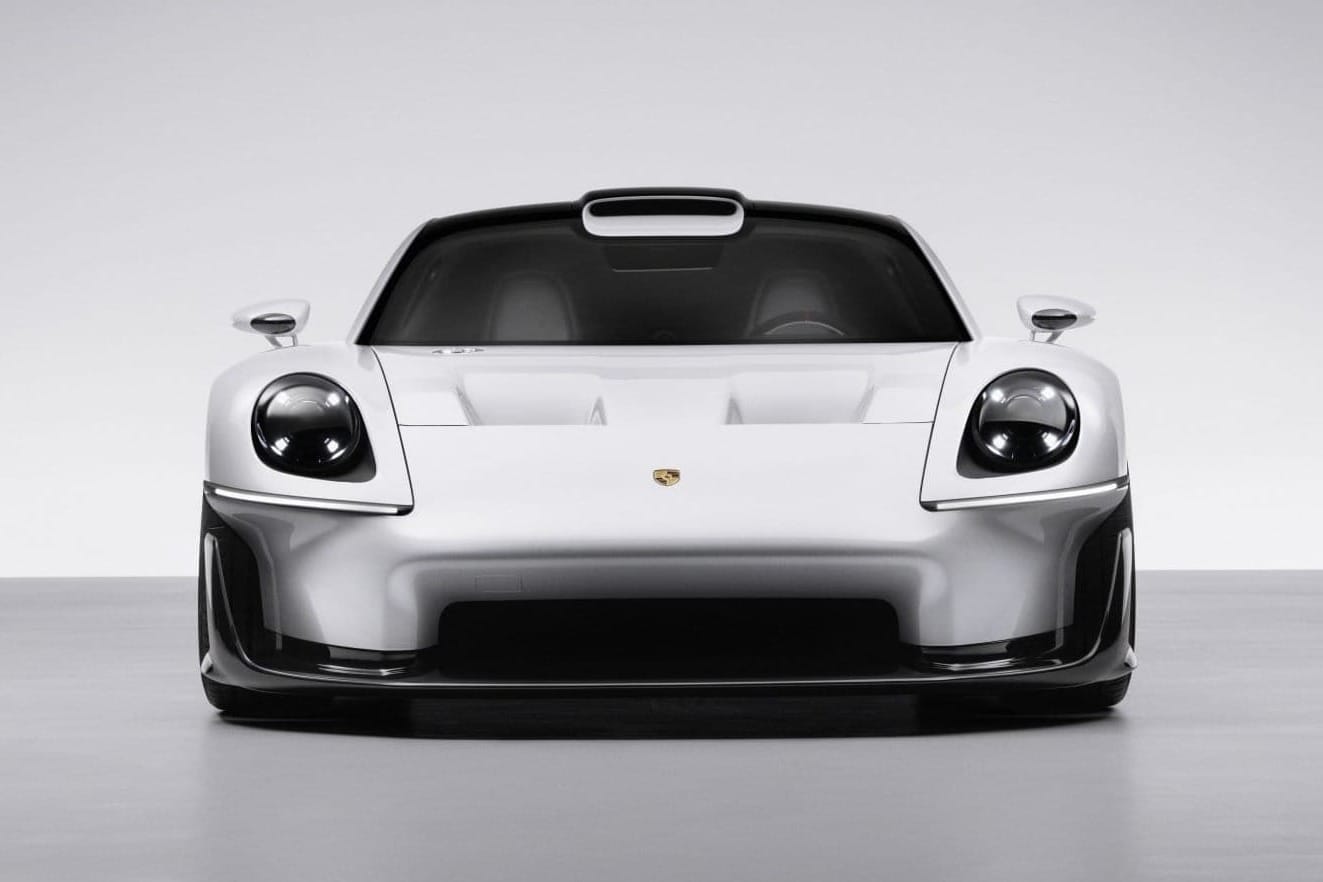
Porsche CEO Michael Leiters says a Porsche should be recognizable at first glance. With that goal in mind, the Mission S takes design features from the brand’s most famous cars and reworks them with a modern look. The round headlights and raised, rounded front fenders are inspired by the 911.
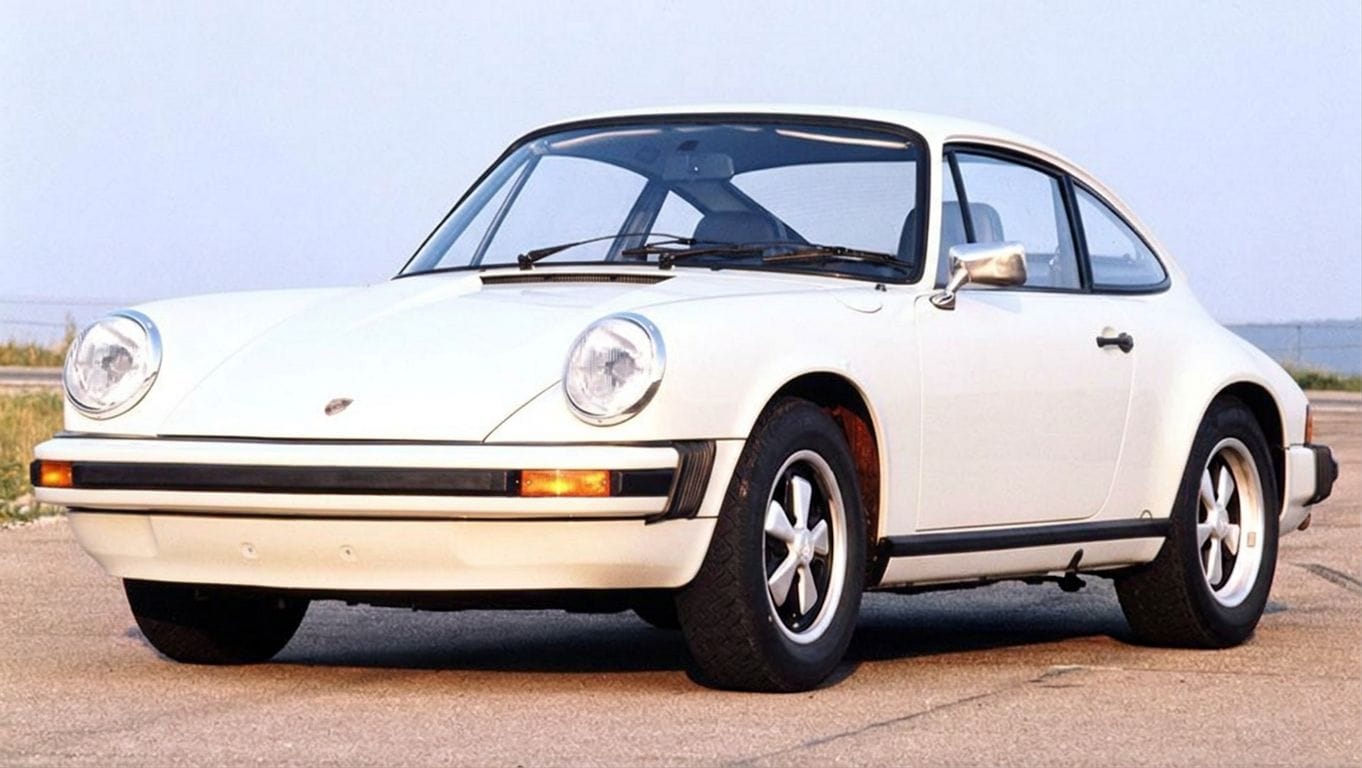
The seams around the hood merge into the shape of the lights as a nod to the second-generation G-model 911 that Porsche sold for model years 1974 through 1989.
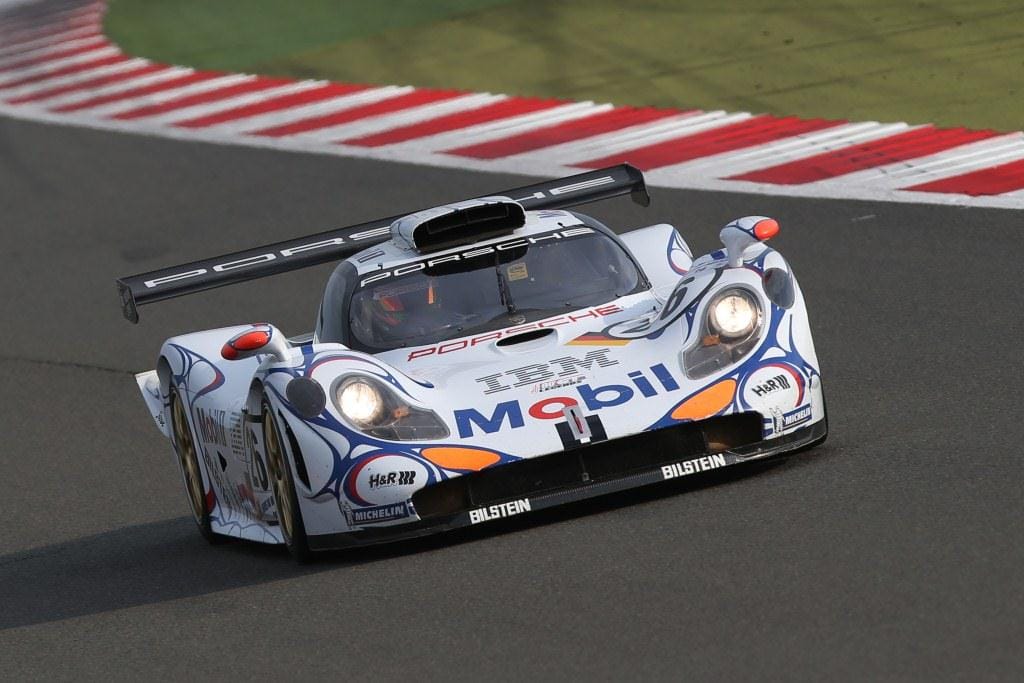
GT1 Race Car Design Cues
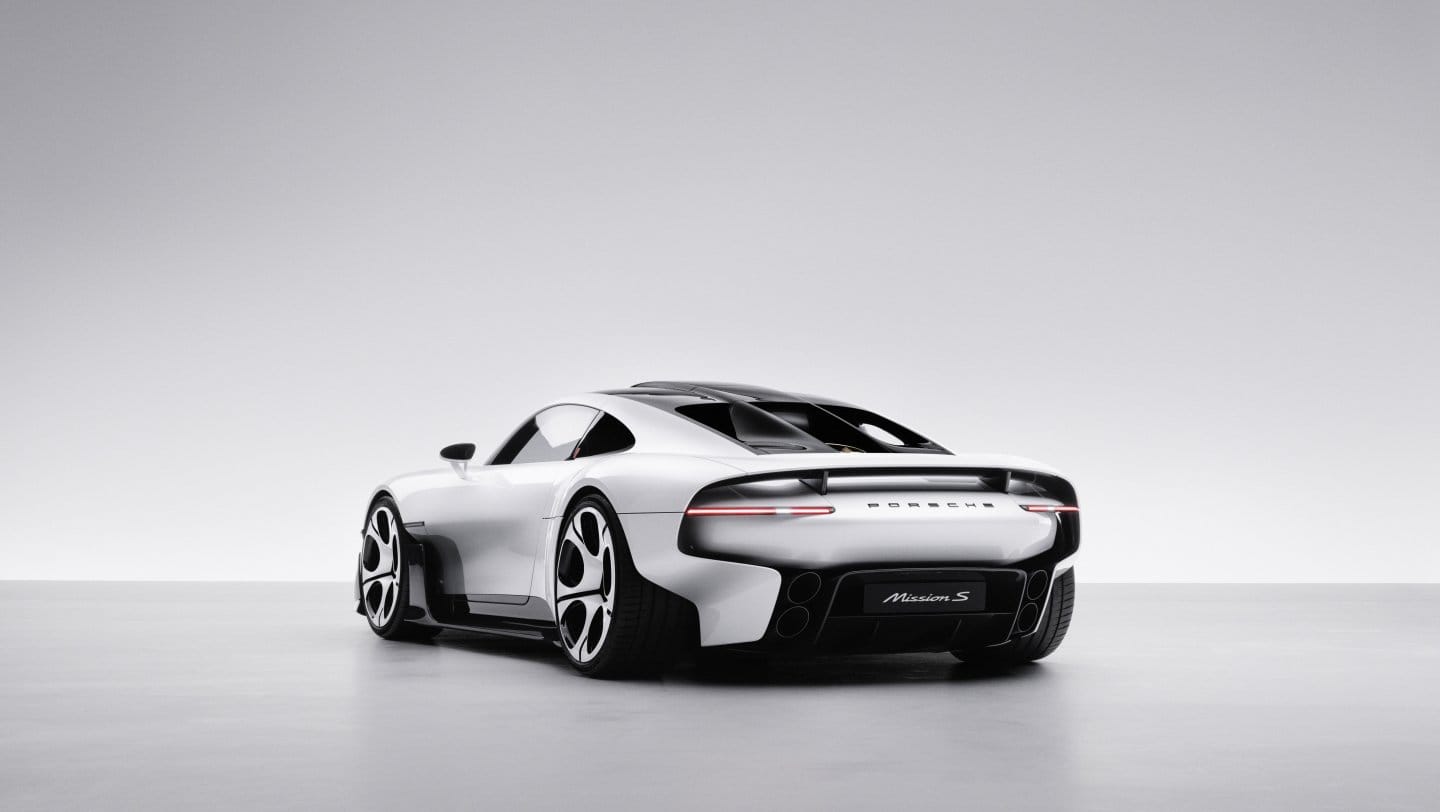
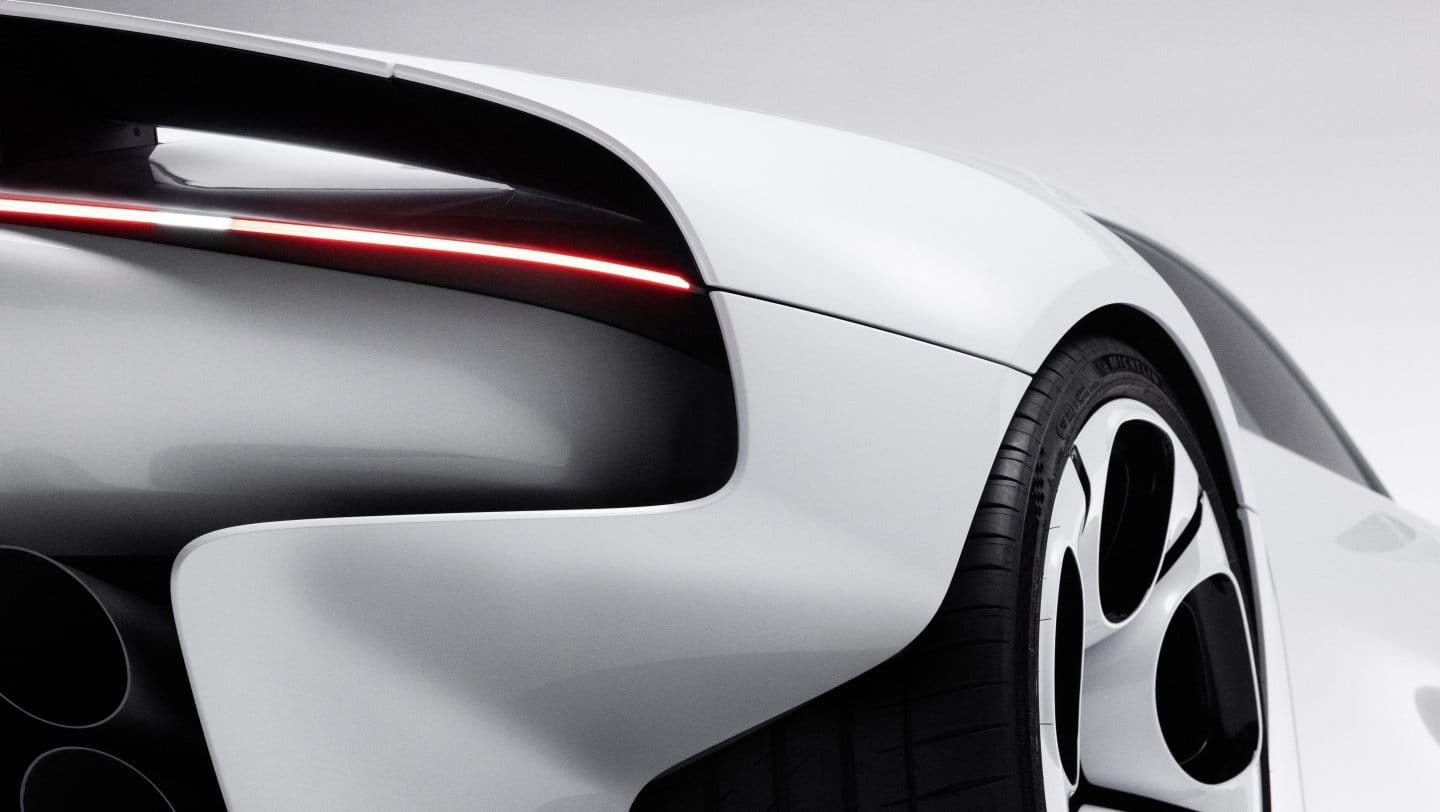
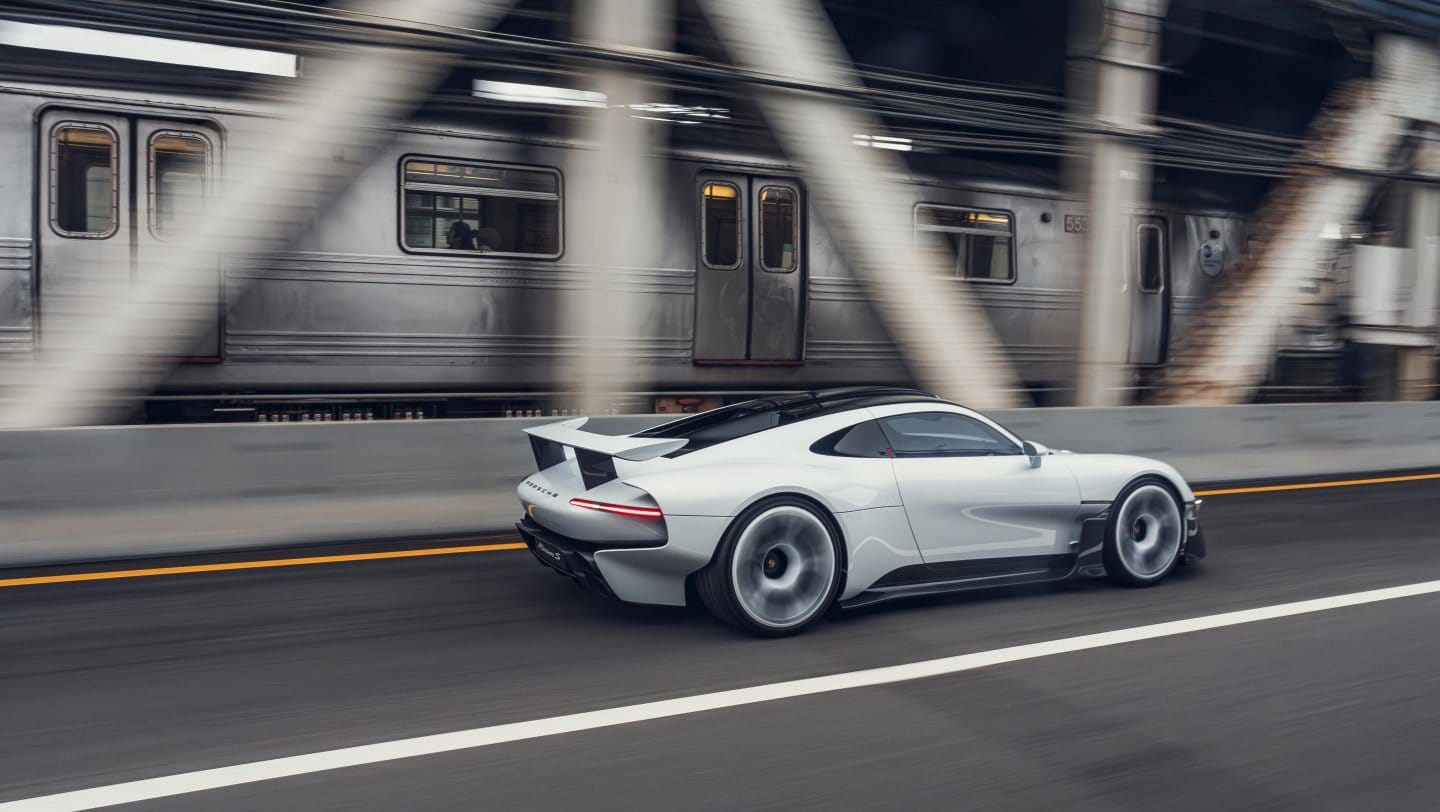
The flat front end is inspired by the 911 GT1 race car that won Le Mans overall in 1998. The rear also borrows the GT1’s car-in-car design. The outer bodywork wraps around a separate inner section that houses the engine, so it looks like one car sitting inside another.
Clean Lines and Racing Colors
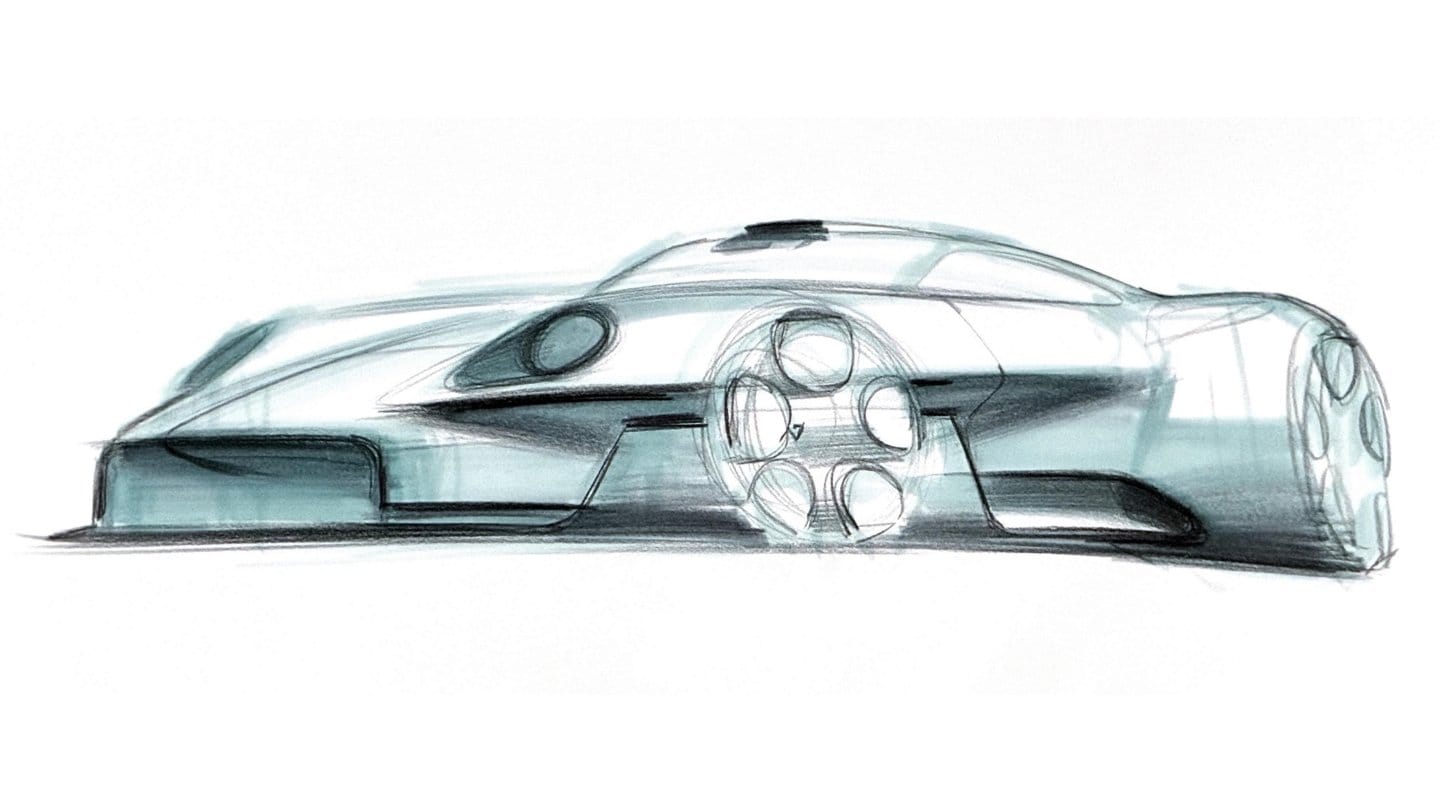
A single body line wraps around the entire Mission S, visually tying the headlights to the taillights. Porsche also developed three new colors for the show car called Firn White Metallic, Light Red Metallic, and Black Chrome. All three colors are inspired by Porsche’s classic racing cars.
959 Roofline and 917-Style Engine Fan
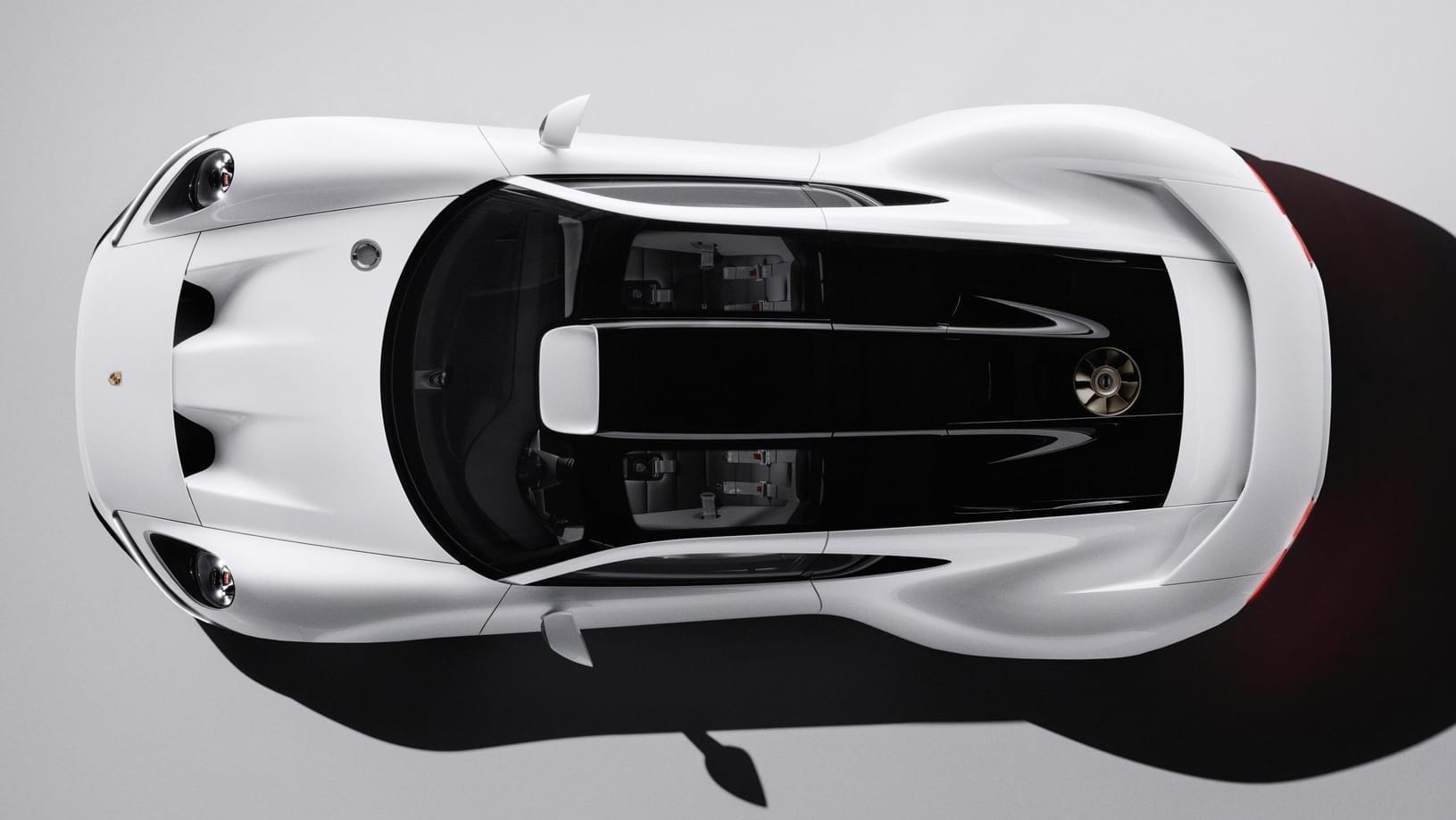
The mid-engine layout gives the Mission S a low, sloping roofline that runs under the rear wing, which is a shape taken from the 959. Engine cooling is based on the radiator fan of the 917 race car, which gave Porsche its first overall Le Mans win in 1970. The active rear wing is built right into the body.
928-Inspired Phone-Dial Wheels
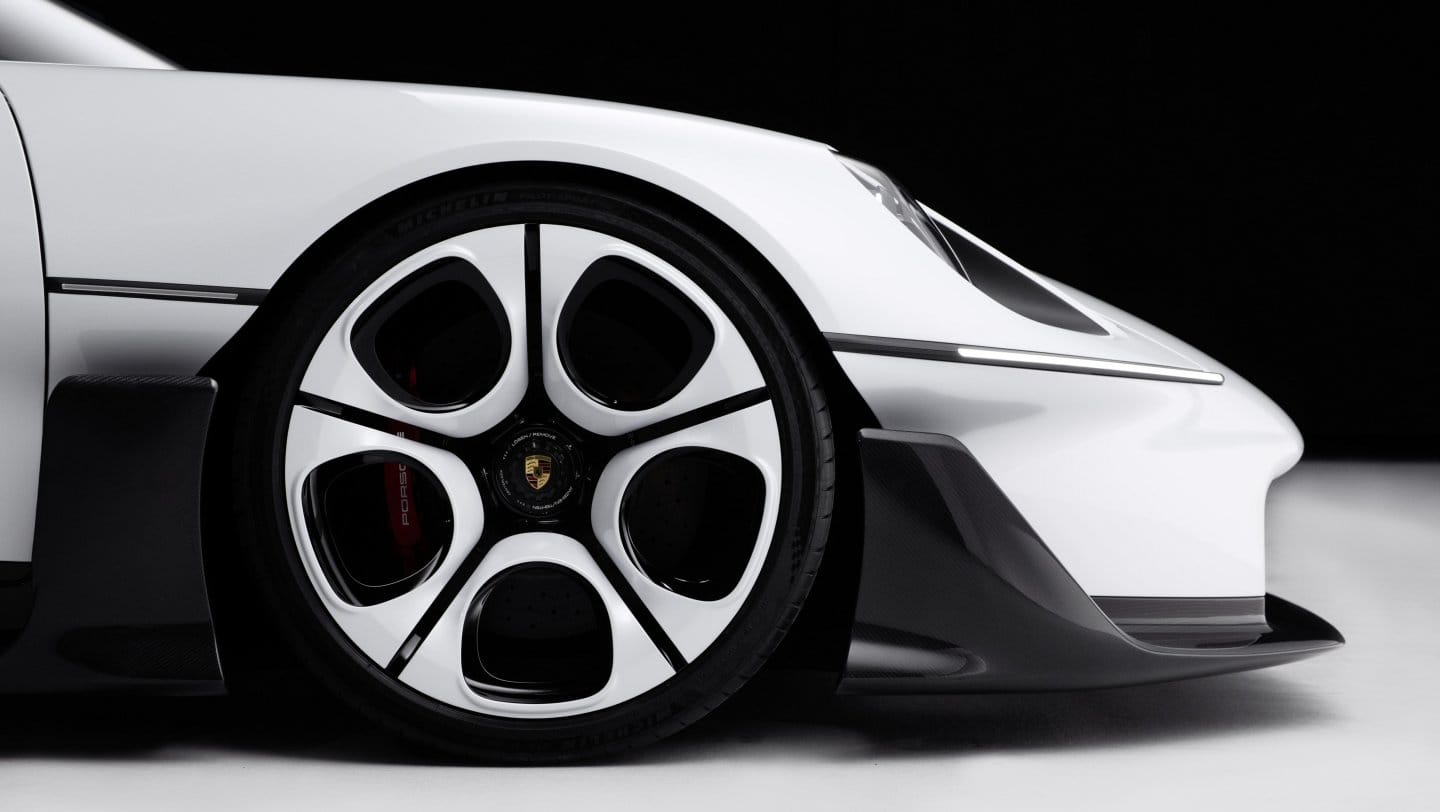
The wheels update the phone-dial design of the 928 grand tourer with a focus on weight reduction. Porsche calls the wheels one of the concept’s standout details and says they add to the car’s bold overall stance.
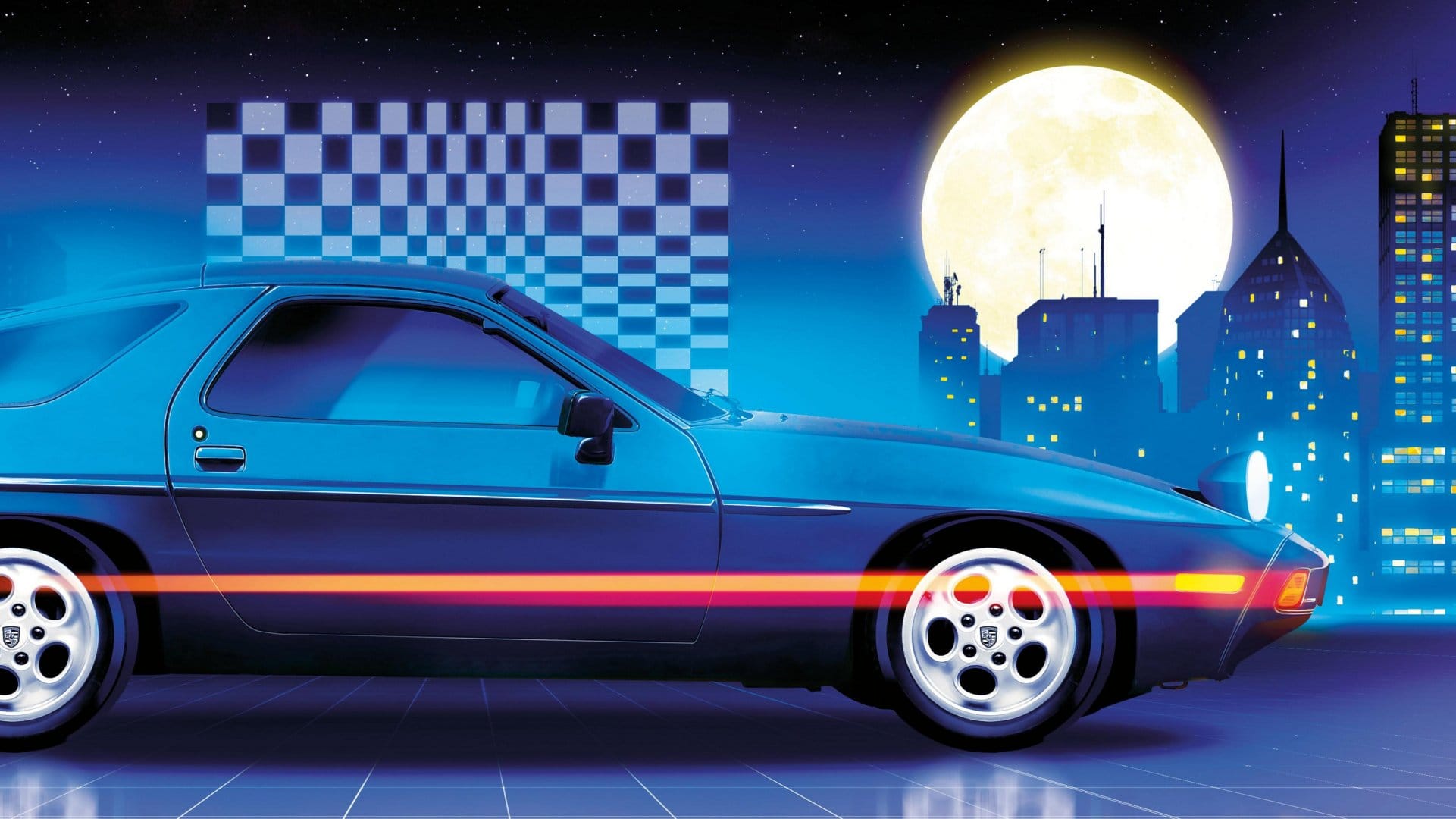
The original 928 wheels got the phone-dial name from their ring of round holes, which looked like an old rotary phone dial. The 928 debuted in 1977 and remains the only sports car to win European Car of the Year.
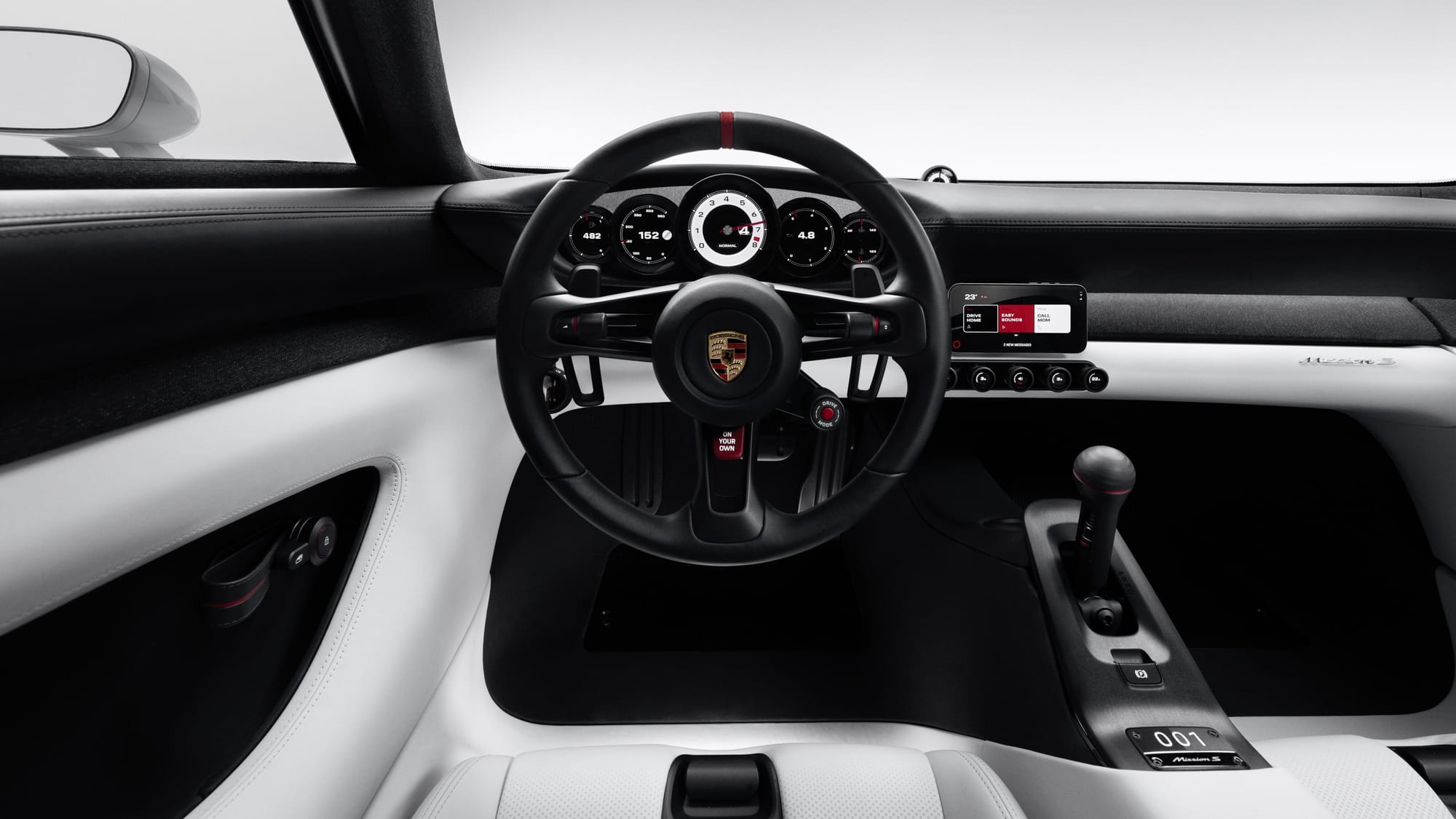
No Center Touchscreen, Use Your Phone Instead
Porsche left out a built-in center screen and passenger display to keep the focus on driving. Instead, a retractable phone mount works with MagSafe magnetic attachments, so the driver’s phone can act as the navigation or info screen. The My Porsche app runs the car’s functions and lets owners pick historically inspired gauge designs.
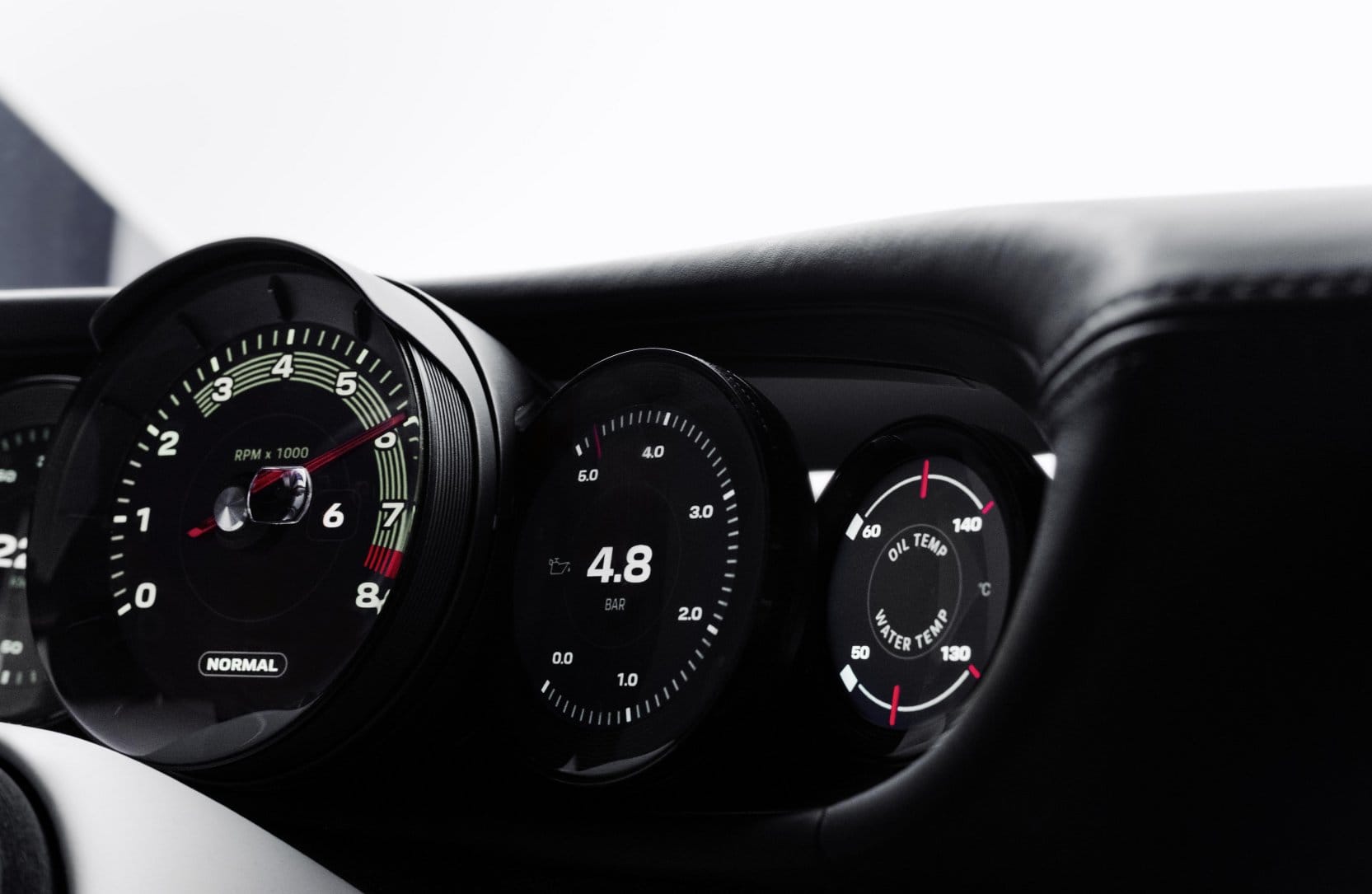
Gauges That Move Toward the Driver
Five round gauges sit behind the steering wheel, with an analog tachometer needle in the center and a display behind it. Changing drive modes can pull the tach closer to the driver and rearrange the gauges either side by side or stacked front to back.
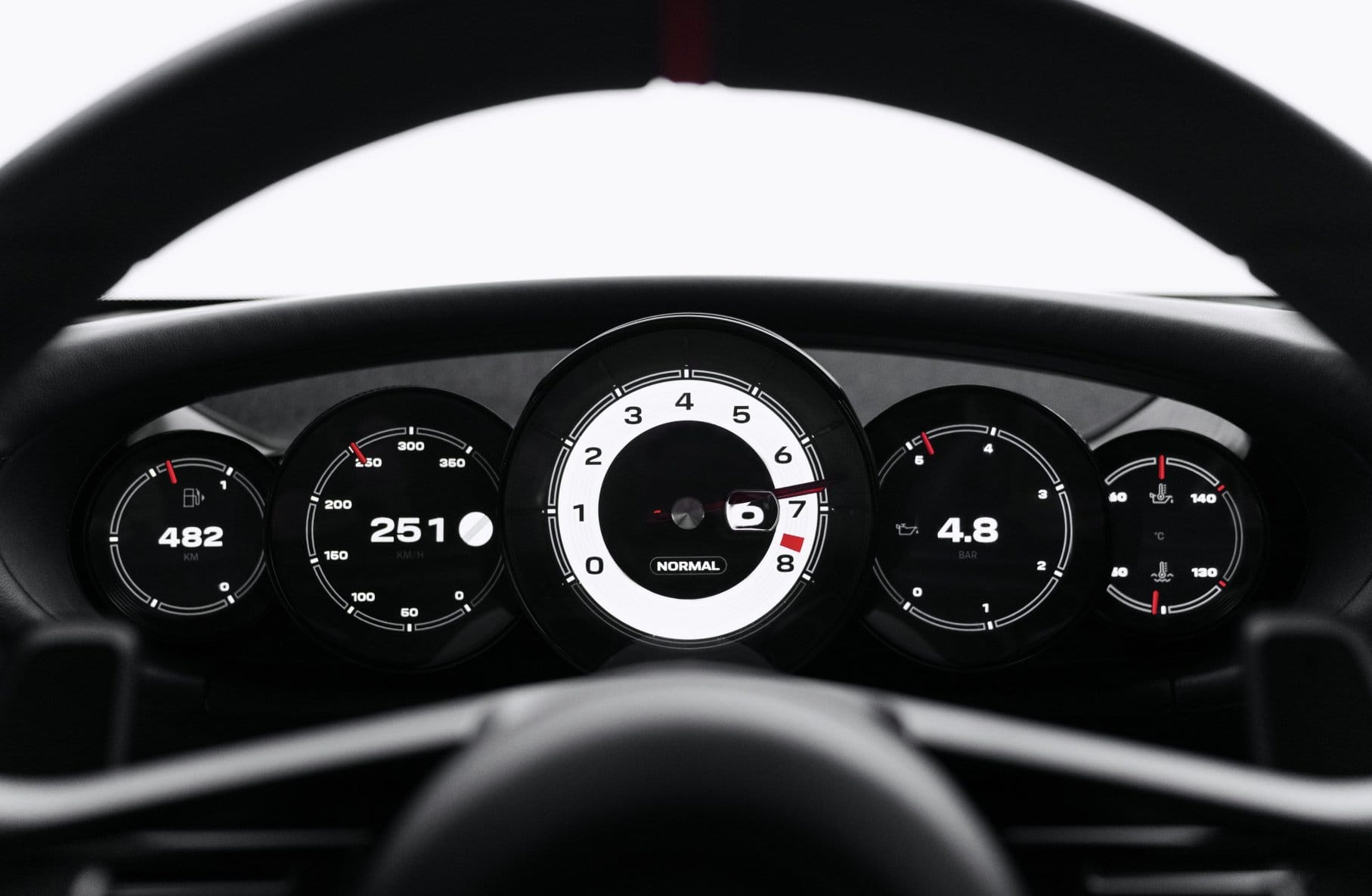
The key sits to the left of the steering wheel in Porsche tradition. New push-pull switches on the dash give direct access to comfort and driving functions. The dash-mounted Sport Chrono stopwatch also gets a reimagined design that blends an analog look with digital precision.
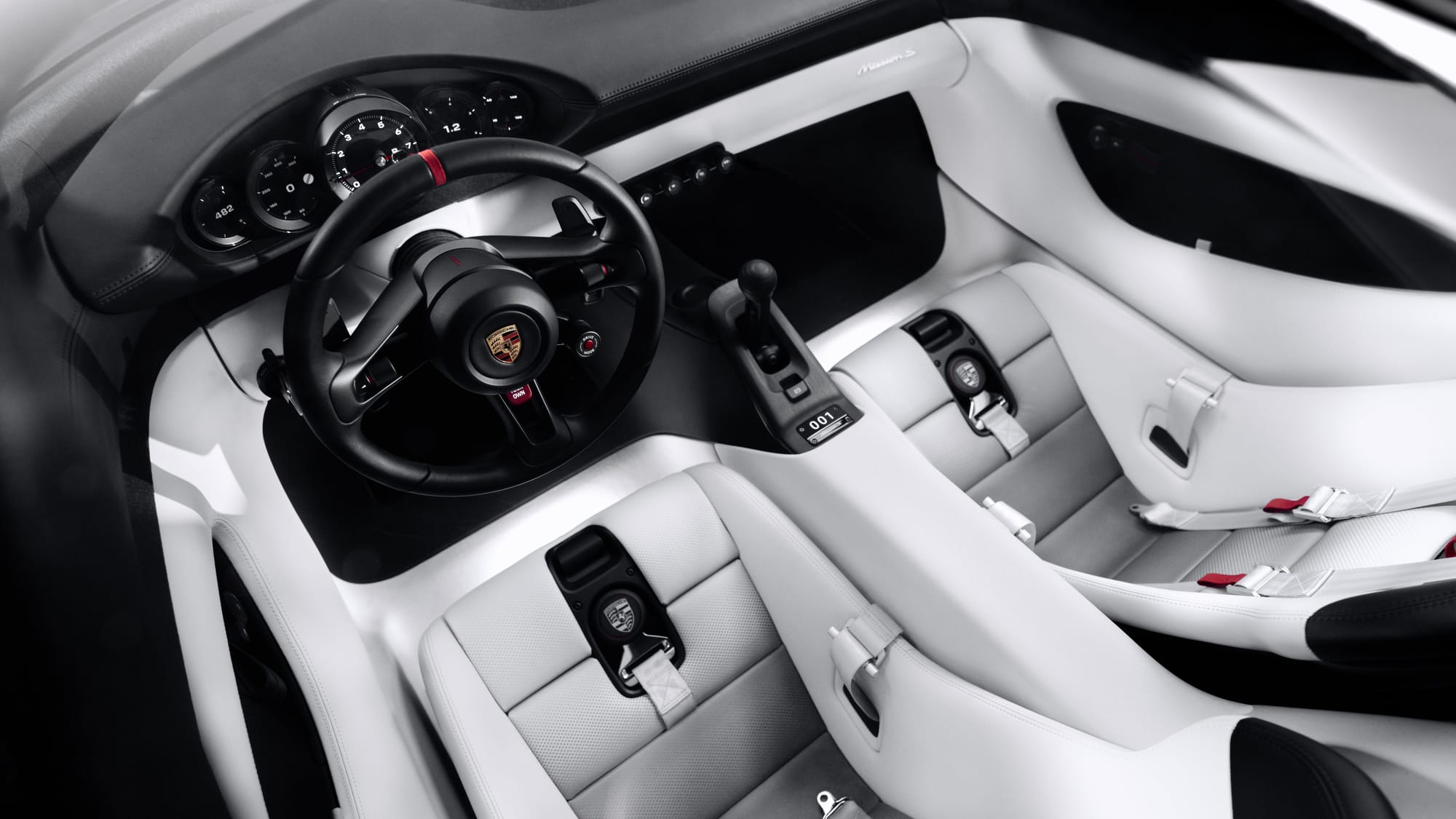
A Cabin Inspired by the 550 Spyder and 356
Two interior lines run across the dashboard and into the doors so the driver feels seated deep inside the car. The cabin layout borrows from early Porsche sports cars like the 550 Spyder and 356. The seats add a seatbelt buckle in the center panel and relocated power controls.
Performance Specs TBD
Porsche didn’t share horsepower or performance numbers when it revealed the Mission S. To sit above the 911, the production car will likely need to outperform the 2026 911 Turbo S.
The Turbo S makes 701 hp, hits 60 mph in 2.4 seconds, and tops out at 200 mph. The 918 Spyder was Porsche’s last supercar above the 911, making 887 hp, hitting 60 mph in as little as 2.5 seconds, and reaching a top speed of 214 mph.
The new platform can take a pure gas engine, a hybrid, or a plug-in hybrid, and Porsche CEO Michael Leiters ruled out an all-electric version. German business newspaper Handelsblatt reported the production car will use a flat-eight engine, which would make it the first production Porsche with one.