
Data Shows Link Between Mental Health and Driving


Research by audio tech company DTS shows 46% of drivers see their car as a “third space” to relax and escape stress, and 29% have driven with no destination just to clear their head. A separate Talker Research survey of 2,000 U.S. car owners found 27% use drive time to think about life and plan for the future, and 21% use it to process work and big events.

Does Losing the Ability to Drive Affect Mental Health?
Older adults who stop driving have nearly double the risk of depressive symptoms and see a 51% drop in the size of their social circle, according to a Columbia University study on older drivers. A separate University of Rochester study of more than 3,000 older drivers found that giving up driving is tied to a higher risk of anxiety symptoms.

How Common Is Driving Anxiety?
Very common. About 66% of Americans experience driving anxiety, according to a YouGov survey of 1,500 U.S. adults conducted for insurance comparison site The Zebra. 75% of women reported driving anxiety, compared with 55% of men. Merging onto the highway was the top trigger, named by 26% of anxious drivers. The survey also found that 62% of Americans have been through a traumatic driving experience.

Teens With Mood Disorders Are 30% Less Likely to Get a License
Teens and young adults with mood disorders like depression and bipolar disorder are 30% less likely to get a driver’s license than their peers, according to a Children’s Hospital of Philadelphia study published in JAMA Network Open.

About 1 in 3 high school students reported persistent sadness or hopelessness in the CDC’s 2025 Youth Risk Behavior Survey, and experts say mental health is a big reason teens are putting off getting behind the wheel. Getting a license is tied to independence, confidence, and access to opportunity. Putting it off delays all three.

Does Work Commute Affect Your Mental Health?
Research featured in Scientific American found a daily commute gives people time to mentally shift gears between work and home. But for workers juggling a lot in their personal lives and on the job, a 2025 study of 568 Americans found commutes longer than 44 minutes were linked to more symptoms of anxiety and depression.
Does Depression Raise Crash Risk?
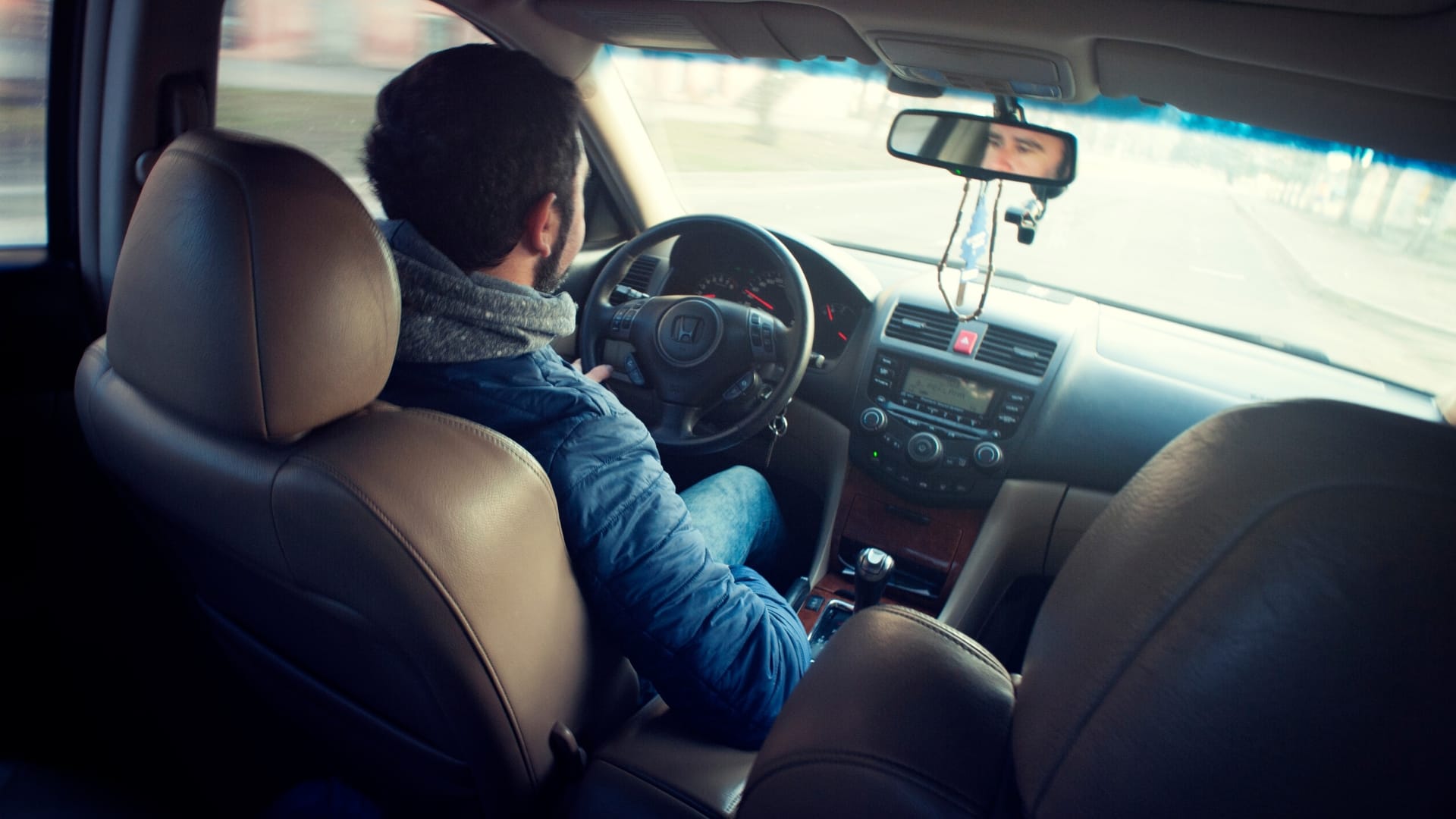
Depression nearly doubles a driver’s crash risk, according to a review of 19 studies published in Injury Epidemiology. A Children’s Hospital of Philadelphia study published in JAMA Network Open found young drivers with mood disorders like depression and bipolar disorder had a 16% higher crash rate than their peers during their first year of driving. Four years after getting licensed, their crash rate was still 19% higher.

Keep On Driving
Driving gives you independence, a place to clear your head, and a way to stay connected to the people who matter. Treat your mental health like regular maintenance, because it keeps you safer on the road too. If you’re struggling, talk to a mental health professional or call or text 988 to reach the Suicide & Crisis Lifeline at any time.