Car Insurance Premiums Are Up Nearly 50% Since 2020

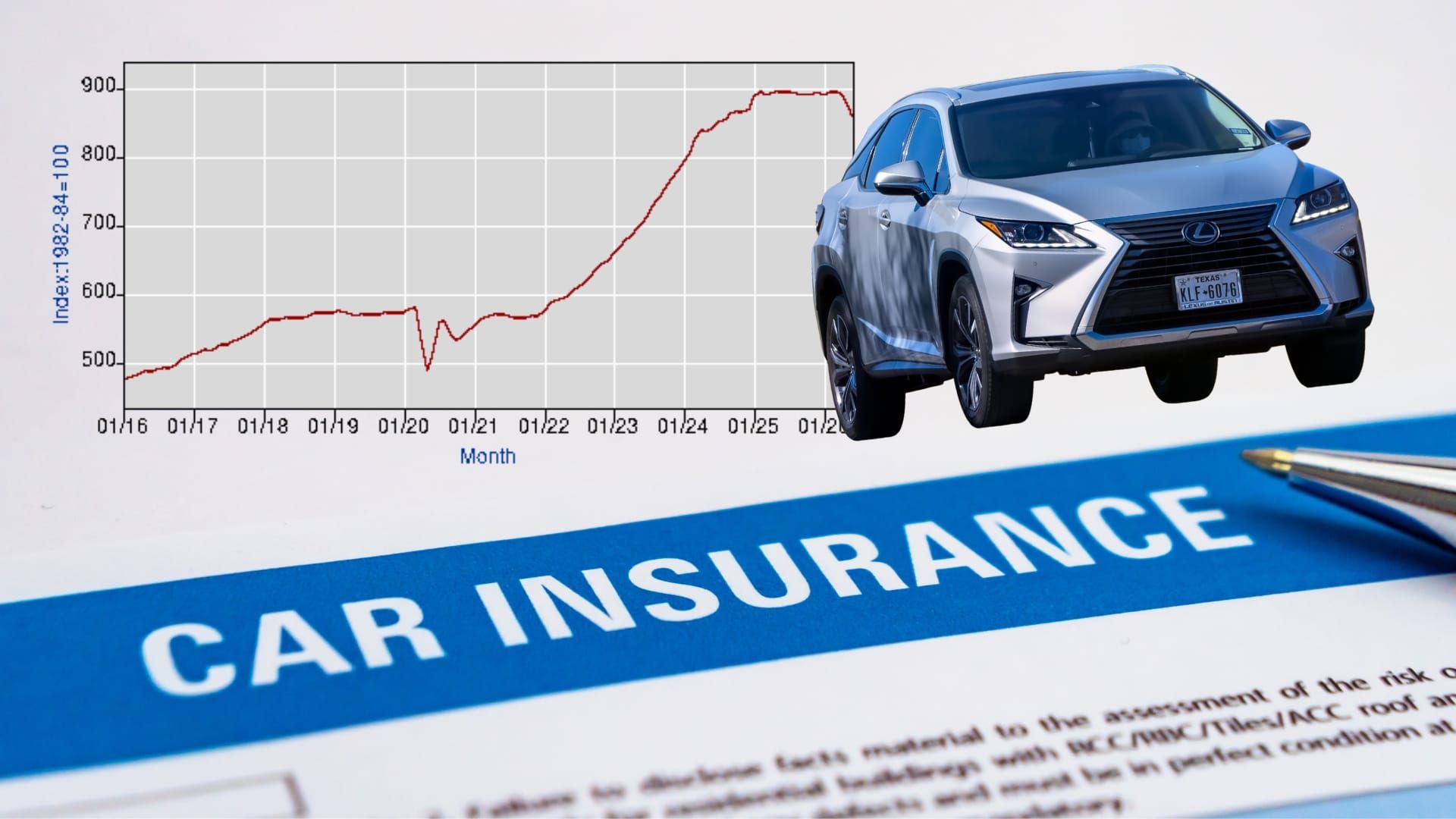
Car insurance premiums have risen roughly 50% nationwide since 2020, according to Bureau of Labor Statistics (BLS) data. The increase has been driven mainly by rising vehicle repair costs, higher prices for replacement parts, and a rise in serious accident claims. BLS tracks insurance costs through its Consumer Price Index, a standard government measure of price changes over time.
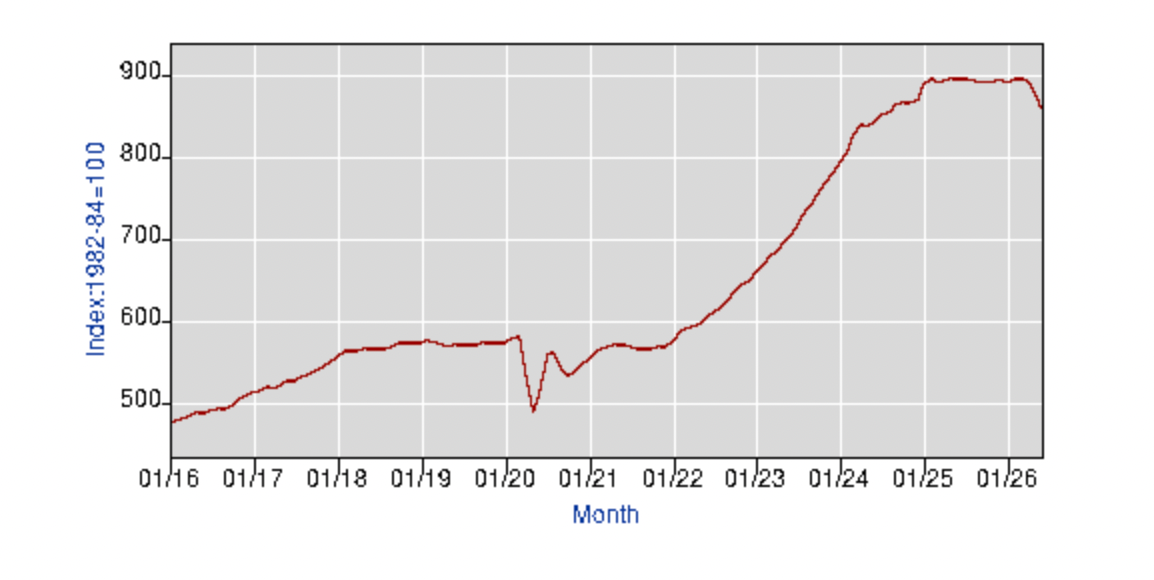
Premiums dropped more than 15% between January and May of 2020 as fewer people drove and insurers issued refunds, before rebounding through the summer. Rates did not start climbing sharply until 2022. From 2022 to 2024, premiums rose in nearly every month, the steepest sustained run in the index's history.

Why Are Car Insurance Rates Rising?
Several factors have pushed claim costs higher across the industry. Modern vehicles carry more sensors, cameras, and computerized components, which makes even minor collision repairs more expensive.
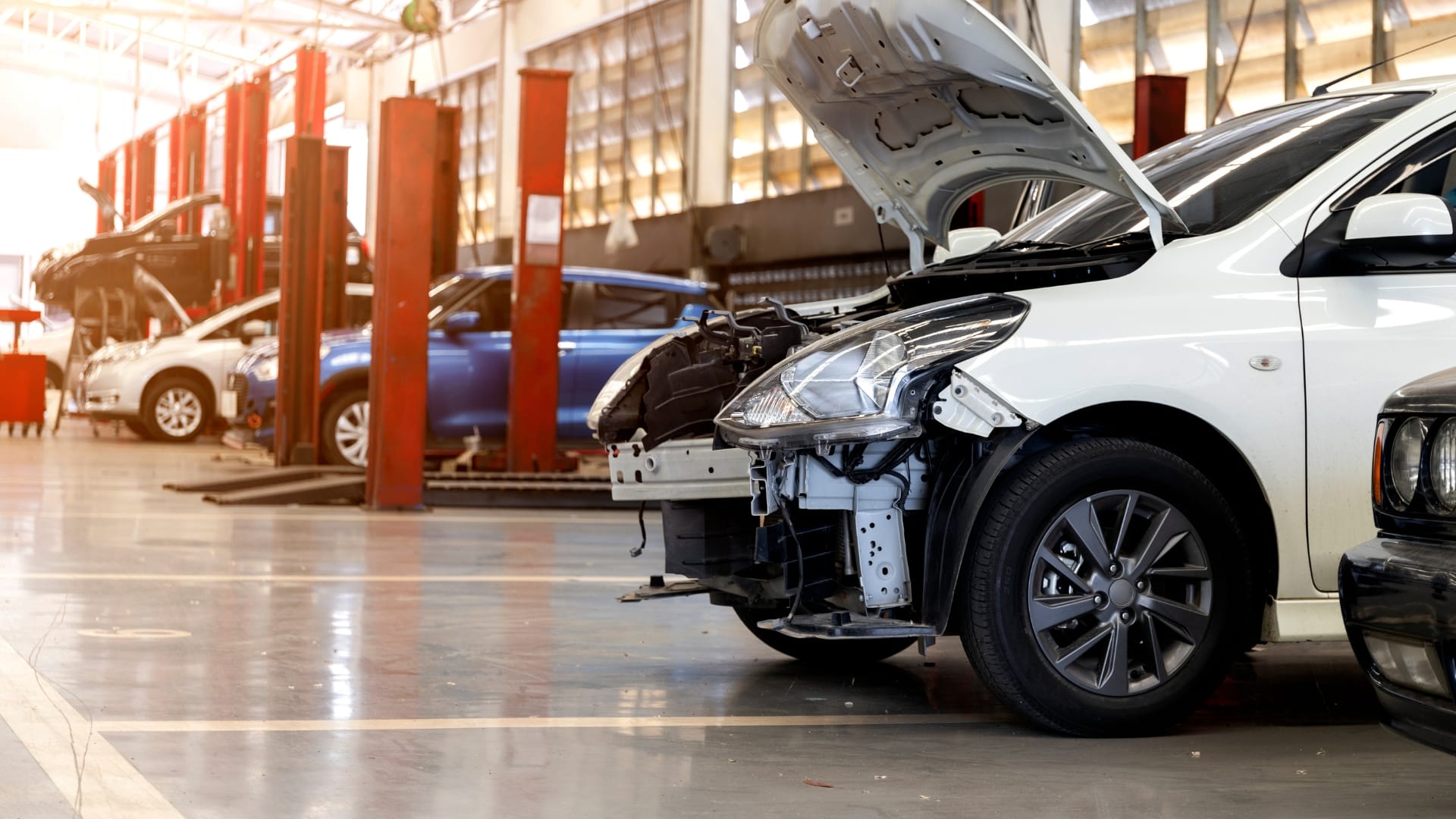
Labor shortages at repair shops have added to the cost. Vehicle theft has also risen in many areas, and severe weather events like hail and flooding have driven up comprehensive claims.
 Very Driver
At the same time, accident severity has increased, leading to larger claim payouts and higher medical costs tied to injury claims. Because these cost pressures affect insurers broadly, many companies have raised rates to keep pace with their payouts.
Is Car Insurance Going Down in 2026?
Nationally, premiums peaked in February 2026. Since then, costs have fallen every month, down about 4.3% through June. The steepest single-month drop came in June, when premiums fell roughly 2.1% from May.

Drivers who locked in policies during the 2022 to 2024 run-up are still paying well above pre-pandemic rates. But after four straight years of increases, motor vehicle insurance costs are now falling month to month for the first time since the pandemic-era dip in 2020.
How to Lower Your Car Insurance Rate
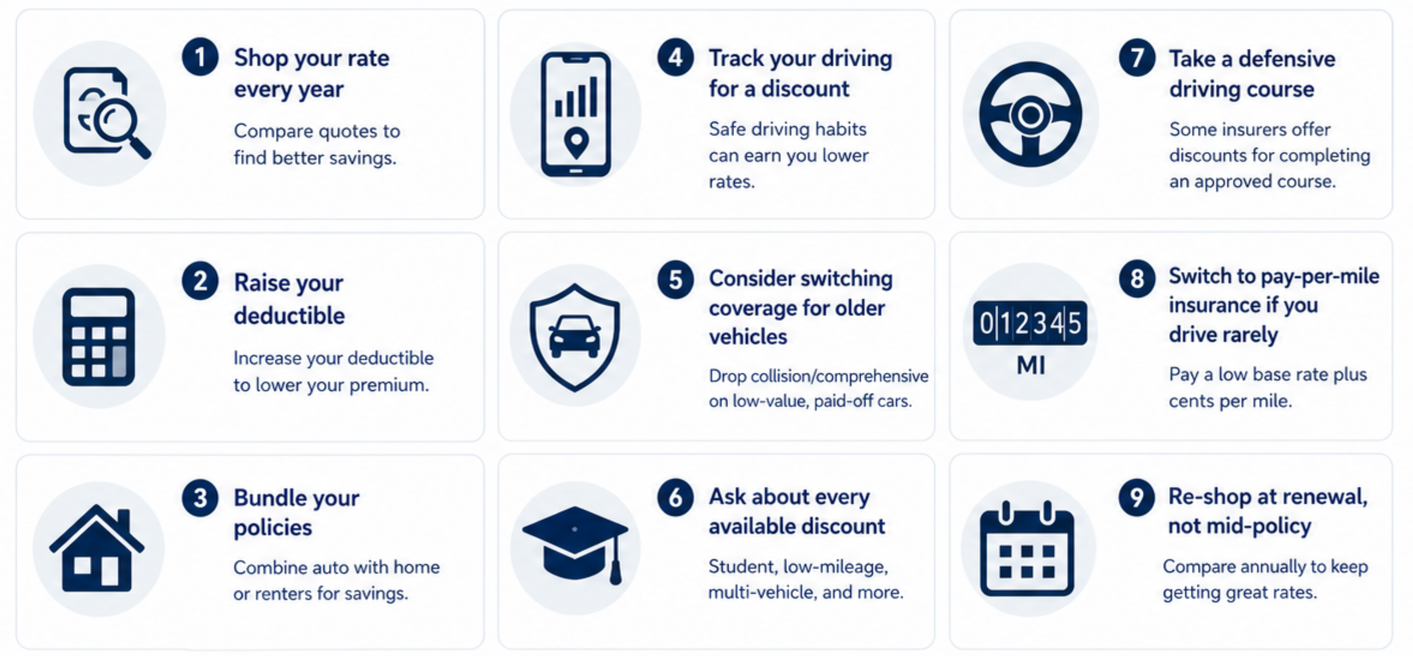
Shop your rate every year
Insurers price risk differently, and a company that was competitive two years ago may not be today. Comparison tools like The Zebra or Insurify let you check quotes from multiple carriers at once, making it easy to see if you're still getting the best deal.
Raise your deductible
Your deductible is the amount you pay out of pocket before insurance covers the rest of a claim. Choosing a higher deductible, say $1,000 instead of $500, lowers your monthly premium because you're taking on more of the risk yourself. It's a good option for drivers who could comfortably cover that cost if something happened, but it means a larger out-of-pocket bill after an accident.
Bundle your policies
Combining auto and home or renters insurance through the same company often unlocks a discount on both policies. Most major insurers, including State Farm, Progressive, and Allstate, offer this kind of discount.
Track your driving for a discount
Many insurers offer apps or devices that track driving habits, such as braking and speed. Safe drivers can earn meaningful discounts through these programs.
Ask about every available discount
Good student, low-mileage, paid-in-full, and multi-vehicle discounts often go unapplied unless a driver specifically asks for them.
Take a defensive driving course
Some insurers offer a discount for completing a defensive driving or safe driving course, separate from standard driver's ed. The National Safety Council offers one of the most widely accepted online courses, but check with your insurer first to confirm they'll honor the discount.
Switch to pay-per-mile insurance if you drive rarely
If you work from home, rely on rideshares, or don't drive often, pay-per-mile programs charge a low base rate plus a per-mile cost, which can be cheaper than a standard policy.
Re-shop at renewal, not mid-policy
Loyalty discounts rarely keep pace with rising rates. Re-shopping every 12 to 24 months, timed around your policy renewal, gives you the most leverage to switch if a better rate is available.
Car insurance costs have risen sharply since 2020, but the trend is cooling. The best way to fight back is simple: shop annually, use every discount available, and compare quotes before renewal.