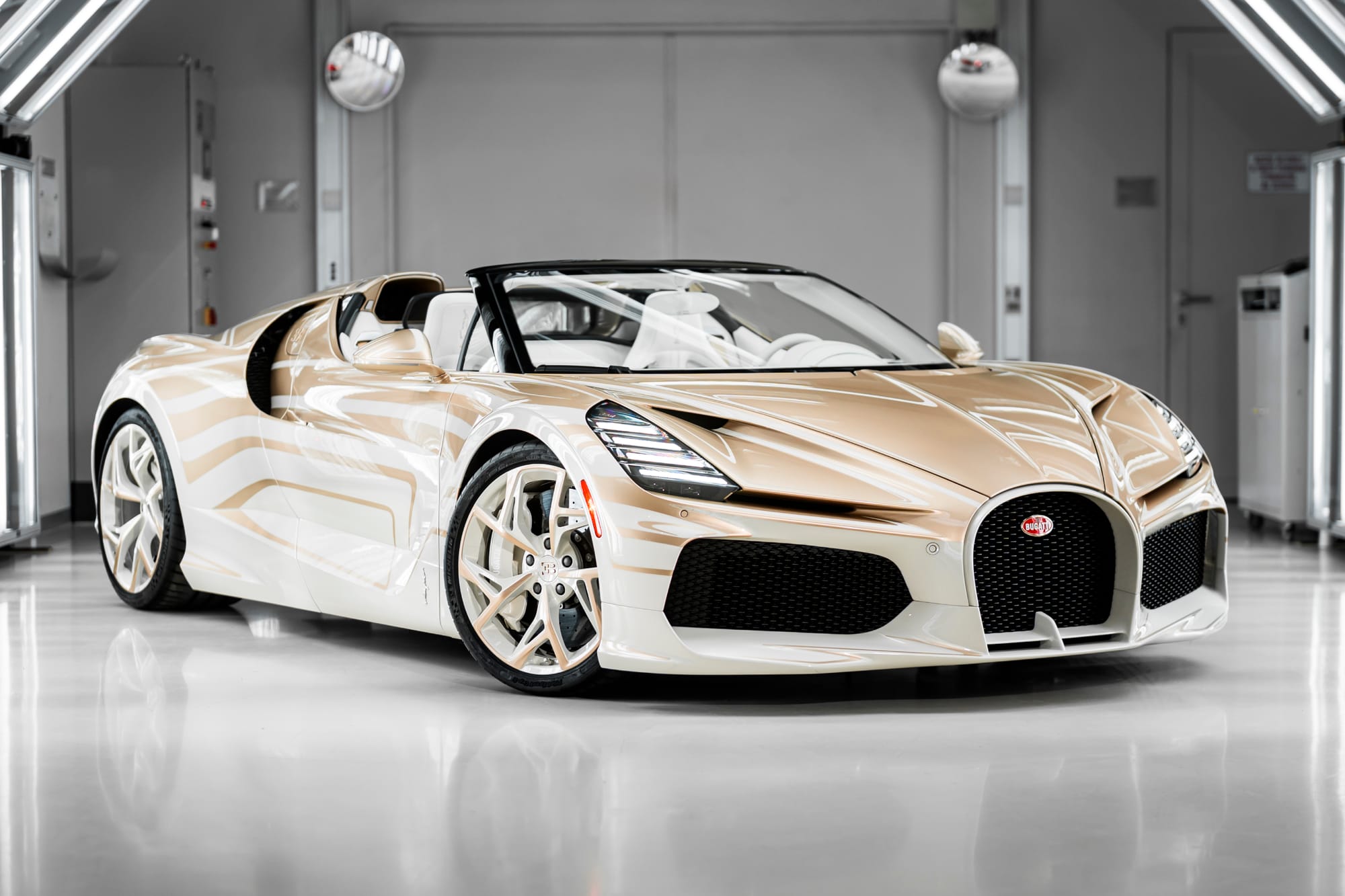
Engineering the Sound of the Bugatti Tourbillon's V16

For more than two decades, the sound of the W16 has defined Bugatti's identity, giving the Veyron, Chiron, Bolide and Mistral a voice as recognizable as their silhouettes. Now the naturally aspirated V16 replaces the W16, and Bugatti faced the challenge of finding a new voice to match.
Sixteen Cylinders, Zero Turbos
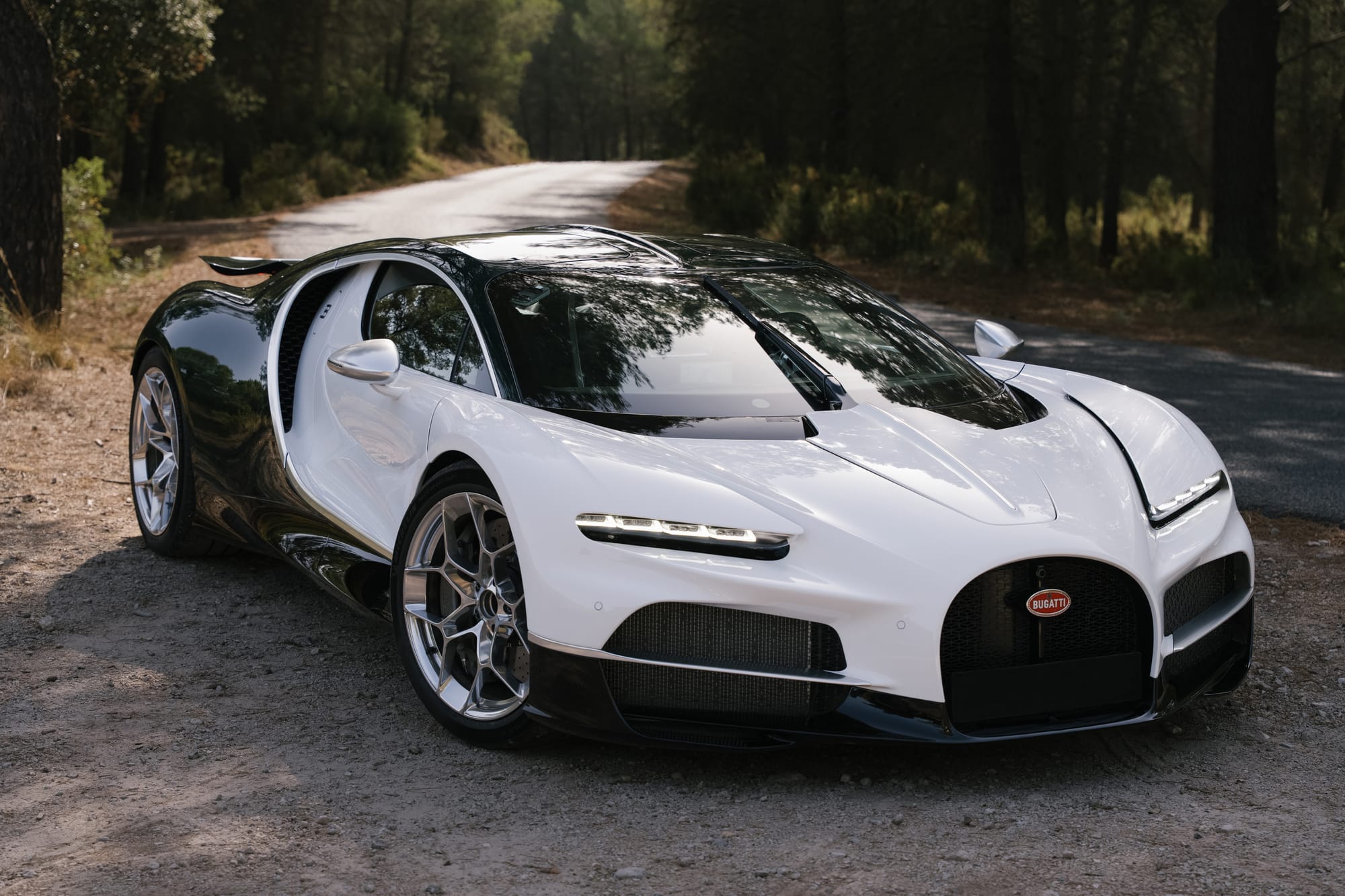
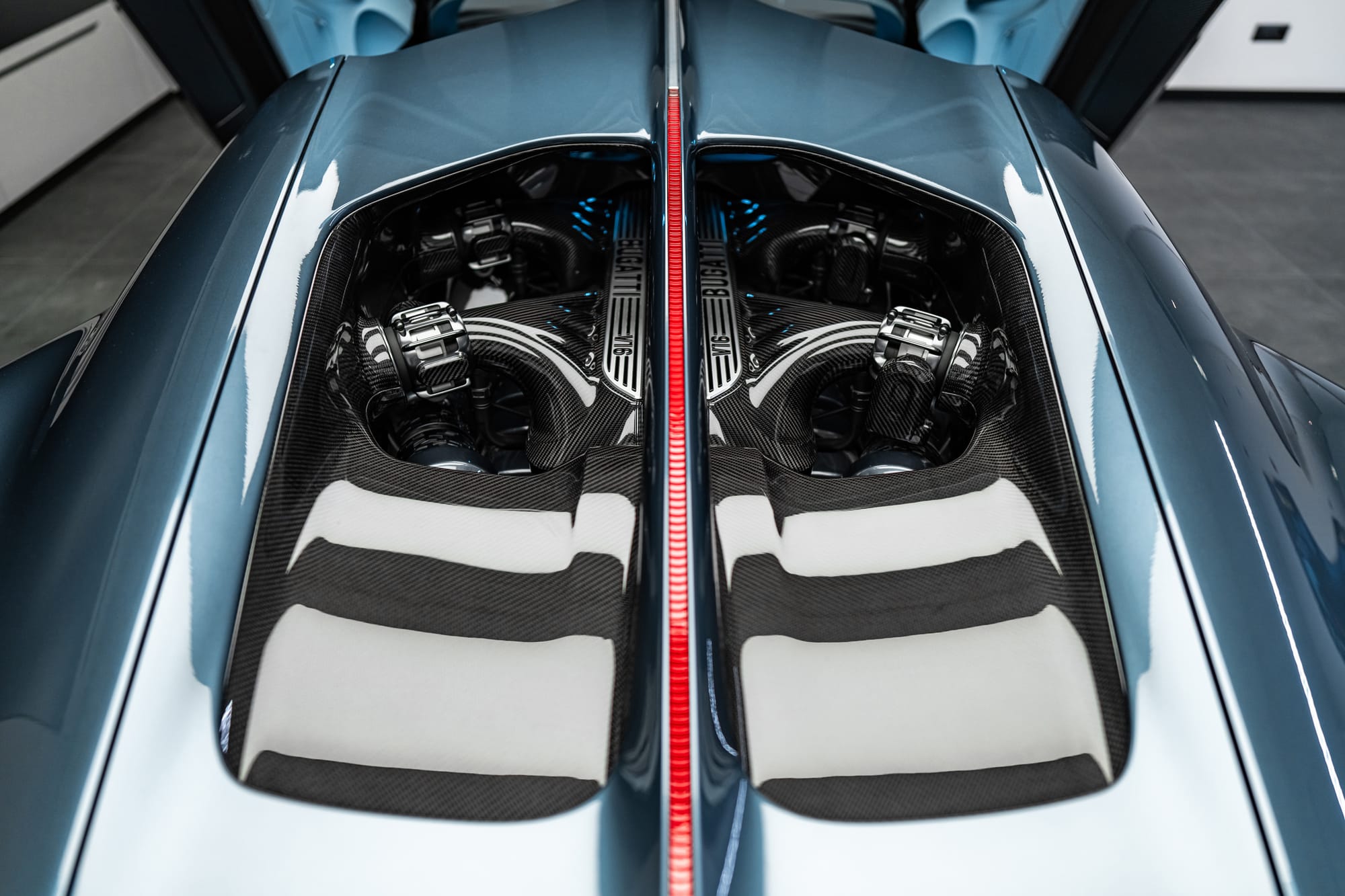
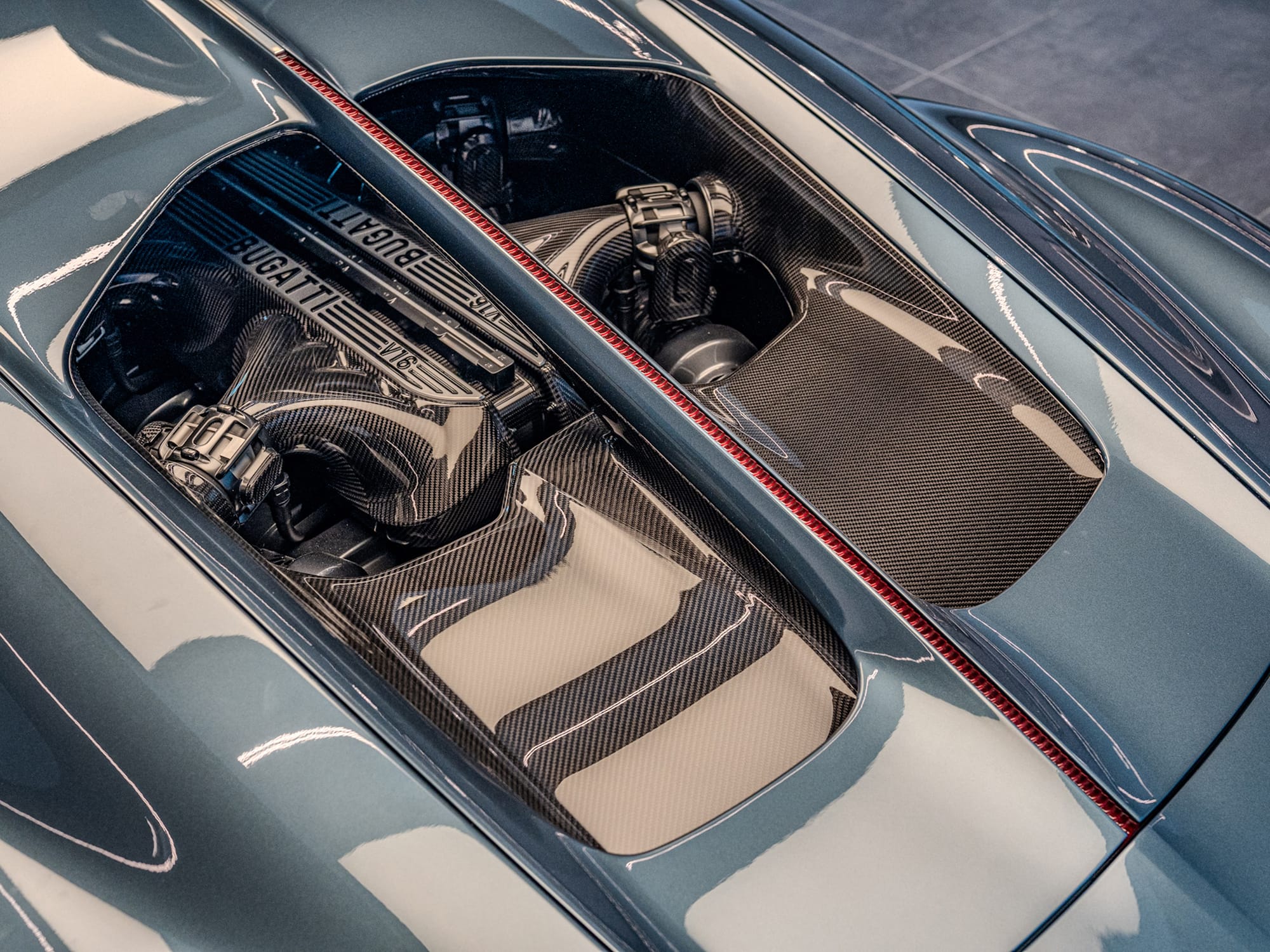
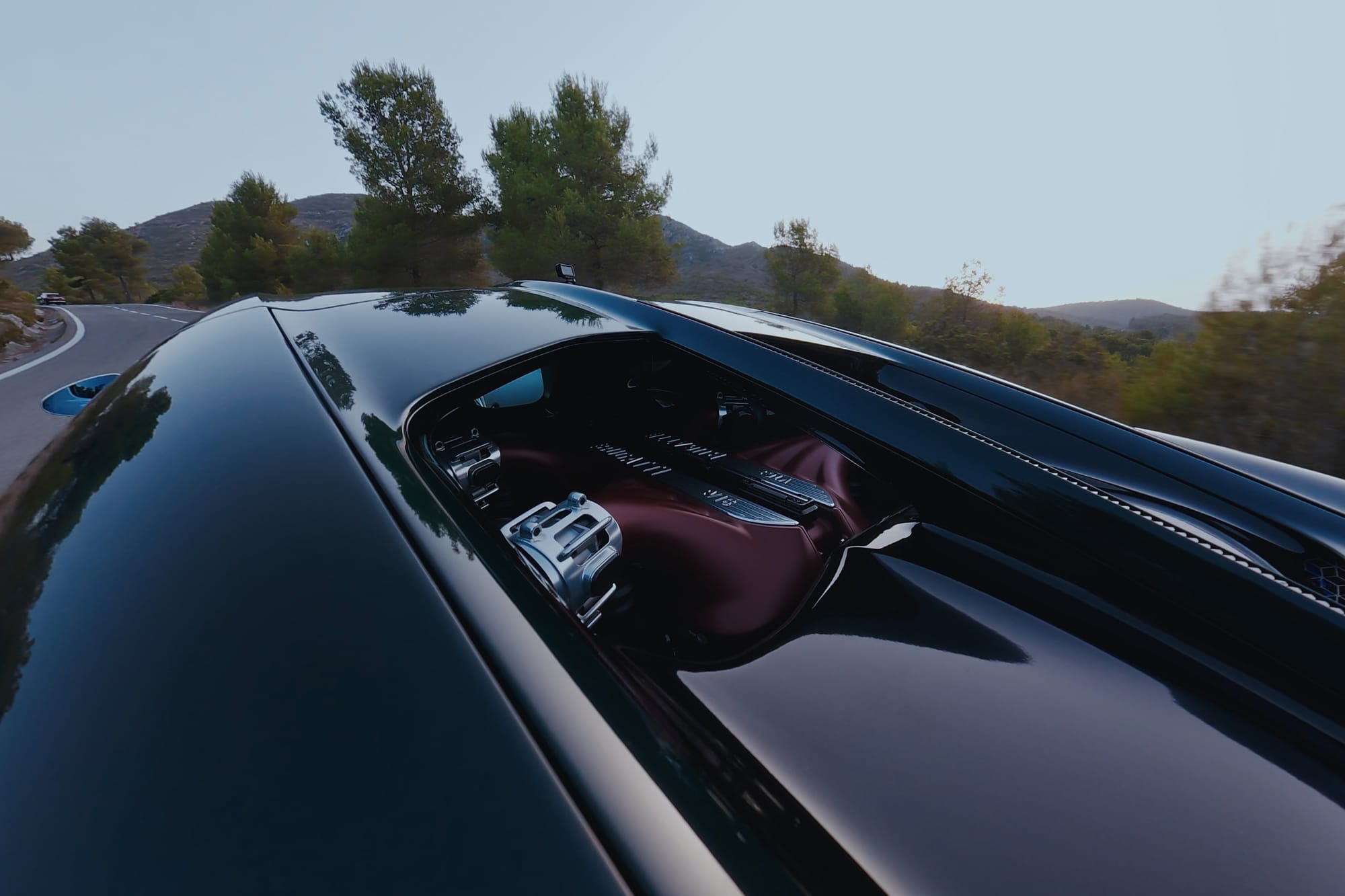
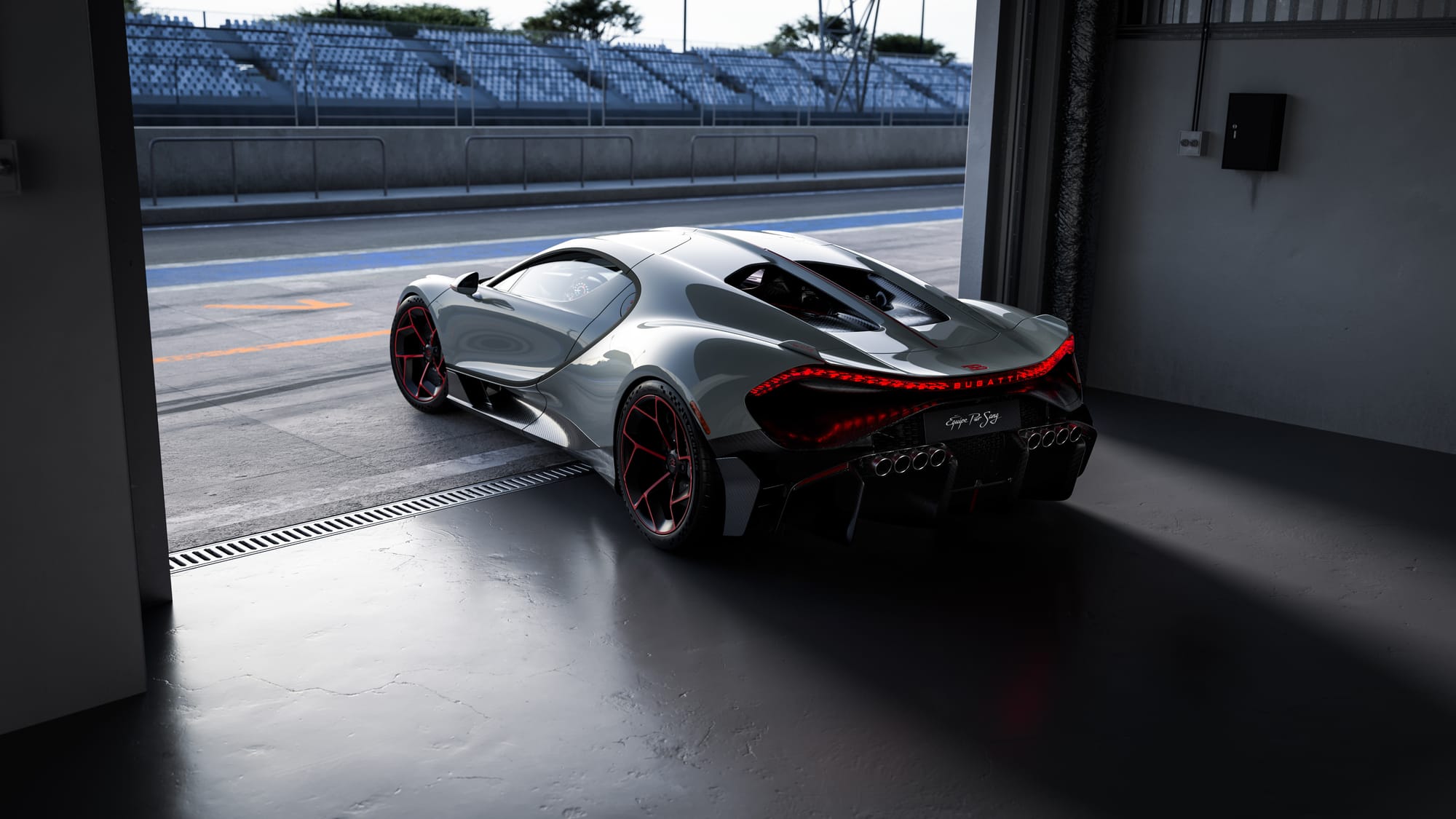
The Tourbillon is the Chiron's successor, and features Bugatti's all-new 8.3-liter naturally aspirated V16 built with Cosworth, the British firm behind some of the most celebrated racing engines in Formula One history.
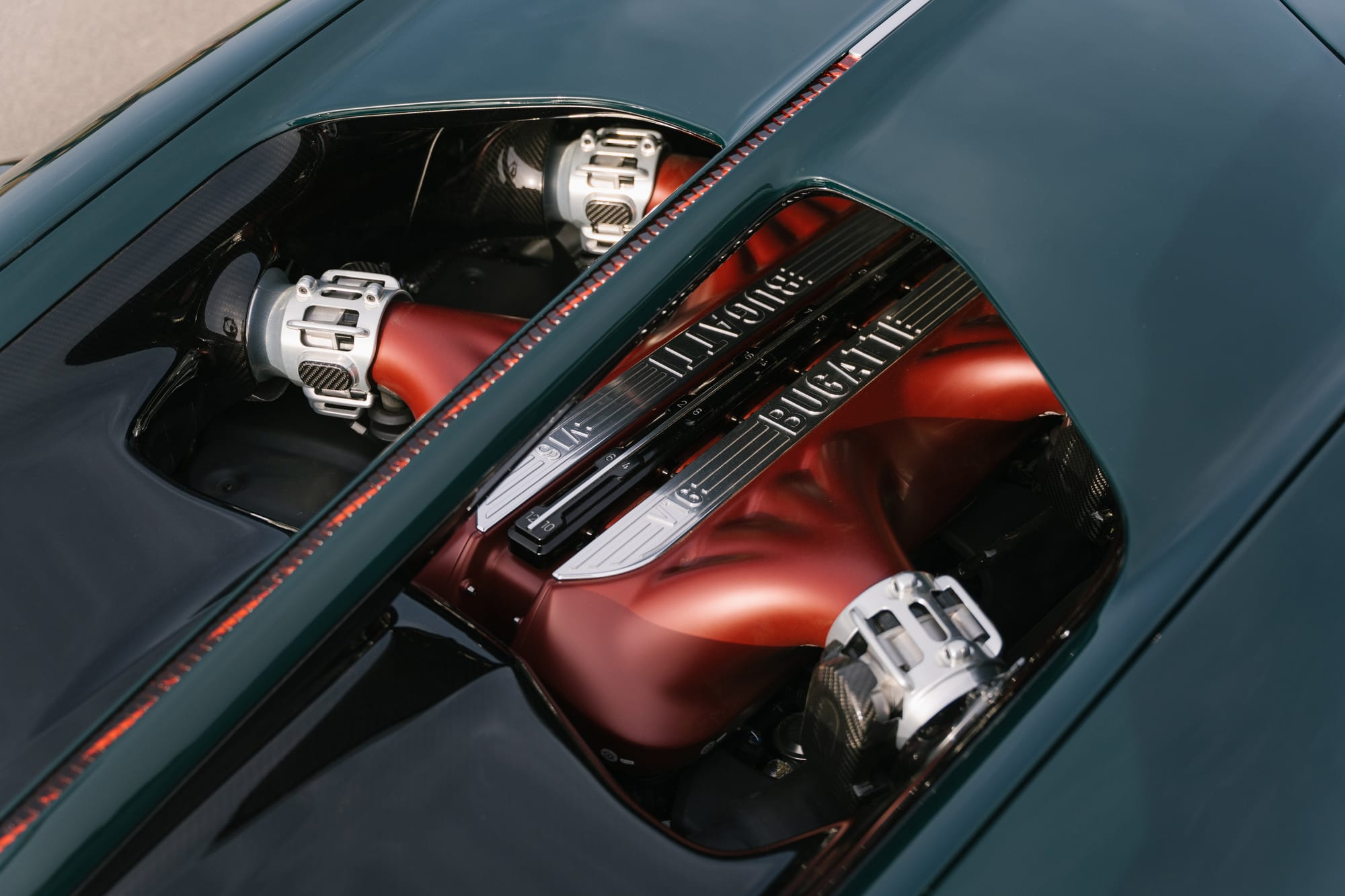
The V16 alone makes 986 hp and revs to a 9,000 rpm redline. Factor in three electric motors, two on the front axle and one at the rear, and total output climbs to 1,775 hp with a top speed of 445 km/h, or 276 mph.
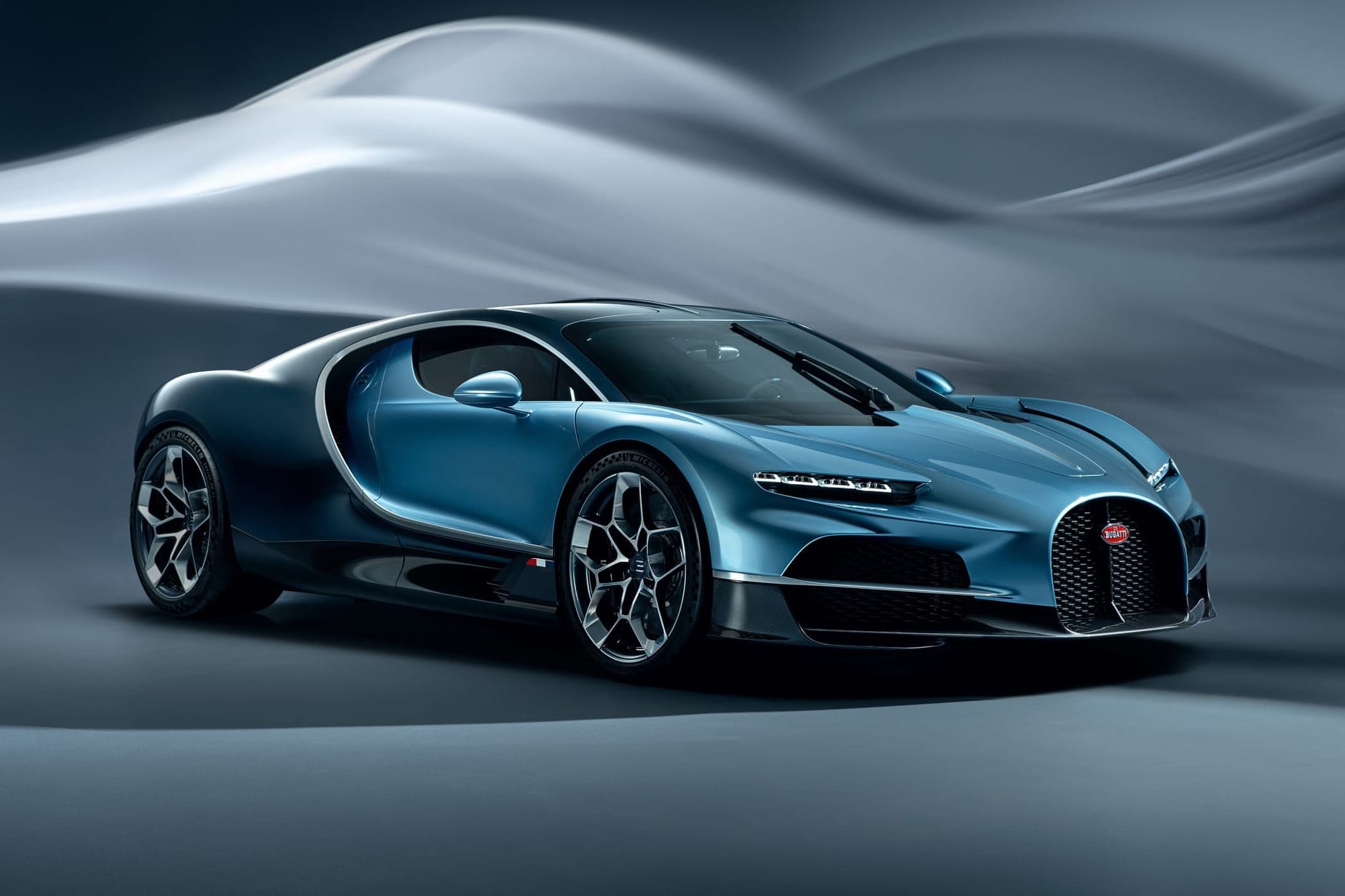
Unlike the quad-turbo W16 it replaces, the Tourbillon's V16 is naturally aspirated. With no turbochargers, it revs higher, breathes freely, and responds to the throttle with no turbo lag. According to Bugatti, that gives the driver a more direct, emotional connection to the engine.
Tuning the V16's Character
Bugatti built its new V16 to carry the same raw edge its engines are known for. Translating that character onto a naturally aspirated V16 paired with hybrid power took thousands of simulations across the exhaust and intake, all balancing performance, refinement, and rawness.
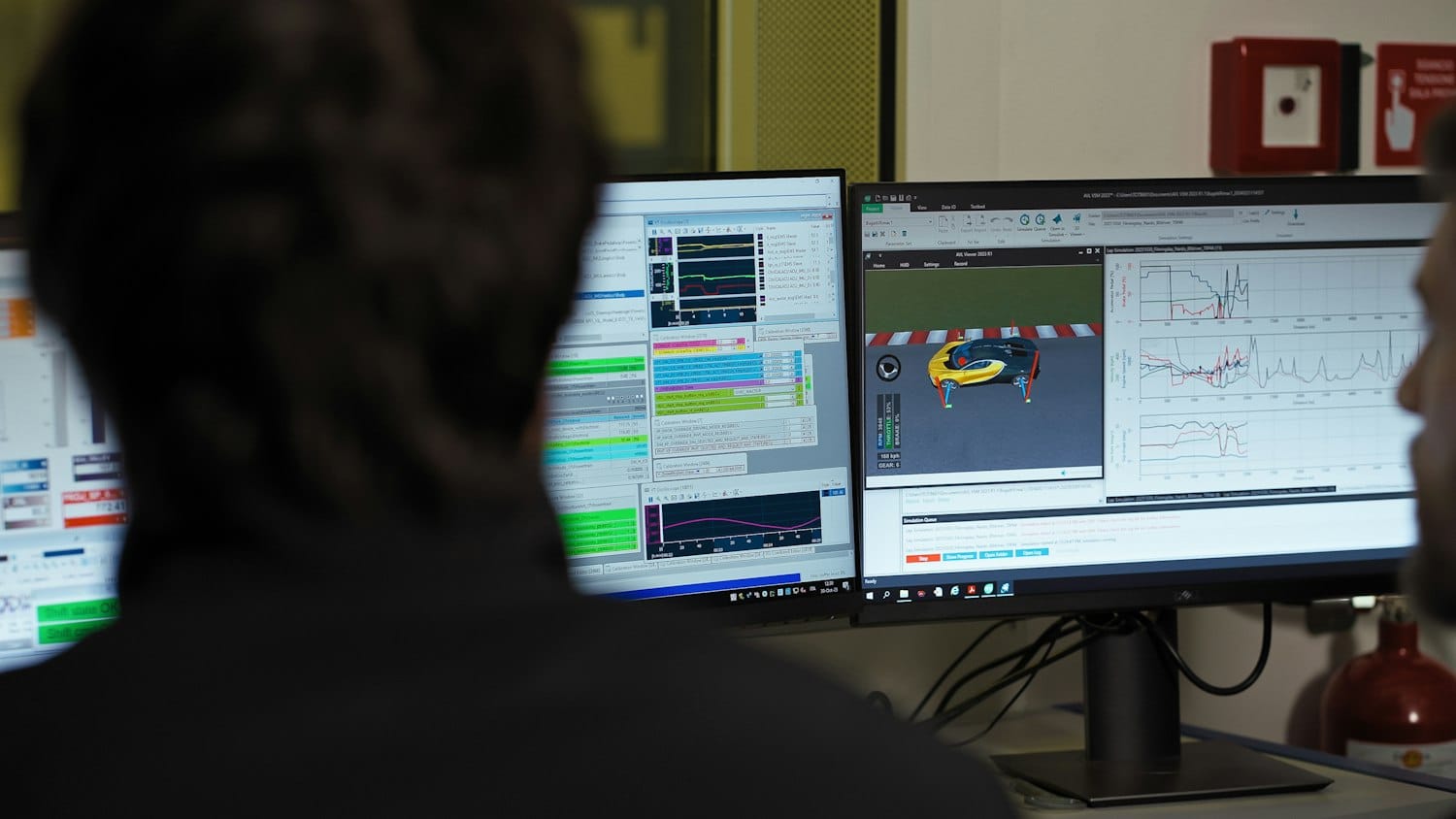
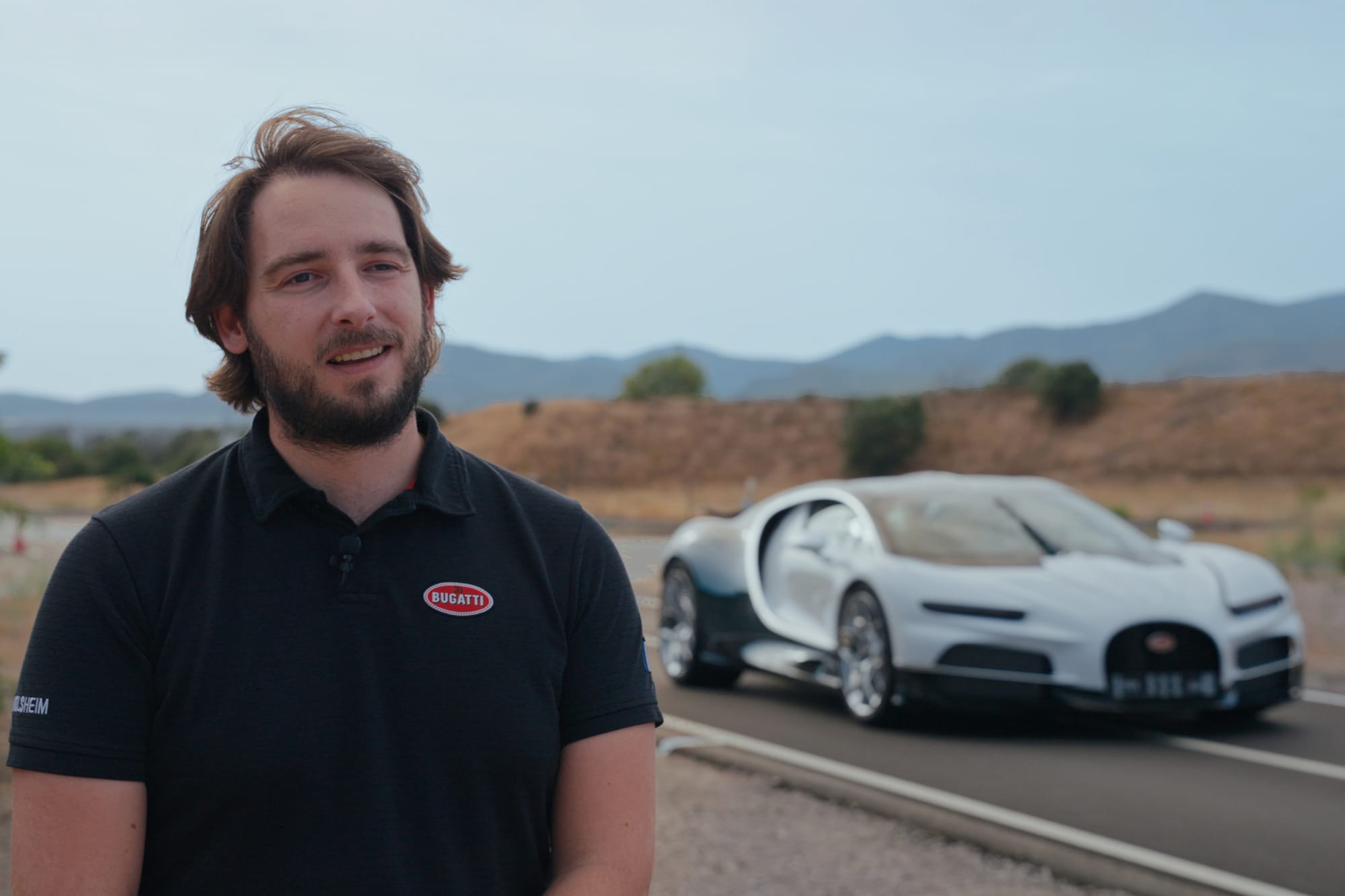
"Bugatti, from a sound perspective, has never had a very clean-sounding engine. It has always been a little bit dirty and raw, so we decided to keep that as one of the key points of the sound," said Romain Volatier, Head of NVH and Acoustics at Bugatti.
A Sound You Feel Through the Throttle
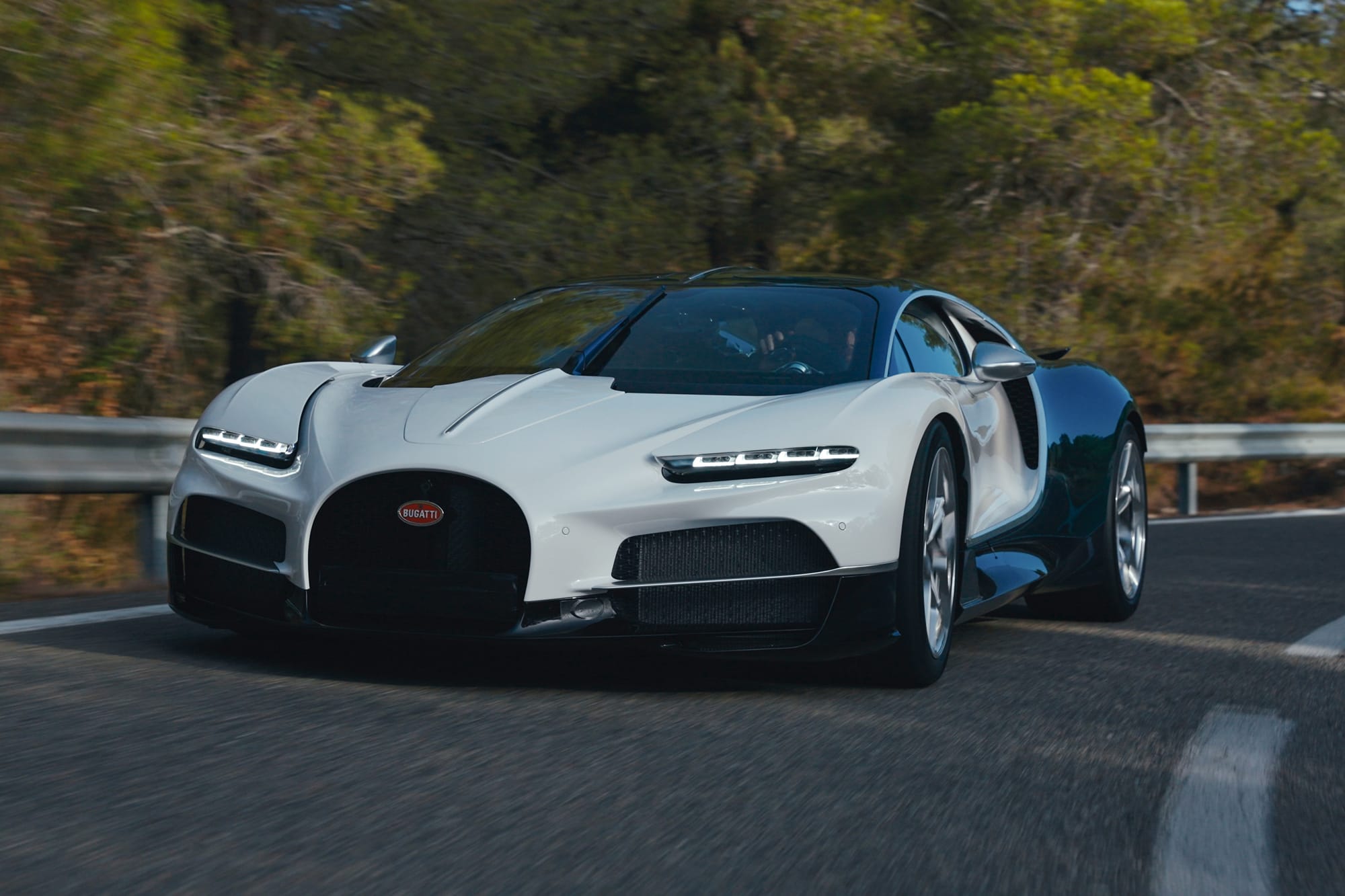
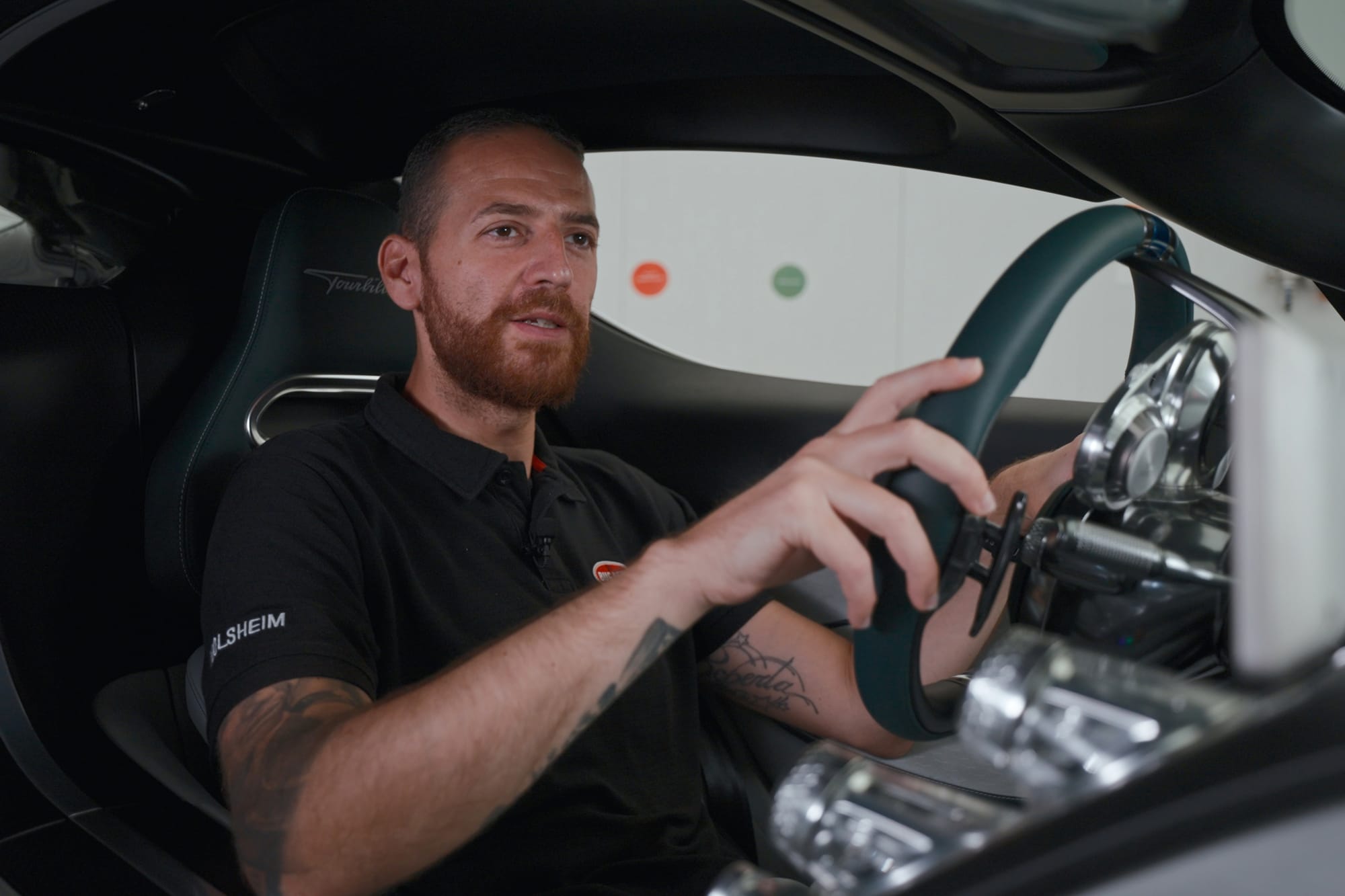
"As a test driver, it's very important that I can hear the engine and feel the engine speed increasing in connection with the throttle," said Paolo Magrone, Bugatti Vehicle Development Driver. "It's very important for me to connect the sound of the engine with what I'm asking from it through the throttle."
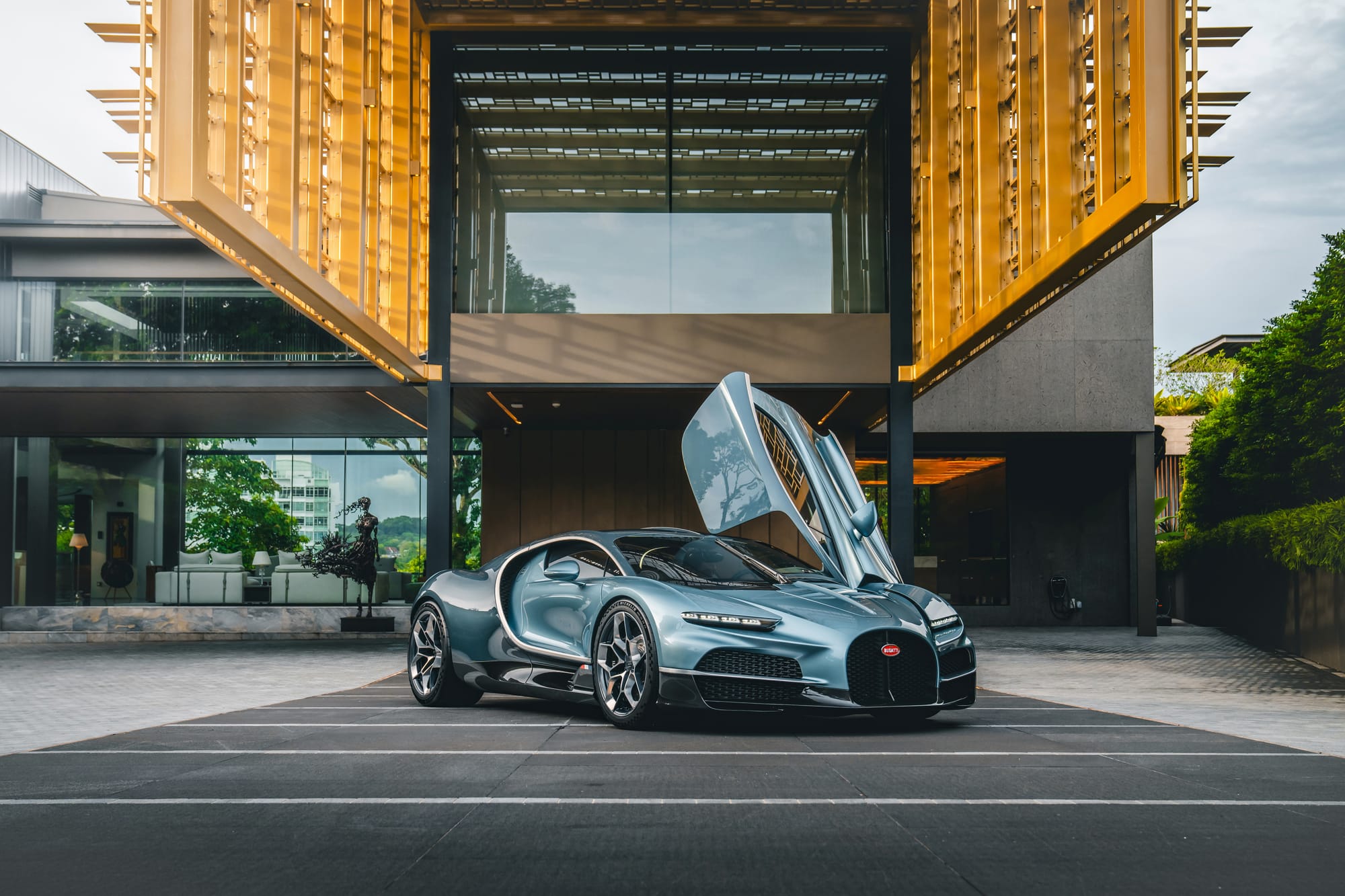
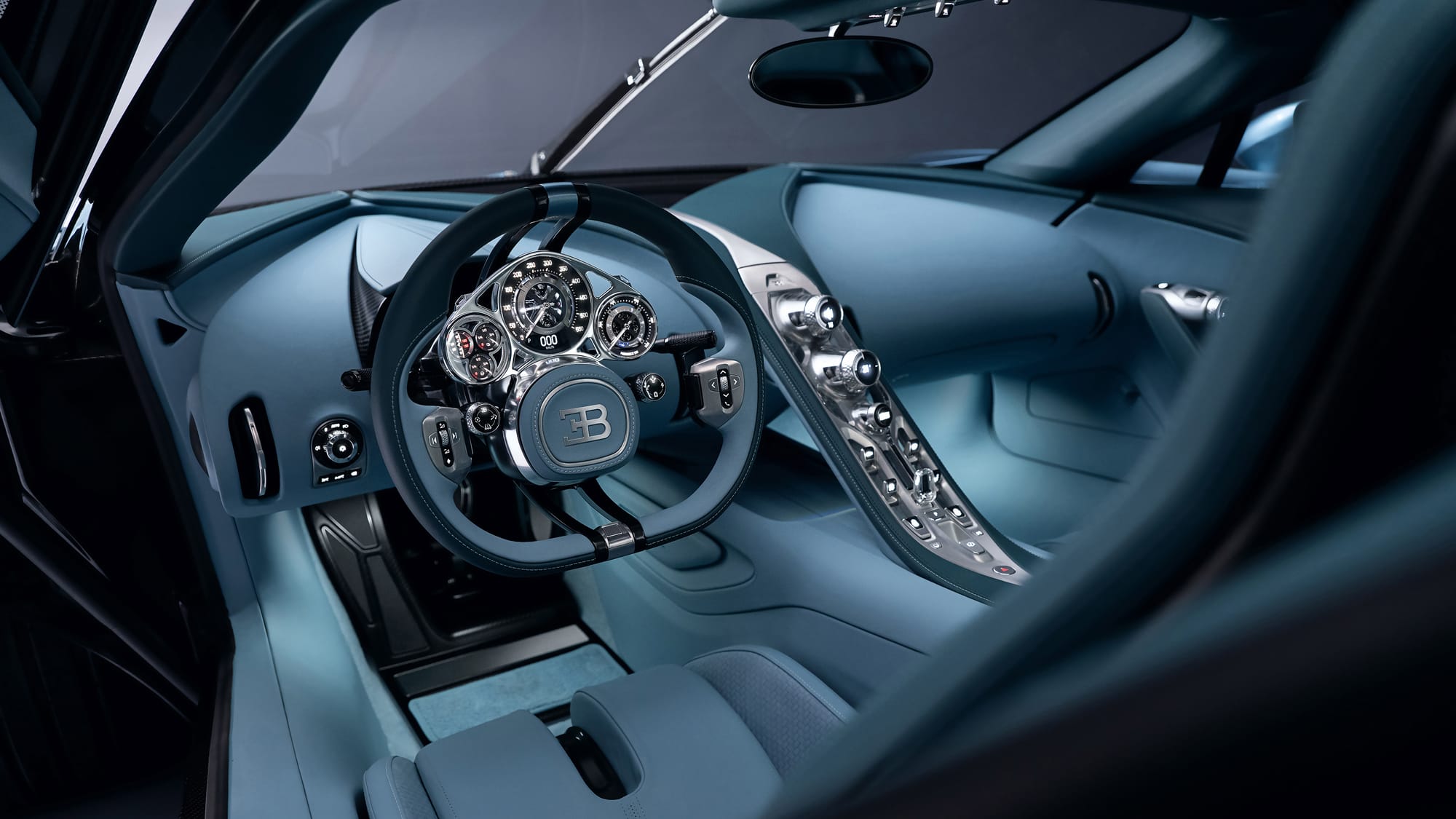
With the windows up and the car in electric mode, the cabin stays quiet. Press the throttle and the V16 comes through. Lower the windows, and the intake and exhaust fill the cabin. Every note is mechanical, with nothing piped through the speakers.
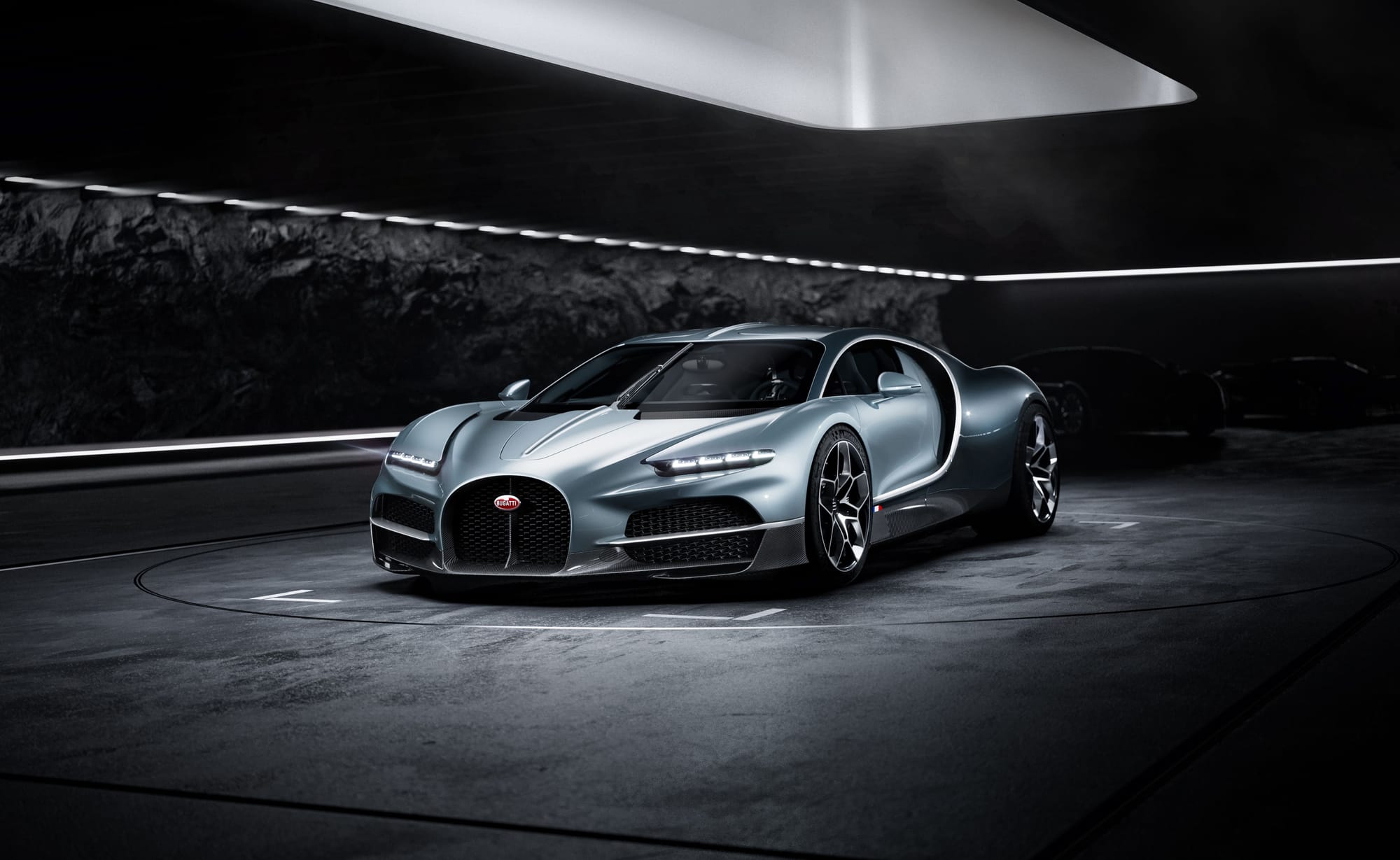
Loud Enough to Thrill, Legal Enough to Sell
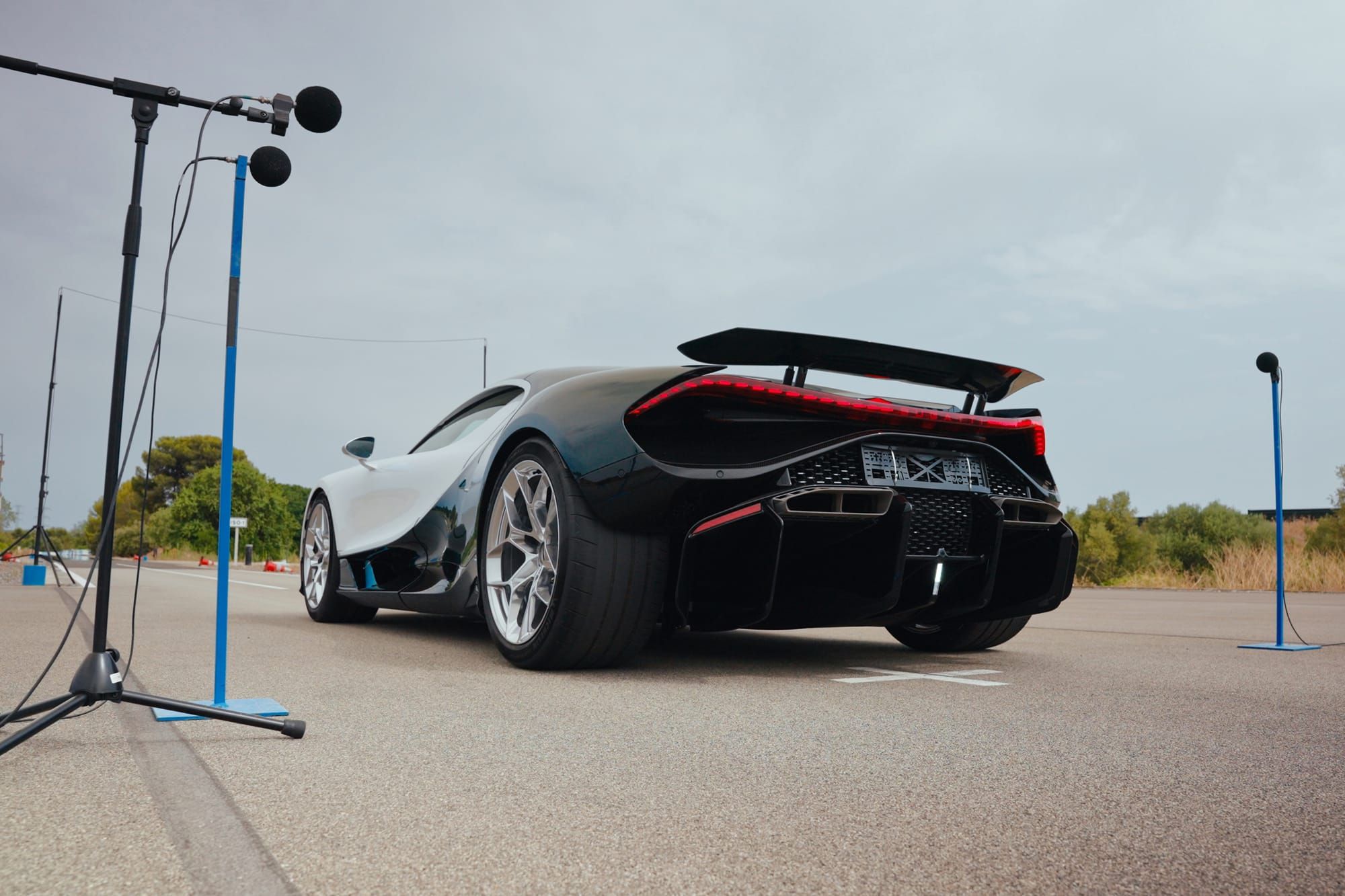
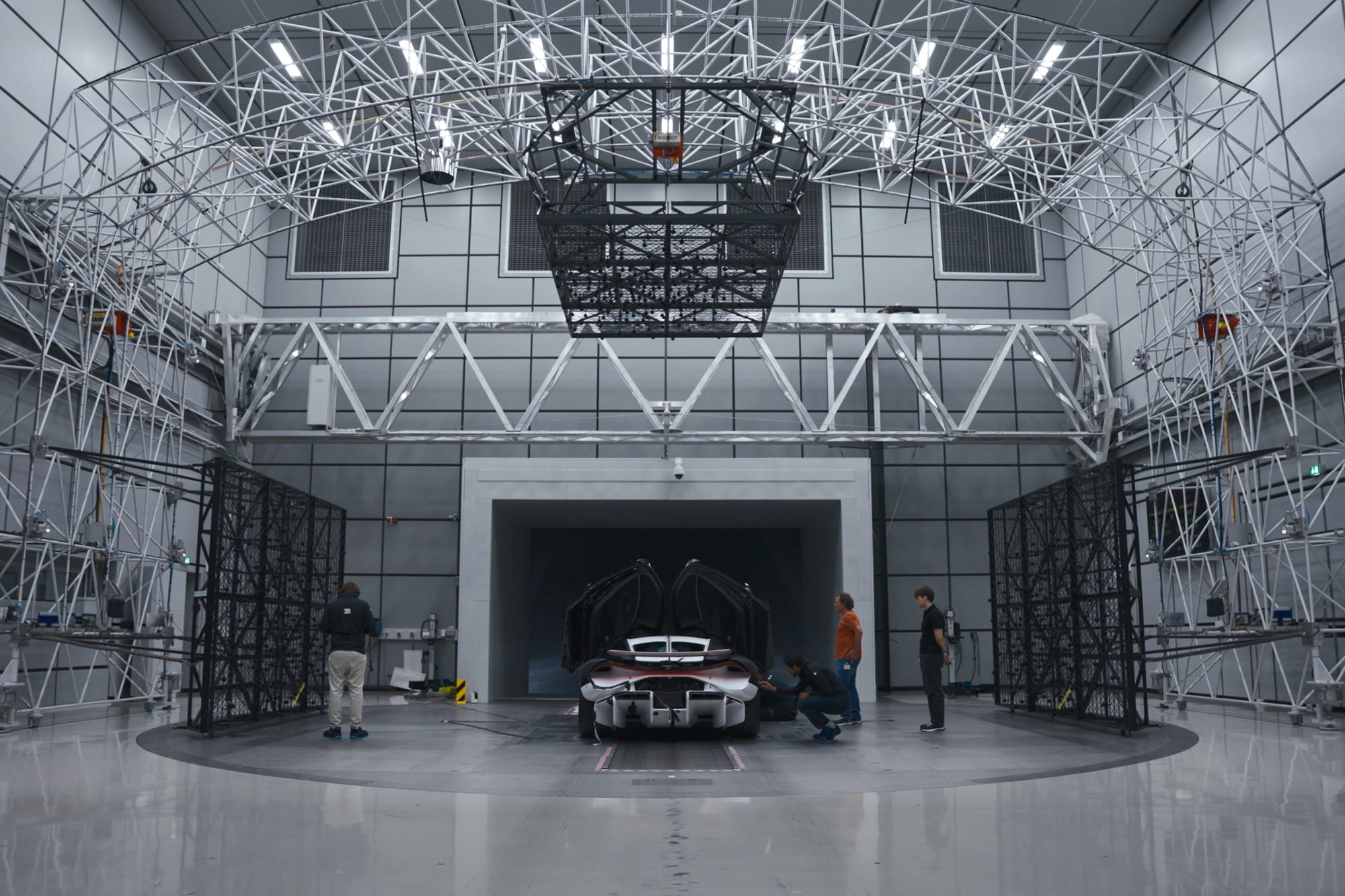
The Tourbillon also had to pass homologation, the certification that clears a car for sale, meeting strict noise-emission limits without dulling the V16's character. The limit is 72 decibels, measured across constant-speed and accelerated runs that capture the whole car, not just the engine.
Three Years, One Voice
After three years of development, the Tourbillon's acoustic character has reached its final form and carries the spirit of Bugatti's past forward. Bugatti breaks down how its engineers developed, refined, and confirmed that sound in the latest episode of its "A New Era" docuseries, "Sound Of A New Era pt.1," now on the brand's official YouTube channel.
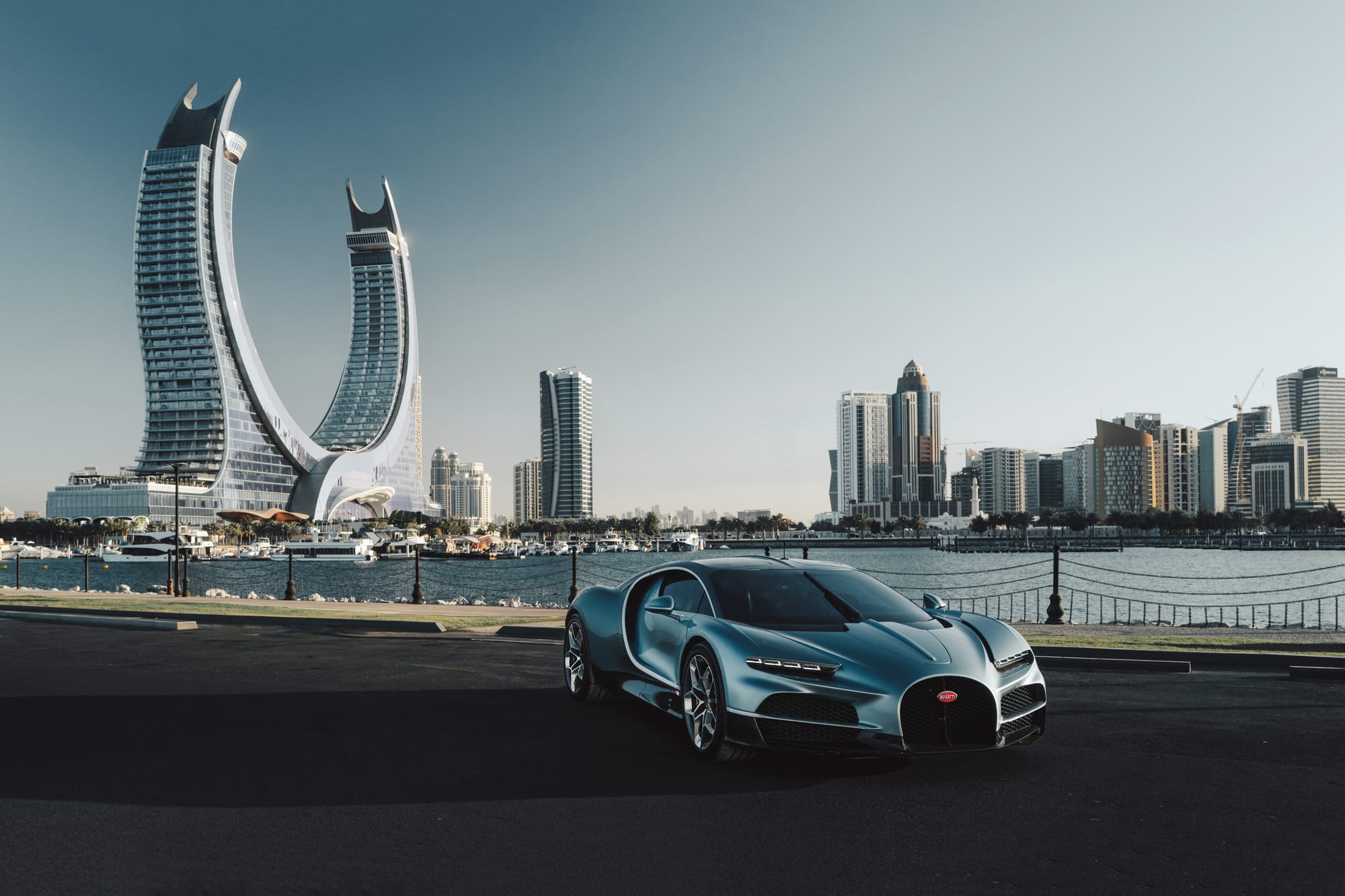
Media: Bugatti Newsroom
 Very Driver
 Very Driver