
This Video Shows How Porsche Built the 1-of-1 Flachbau RS

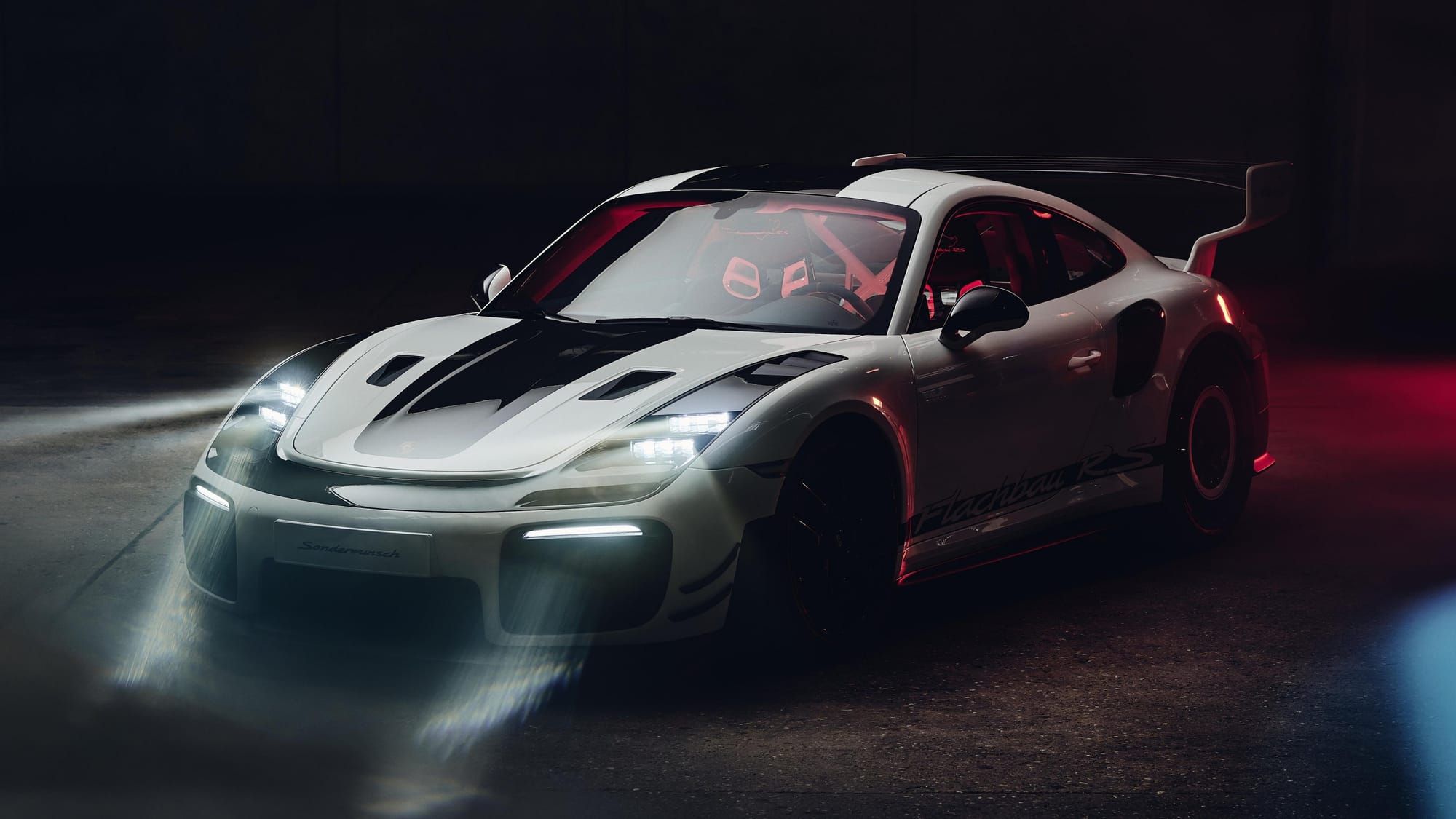
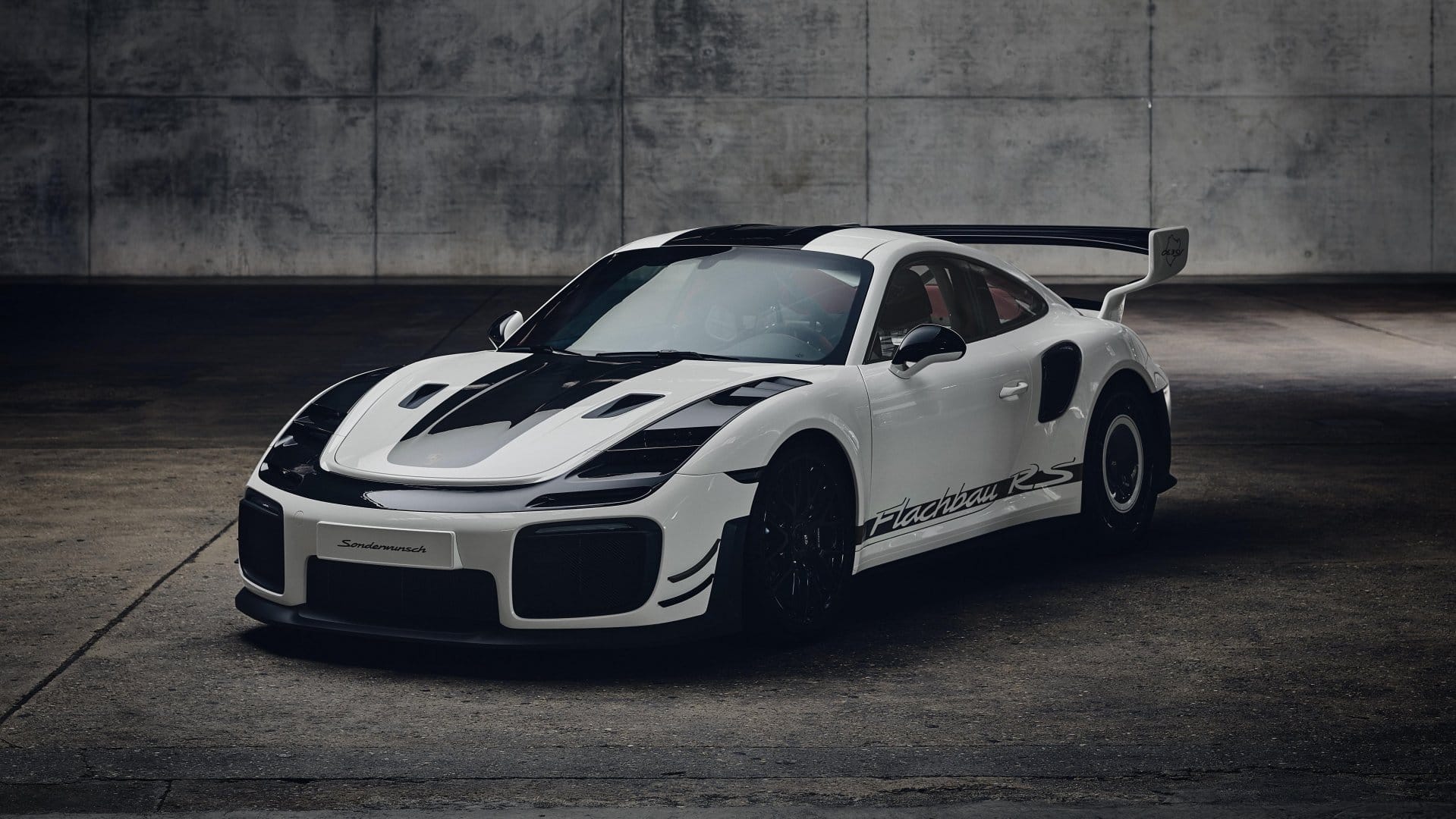
The Flachbau RS is a Porsche Sonderwunsch Factory One-Off based on a 911 GT2 RS. It reinterprets the slantnose look of the 935/78 "Moby Dick" and took nearly three years to build, with Style Porsche, Weissach, Porsche Motorsport, and Manthey all involved.
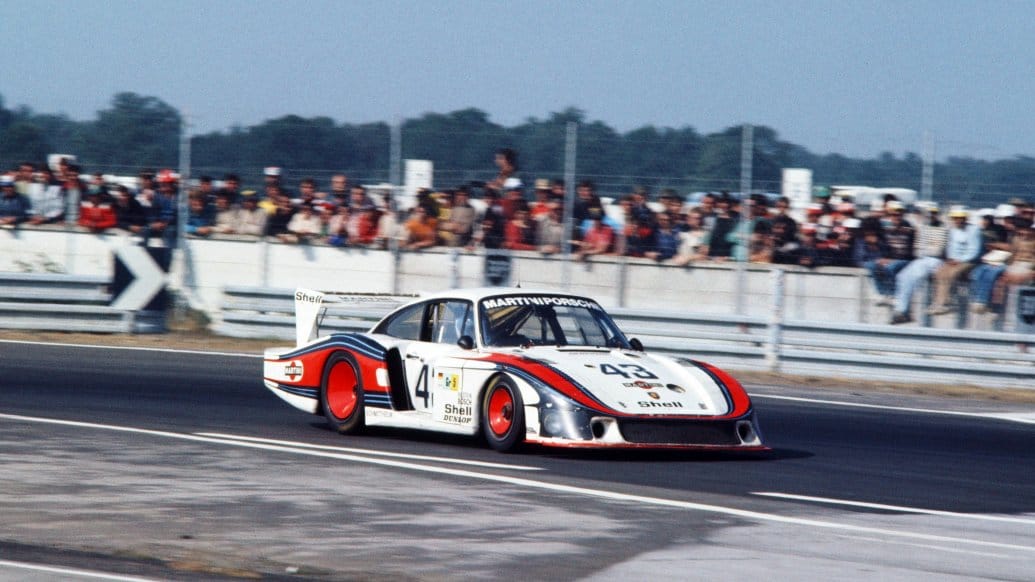
The 935/78 earned the "Moby Dick" nickname for its long tail and low slantnose body. It scored a dominant win at the 1978 6 Hours of Silverstone, and at Le Mans that year it was the fastest car down the Mulsanne Straight before mechanical trouble dropped it to eighth. There is only one factory-original Porsche 935/78, and its shape made it one of the most recognizable race cars Porsche ever produced.
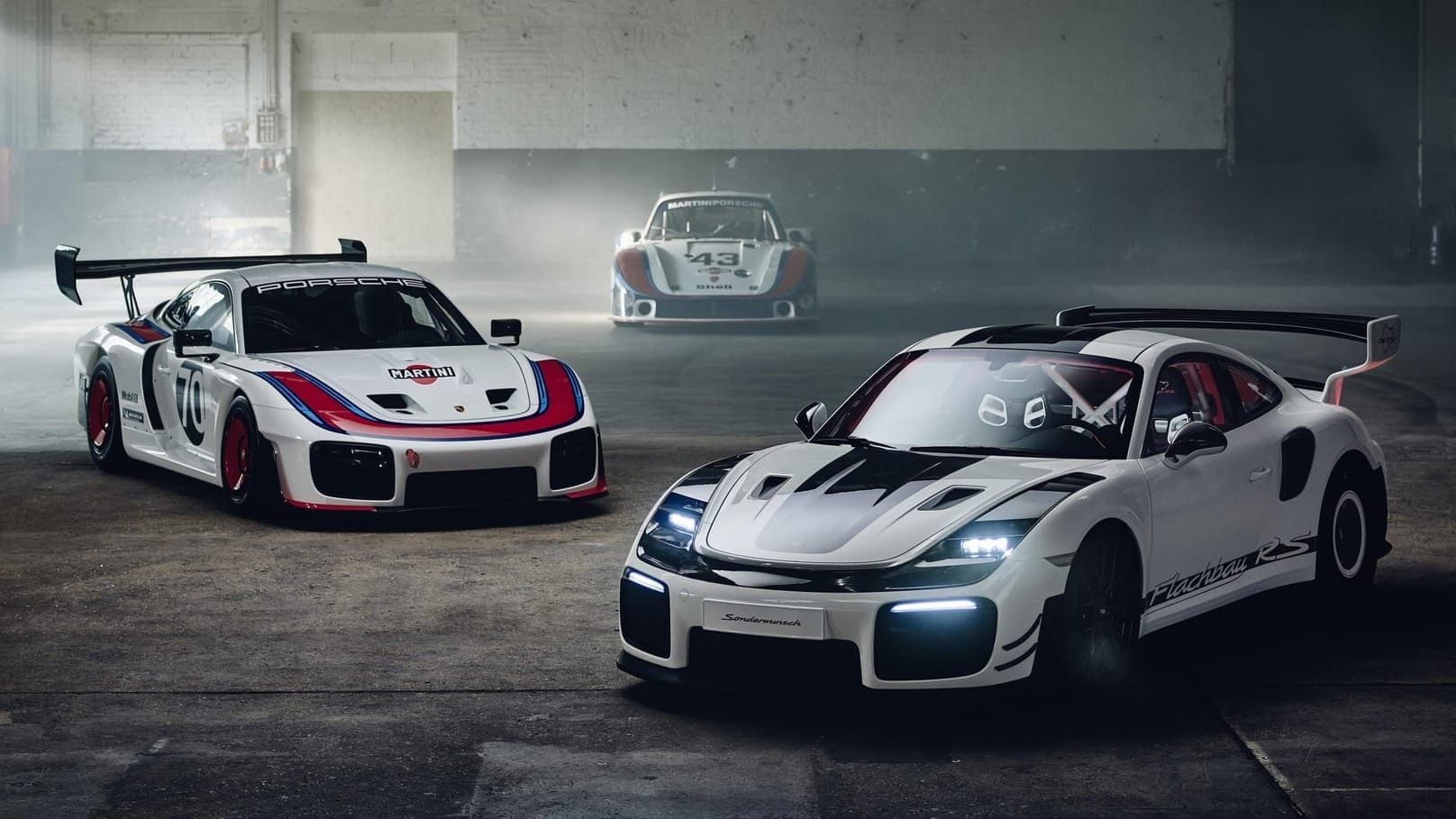
Porsche Flachbau RS
The Flachbau RS is based on a 2018 Porsche 911 GT2 RS with the Weissach Package. Porsche reshaped it into a slantnose one-off inspired by the 935 and filed the "Flachbau" and "Flachbau RS" names with the European Patent Office in May 2025. Only one exists.
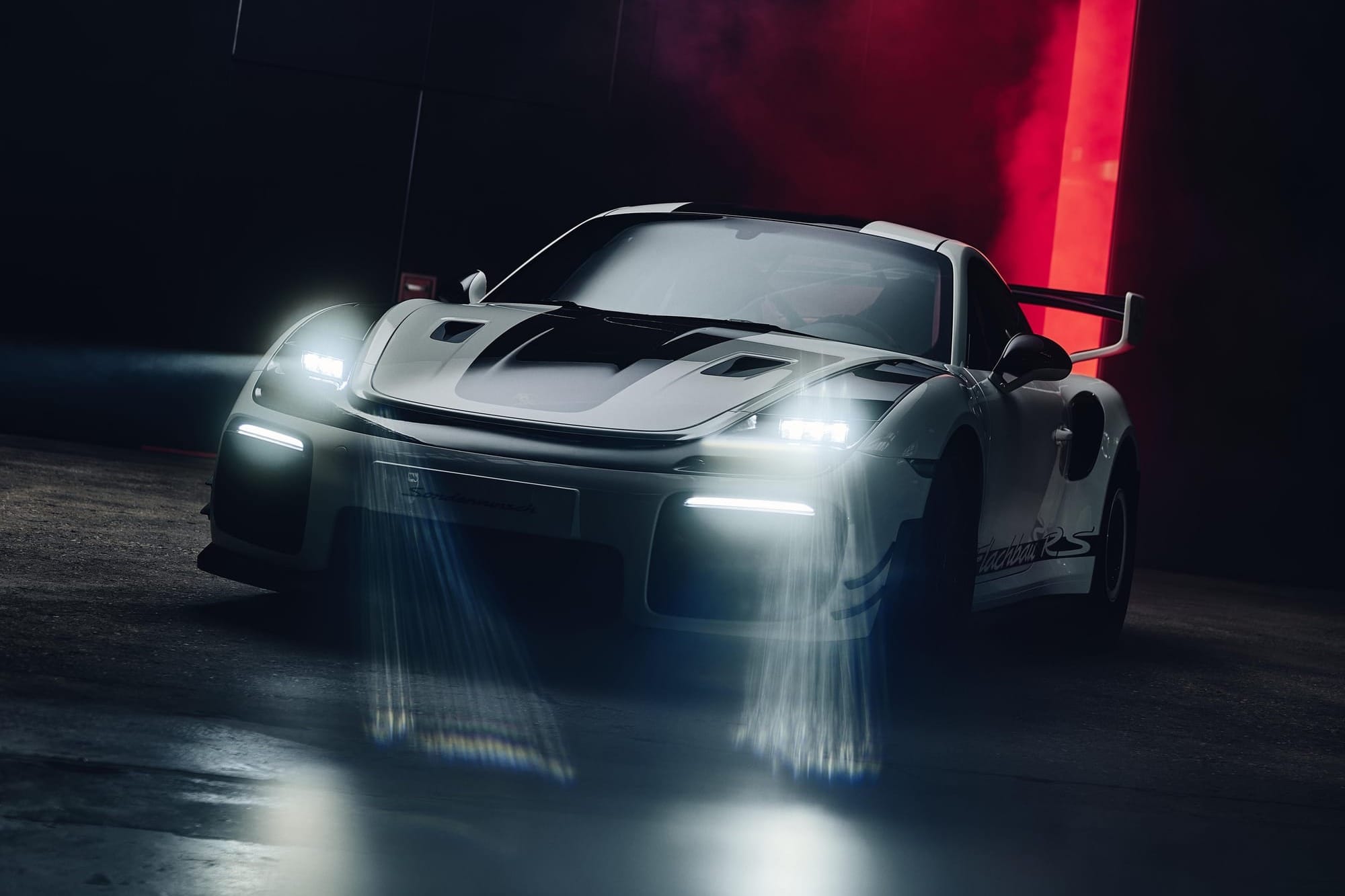
Flachbau RS Powertrain
At the customer's request, the drivetrain remains unchanged, so the car keeps the GT2 RS 3.8-liter twin-turbo flat-six making 690 hp and 553 lb-ft. of torque. It runs 0 to 60 mph in 2.8 seconds and tops out at 211 mph. The build focused on weight and aerodynamics, cutting 70 pounds.
Design
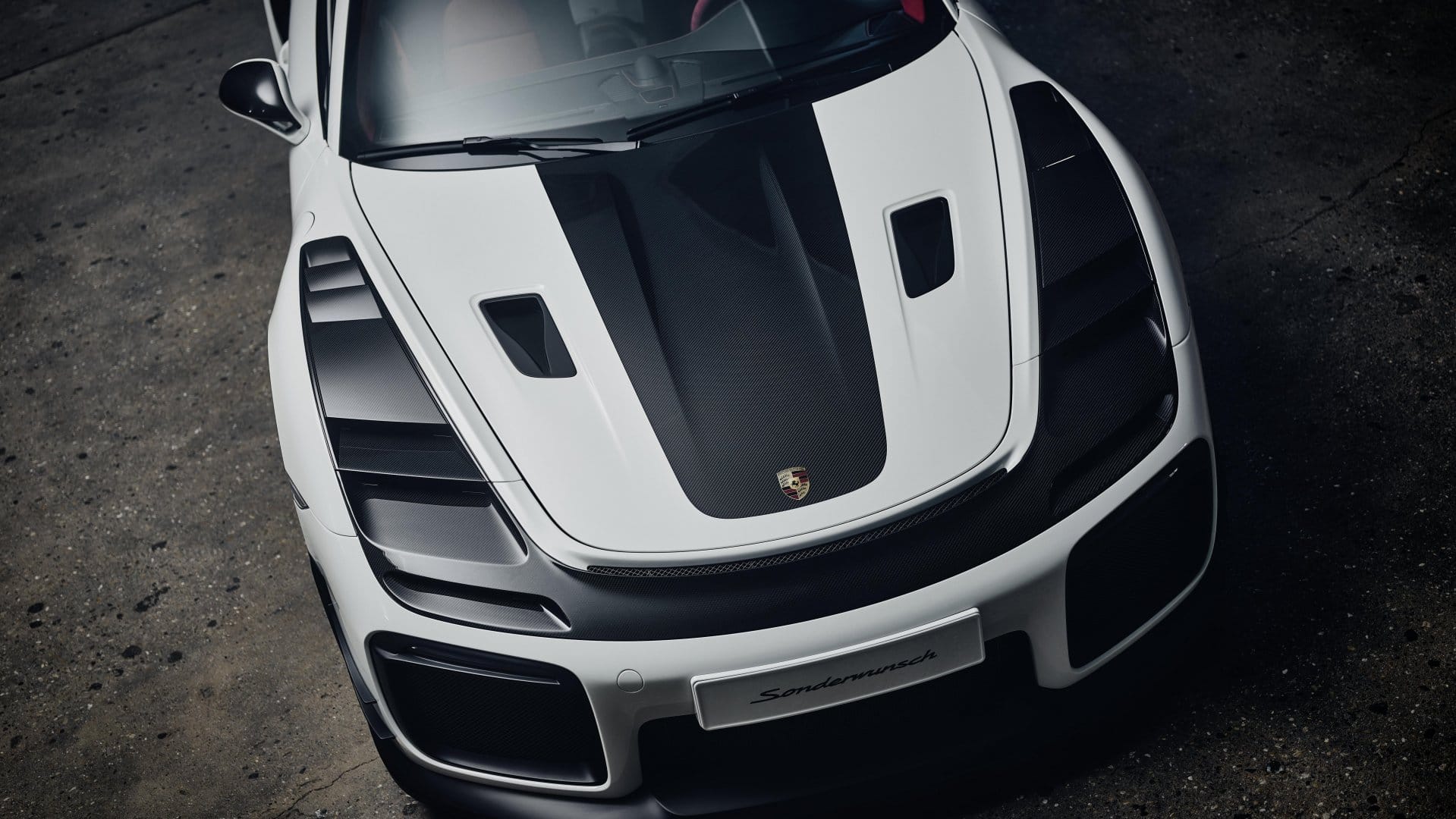
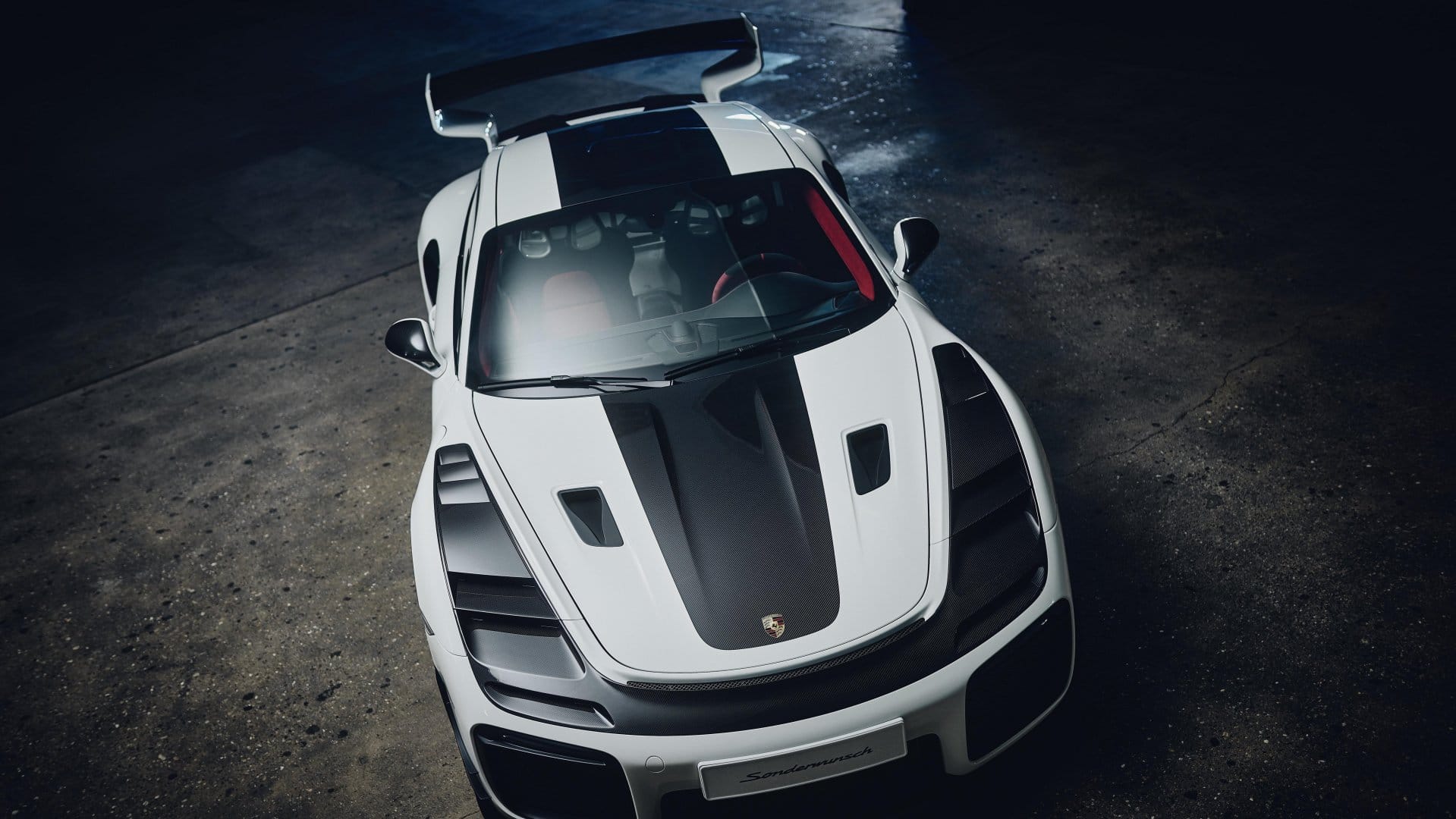
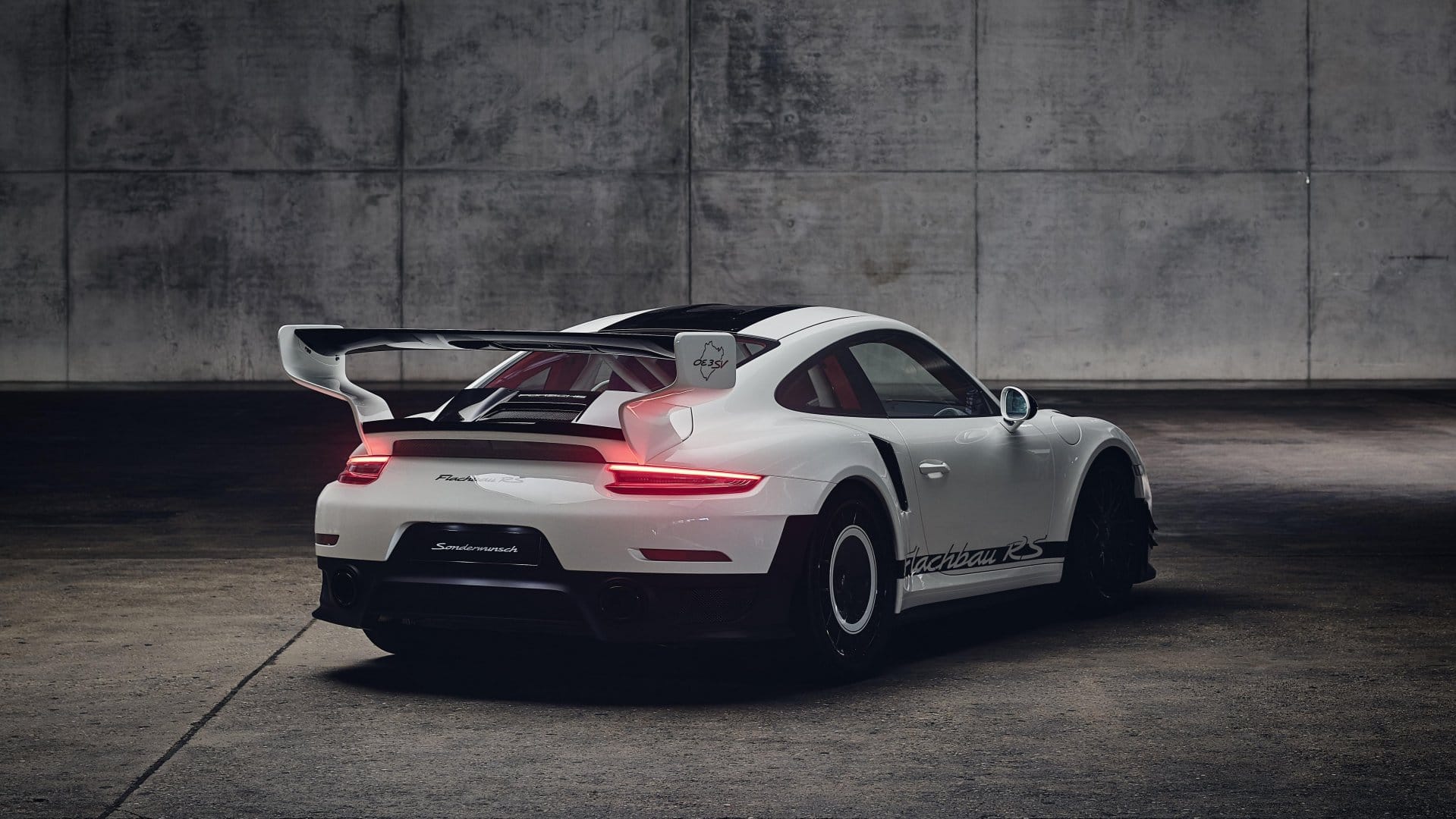
The body uses flatter front wings, slatted air outlets, and a three-tier LED headlight system with five flat lamps per side. It is painted Grand Prix White with black and exposed carbon fiber accents, including a U-shaped bonnet graphic that references the original Moby Dick livery.
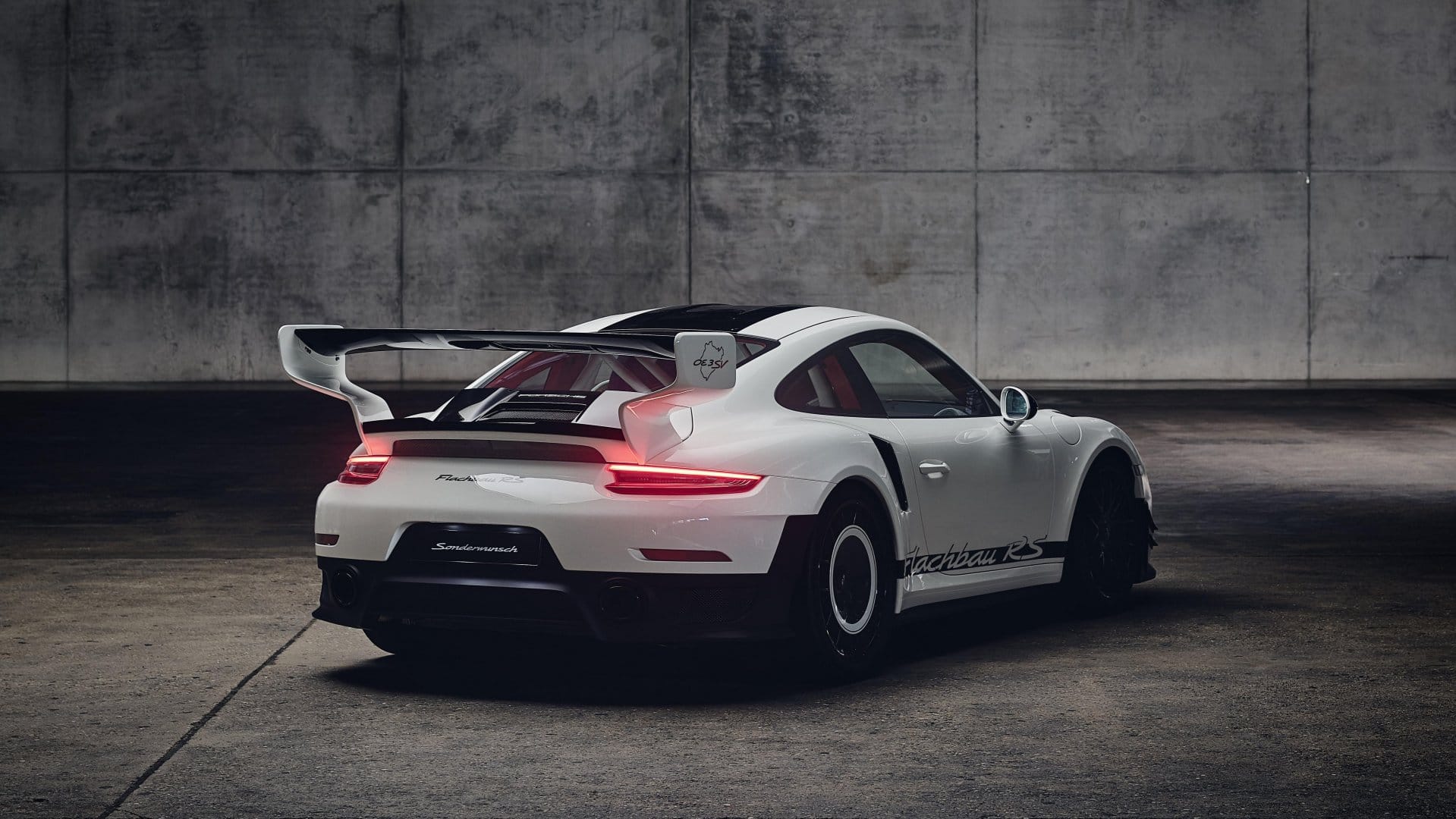
The rear wing sits on S-shaped mounts, adjusts to three positions, and produces 1,221 pounds of downforce on the rear axle at 211 mph in its highest setting.
Carbon Fiber Down to the Fuel Door Hinge
Exposed carbon fiber runs through the Flachbau RS for both design and weight savings. The center stripe and U-shaped bonnet element are finished in bare carbon against the Grand Prix White, tying back to the Martini 935/78 livery.
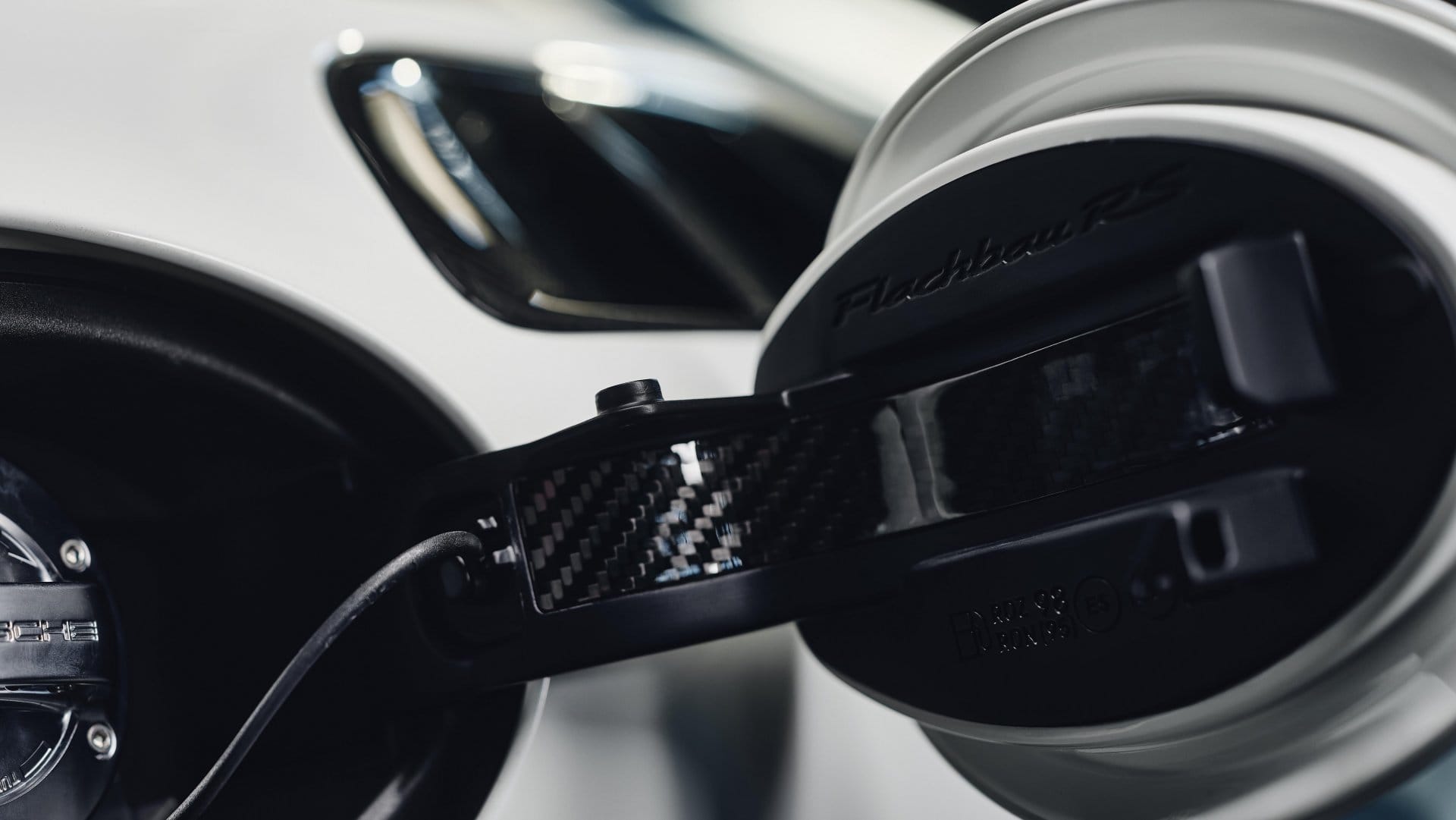
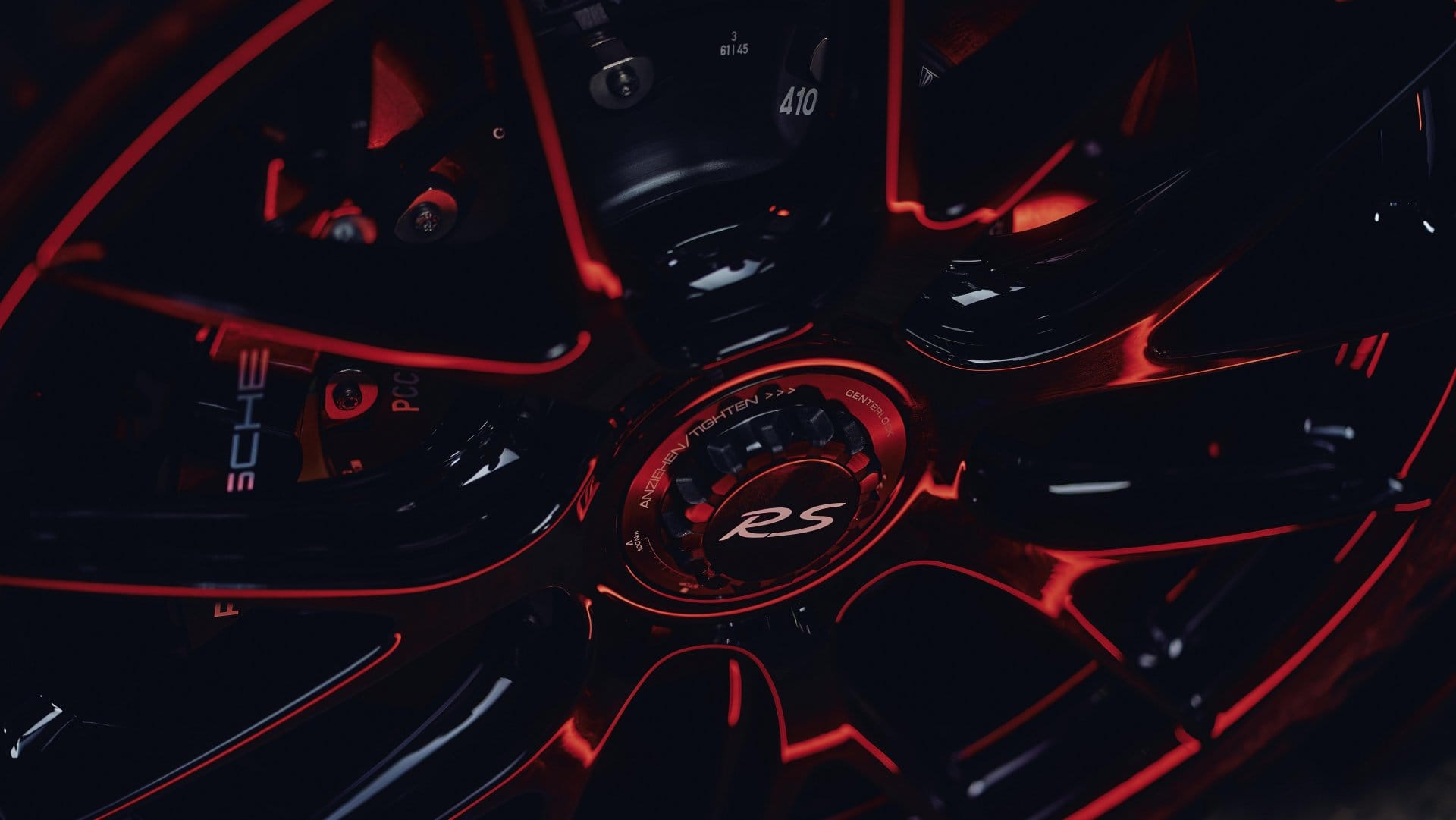
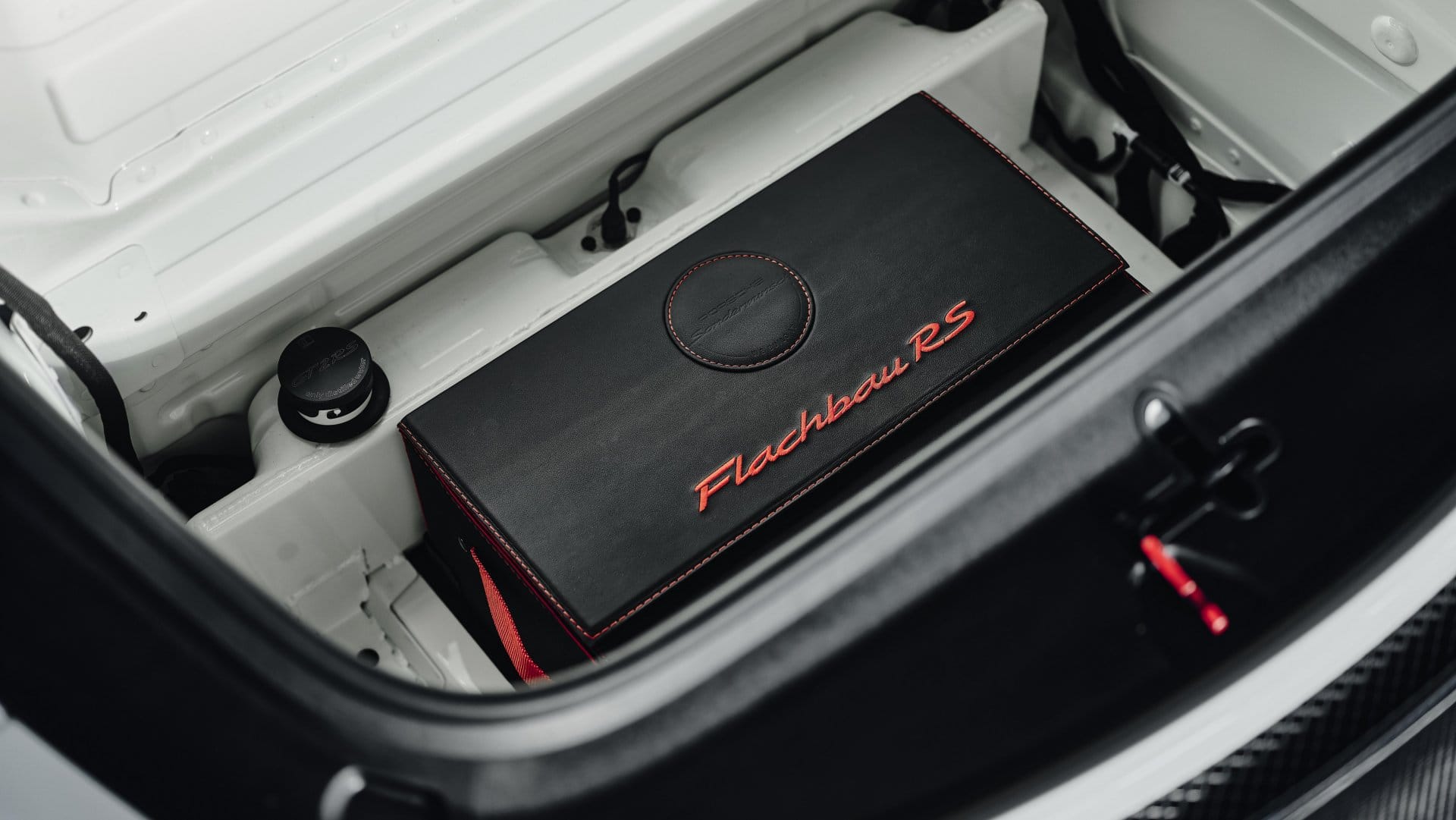
The rear wheels wear carbon-fiber aerodiscs that cut drag, and inside sit carbon-fiber bucket seats with carbon trim on select surfaces like the armrest extension. Porsche's own detail images even show a carbon weave on the fuel filler flap tether, embossed with "Flachbau RS."
Interior With Rare Touches
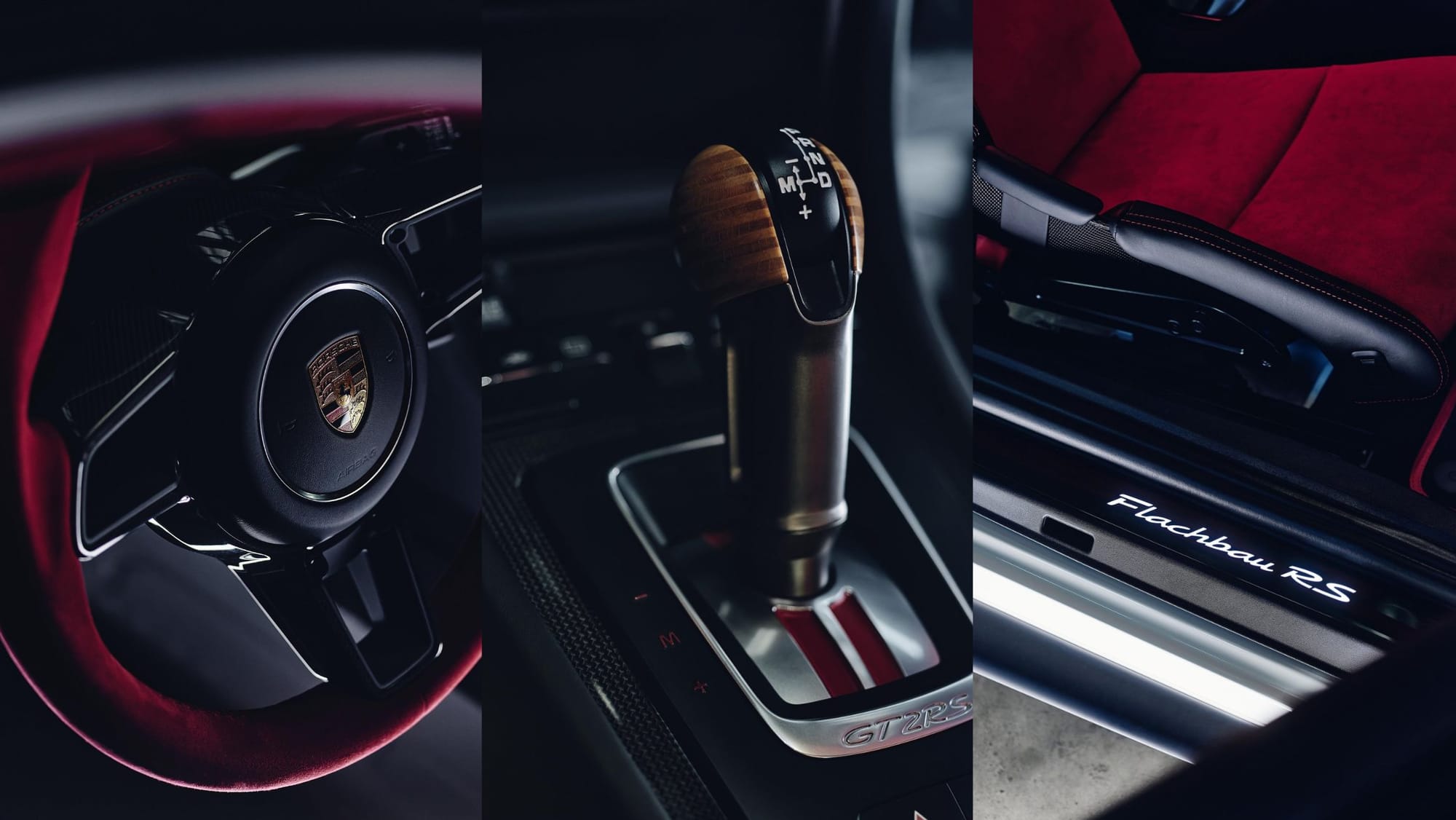
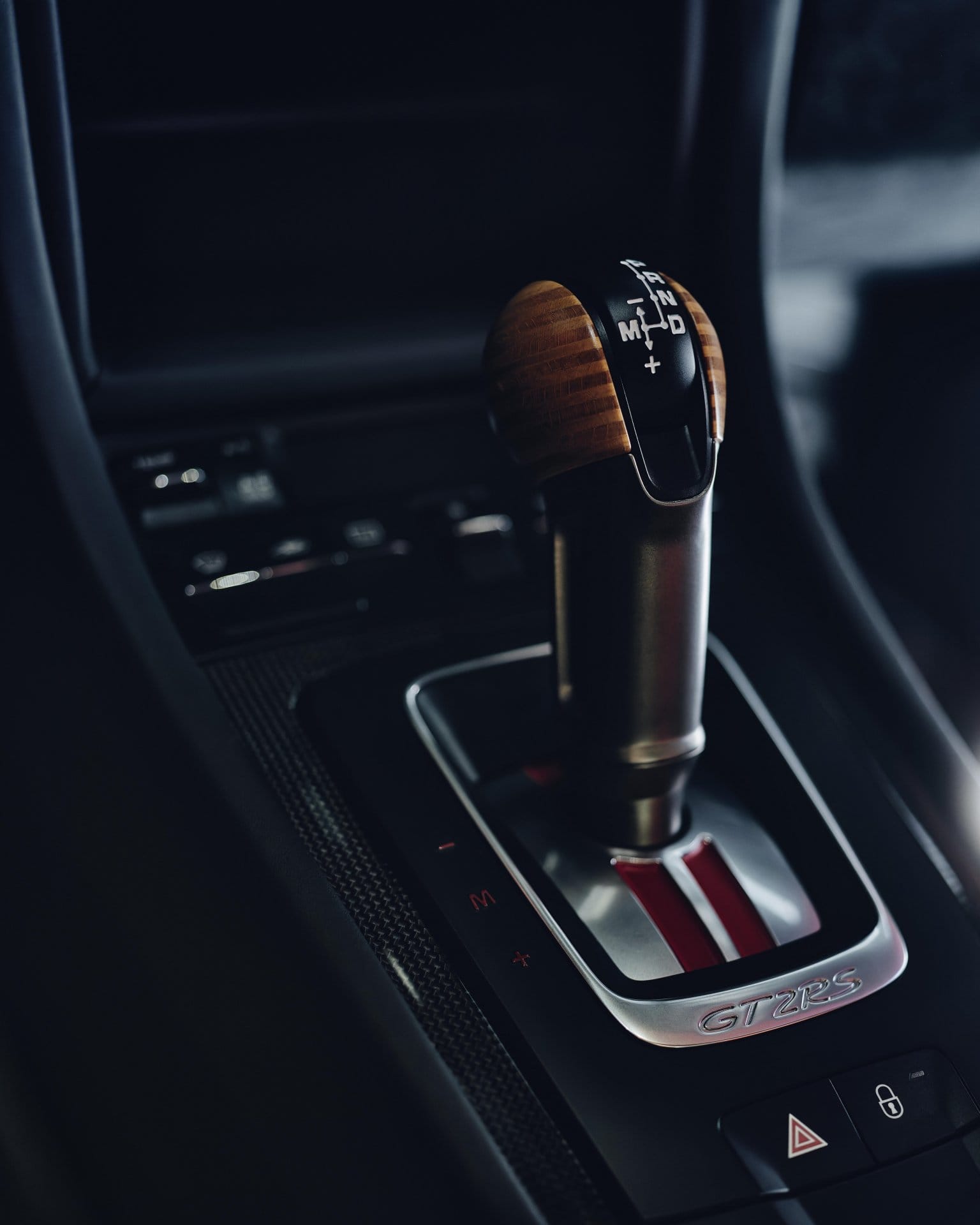
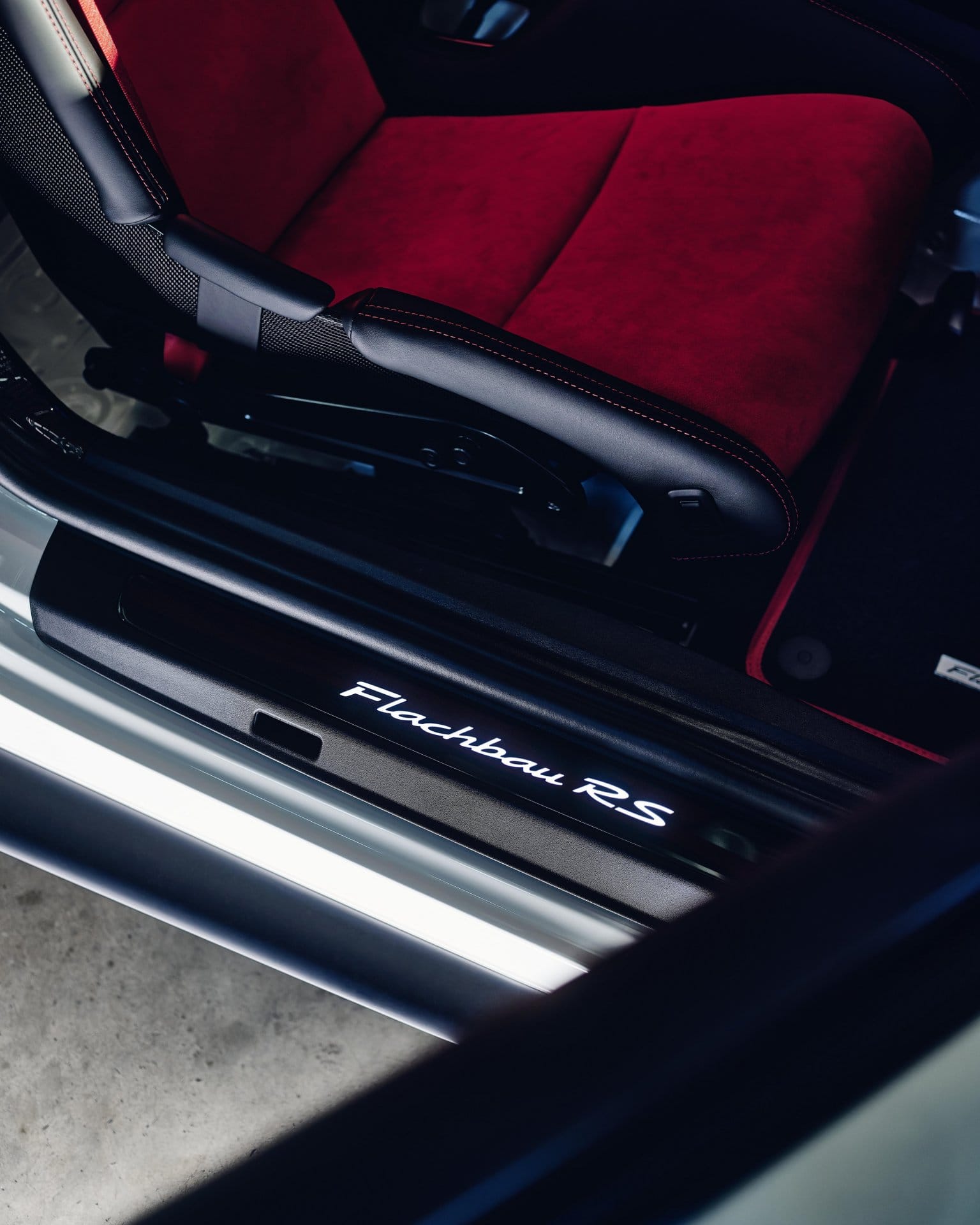
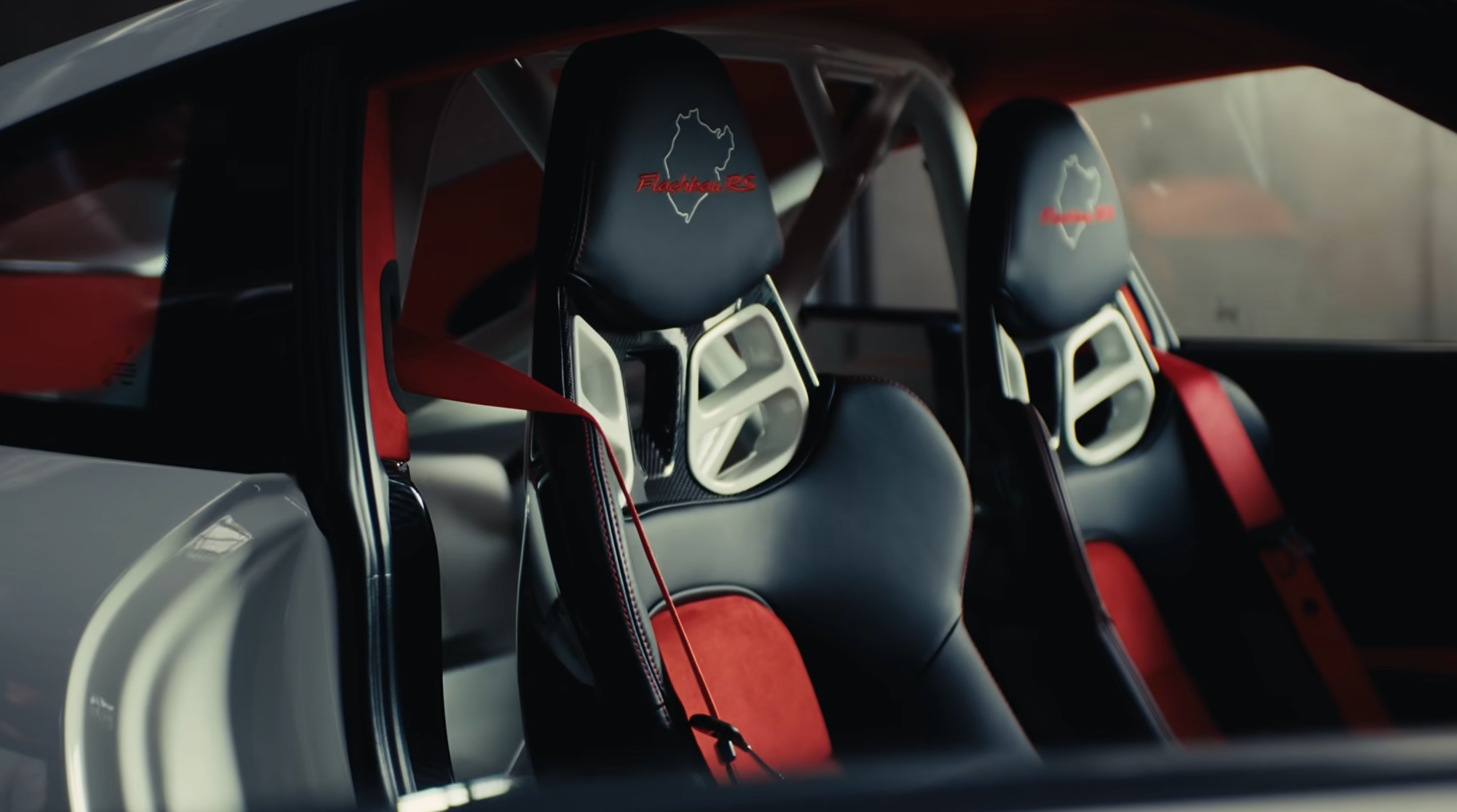
The front of the cabin keeps the red Alcantara, black leather, and carbon fiber from the 911 GT2 RS. Behind the seats, the cabin is stripped like a race car. The PCM infotainment and audio are gone, sound-deadening and floor coverings are largely removed, and much of the exposed metal is painted Grand Prix White with the rewired harness left visible.
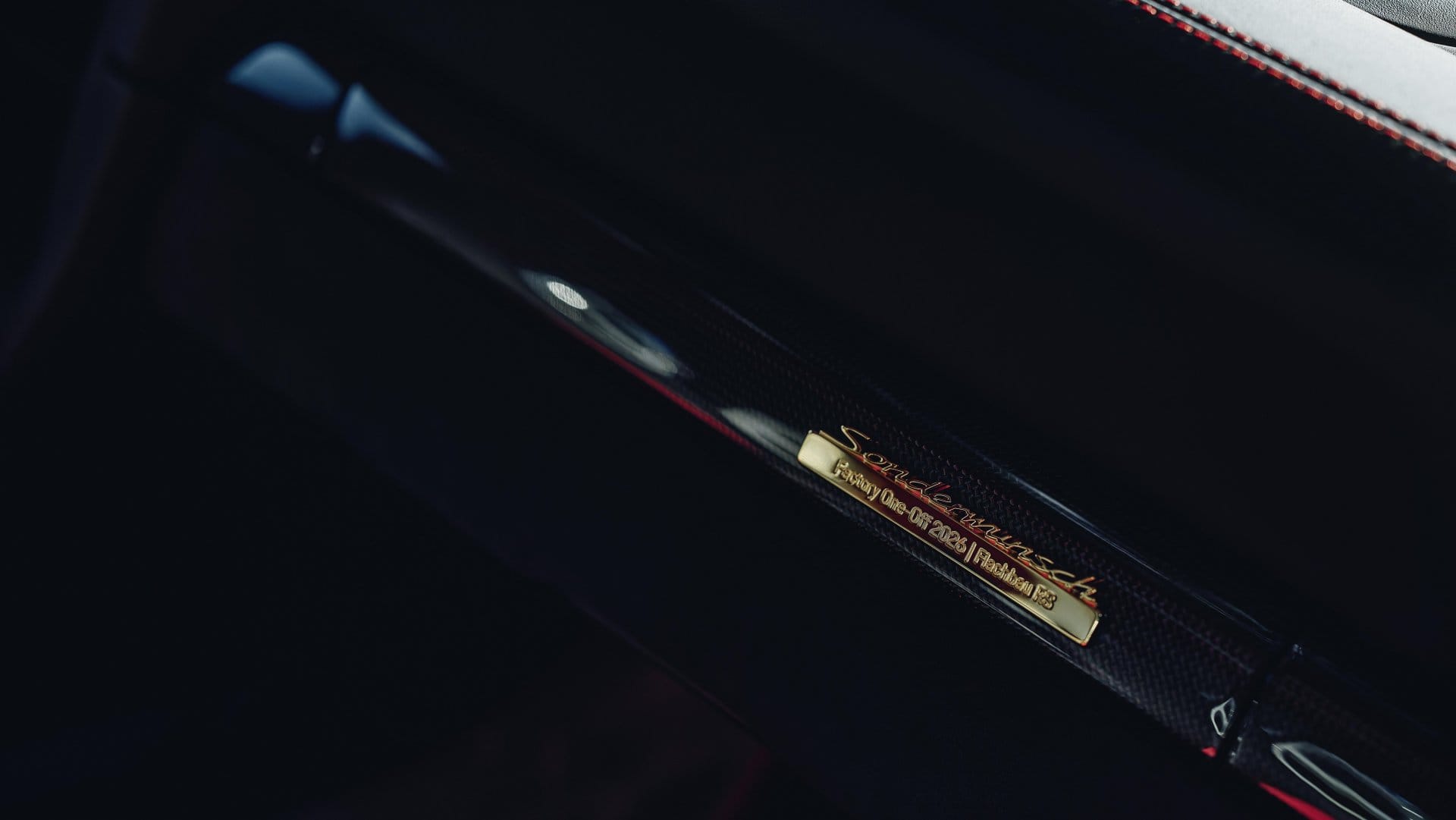
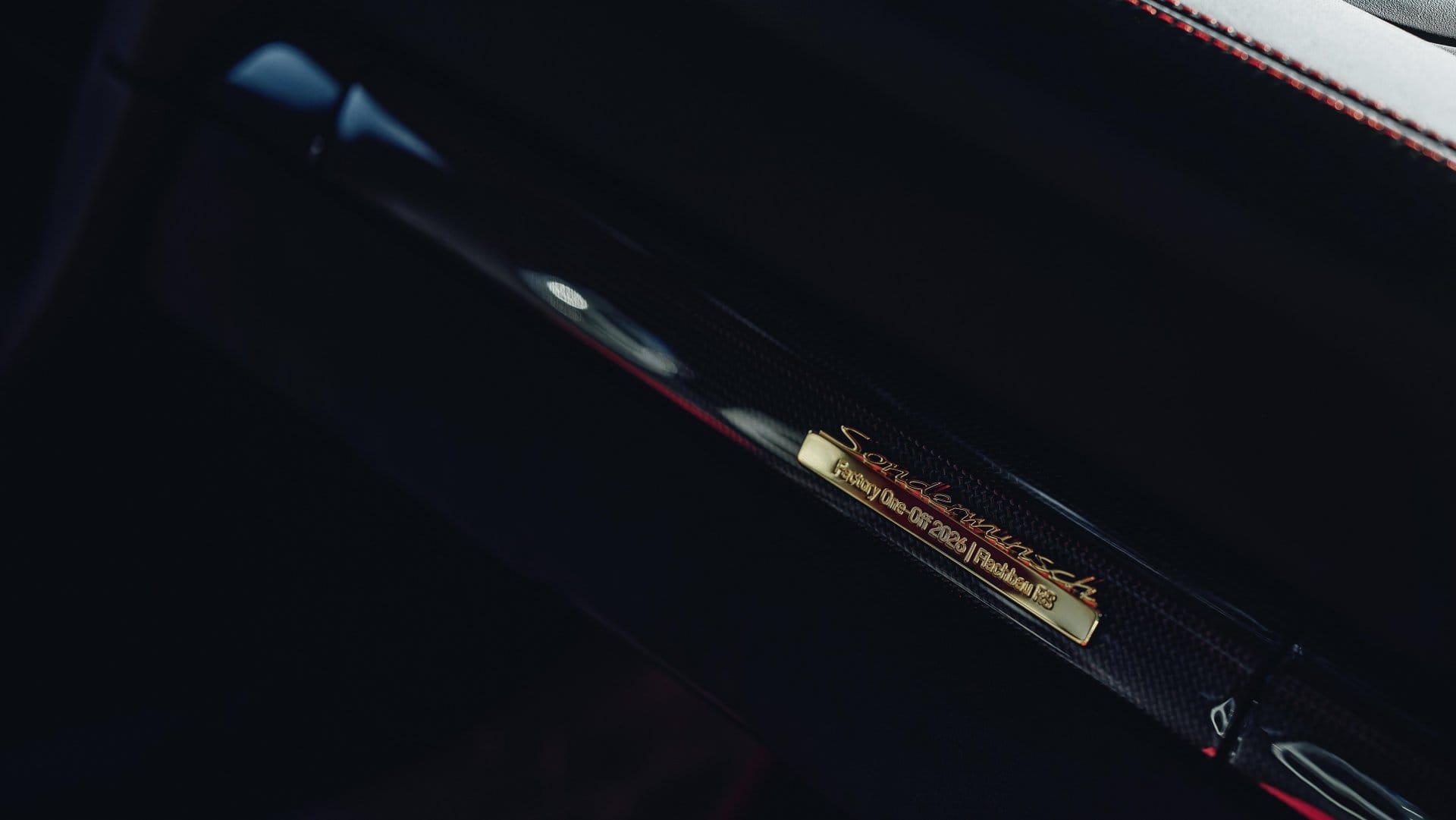
The carbon-fiber bucket seats wear "Flachbau RS" embroidery on the headrests with the stylized outline of the Nürburgring-Nordschleife behind it. On the passenger side, the dashboard carries a gold Sonderwunsch badge engraved "Factory One-Off 2026 | Flachbau RS."
Nürburgring Testing
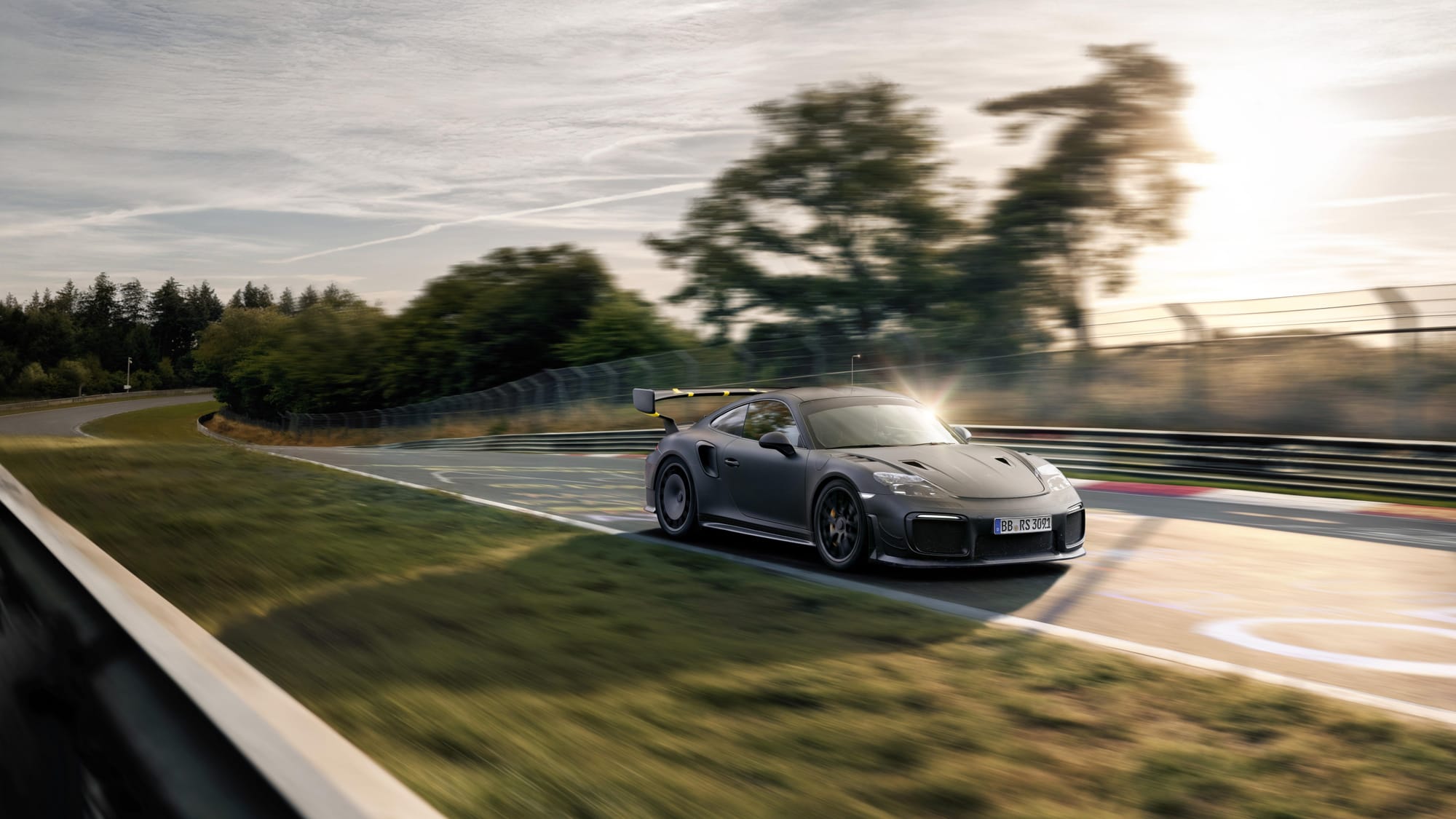
Porsche built three test cars and ran them through lighting and wind tunnels, 50 laps of the Nürburgring-Nordschleife, and endurance testing at Weissach that simulated roughly 93,000 miles of customer use.
Media: Porsche Newsroom
Porsche Flachbau RS - Media: Porsche Newsroom