
How Stellantis Is Driving the Future of Chrysler, Dodge, Jeep, and Ram

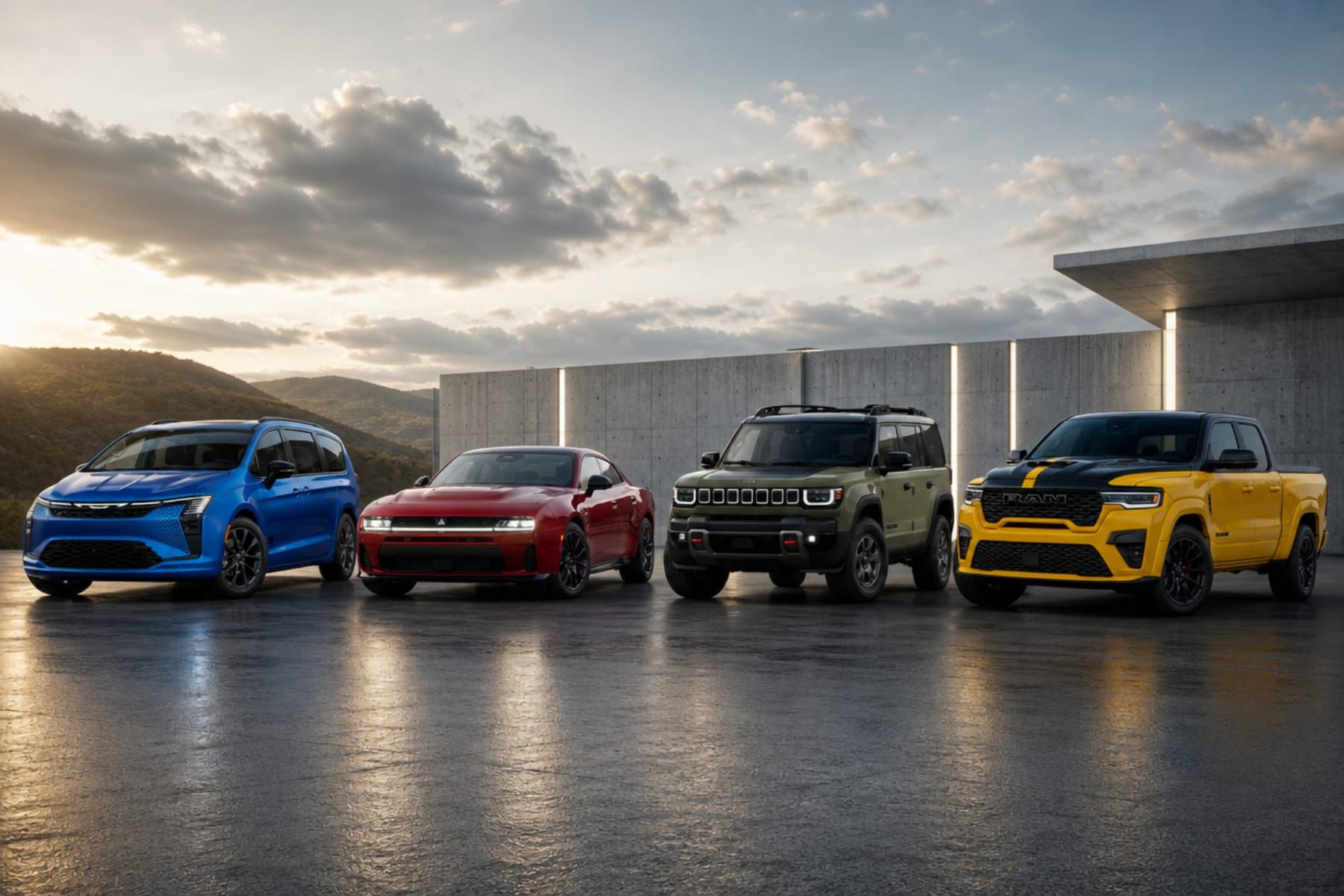
Stellantis is one of the world's largest automakers, home to 14 brands sold in more than 130 countries, including American icons like Ram, Jeep, Chrysler, and Dodge. In 2026, under new CEO Antonio Filosa, the company is rethinking how it designs, builds, and powers its vehicles.

The Discover Stellantis Series
Discover Stellantis is a behind-the-scenes video series that takes viewers inside Stellantis, highlighting the people and engineering behind the vehicles. In the series, executives, designers, and historians from Chrysler, Dodge, Jeep, and Ram share how decades of innovation and customer feedback shape what each brand builds next.
Designed to Make You Feel
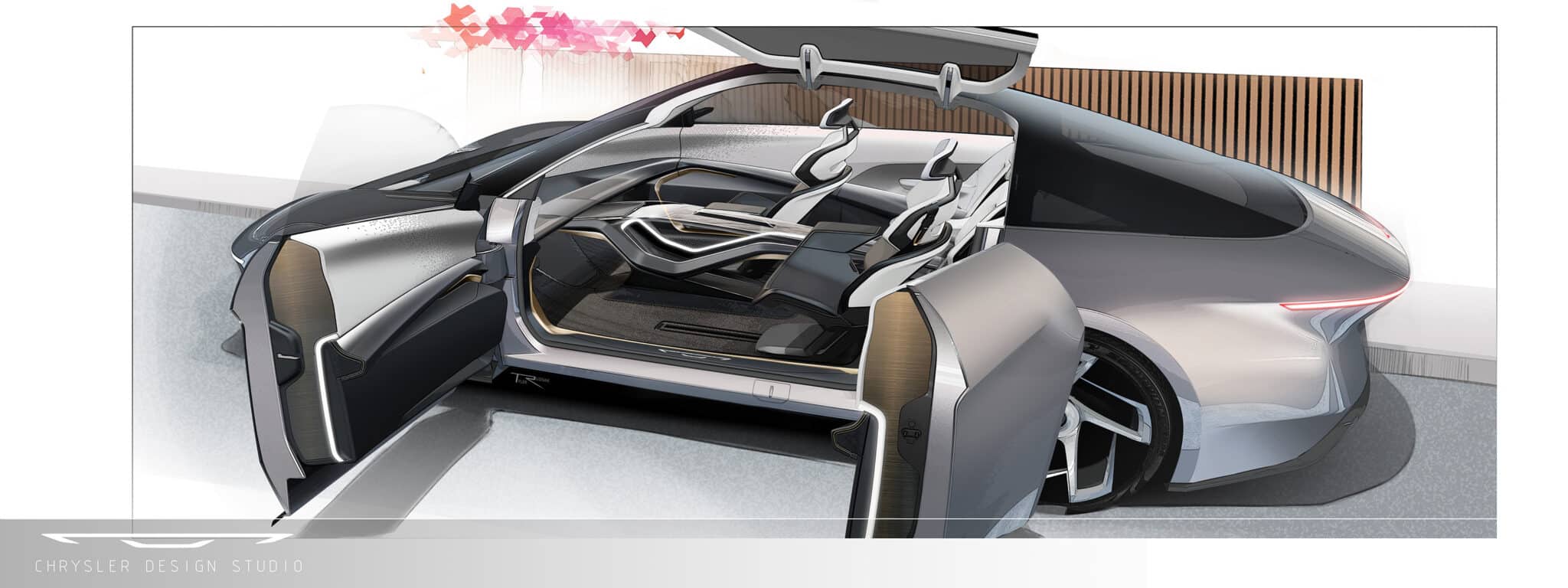
Every Stellantis vehicle begins inside its global design organization, led by Chief Design Officer Ralph Gilles. More than 2,000 designers, modelers, and UX experts work across six studios worldwide. Scott Krugger heads North America and Gilles Vidal heads Europe. The designers say they start with a conversation about how a car should make someone feel before anyone draws a line.
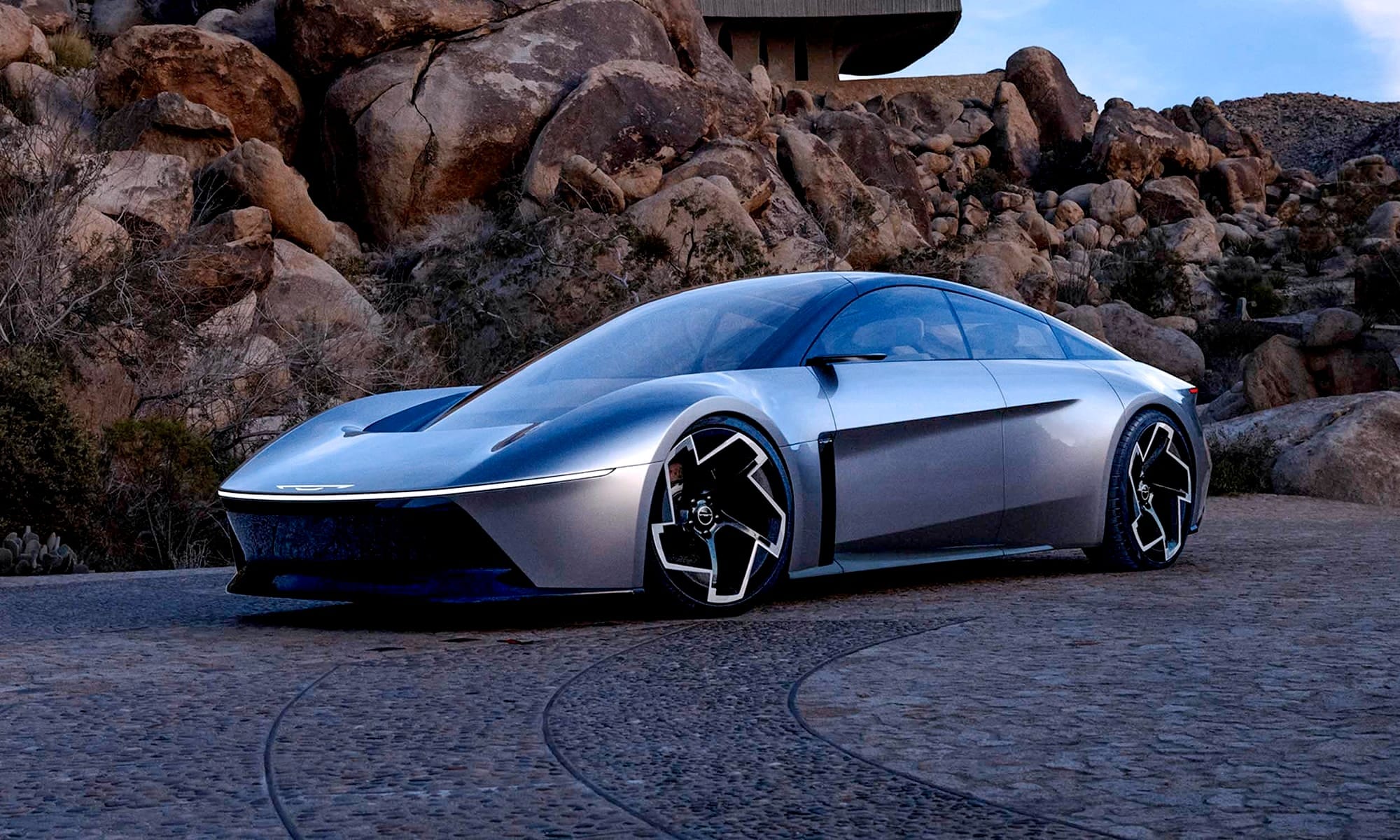
From there, they focus on every detail. The Chrysler Halcyon Concept is one example. Its badging is waterjet-cut from recycled CD composites, a nod to Detroit's musical heritage. As one designer puts it, when you buy the vehicle, you can feel the soul in it. Stellantis has been building that feeling into its vehicles for over a century.
Ram Builds Around How People Use Their Trucks
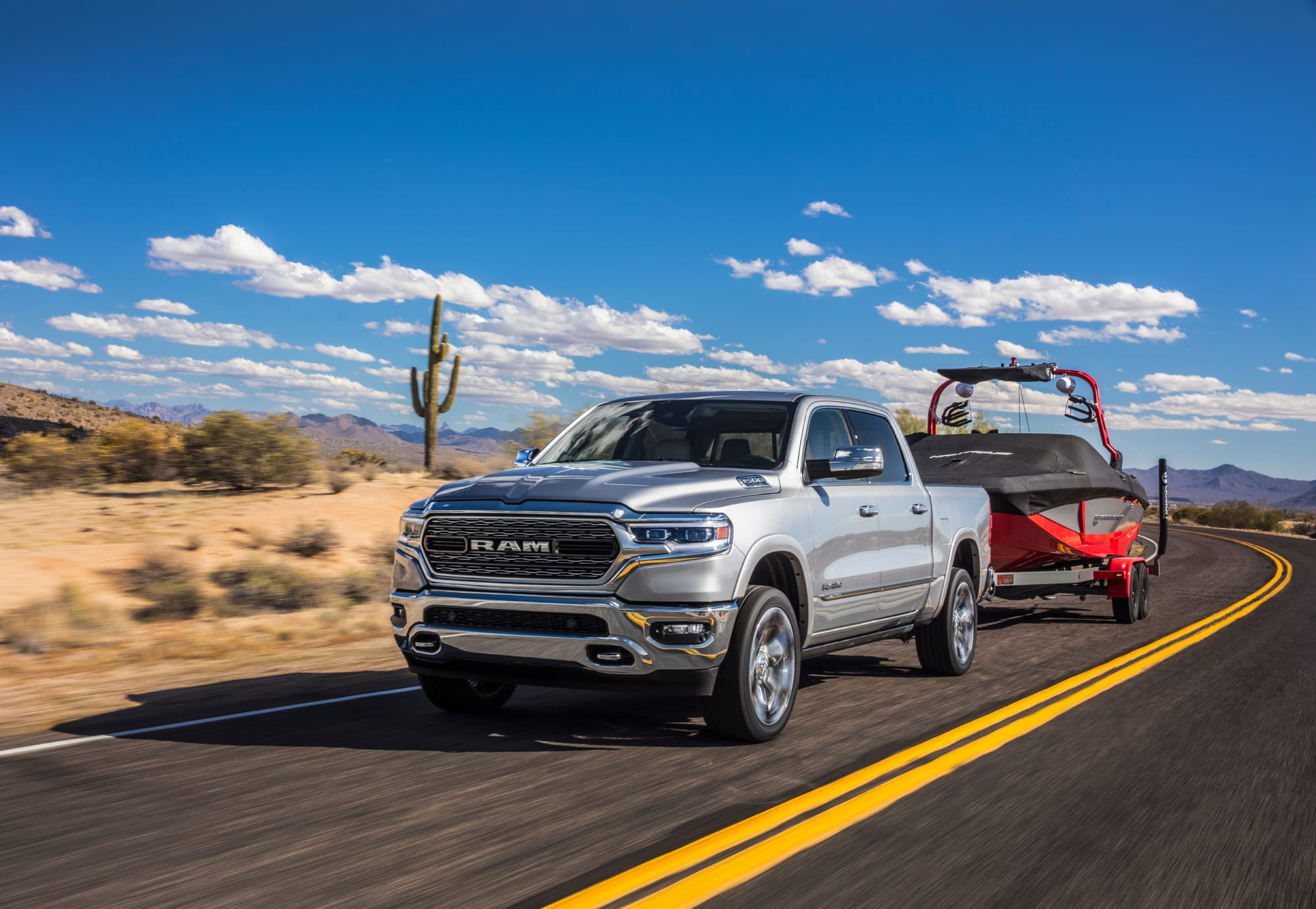
Doug Killian, Chief Vehicle Synthesis Manager for the Truck Segment, shares how Ram means something different to every buyer, from the job site to the trail. He explains how his team studies the way people really use their trucks, including things Ram never engineered for, and brings that feedback back into development.
Ram International Operations Director Kyu-min Oh puts it simply: "Ram buyers want power, they want the aggressive looks, they want to stand out and command the road."
When Customers Speak, the Company Listens
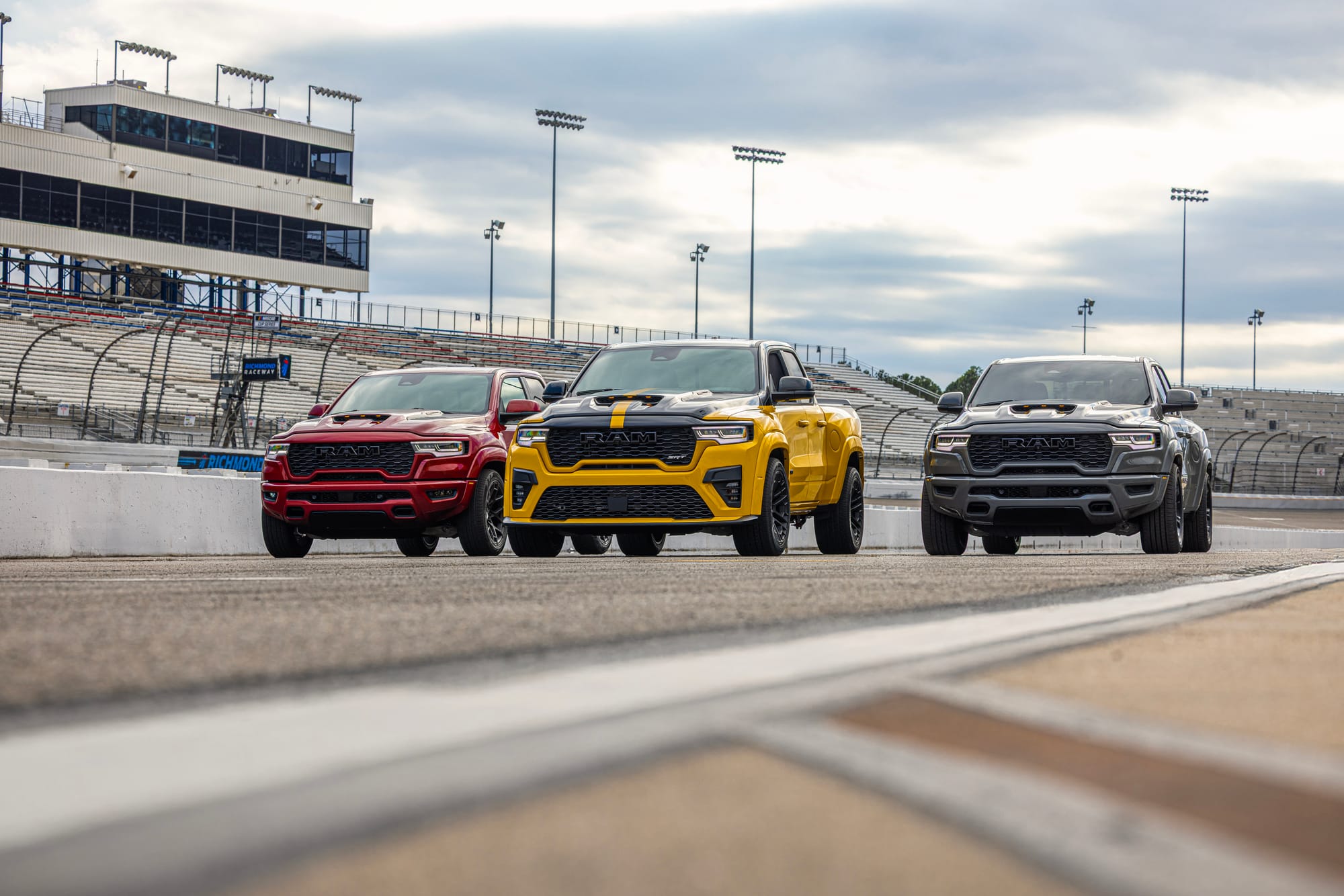
Ram had lost pickup buyers by dropping the V8 from its lineup, so the team put the 5.7-liter HEMI V8 back. The Ram 1500 HEMI V8 eTorque was named a finalist for 2026 North American Truck of the Year, and the V8 now anchors a new performance line, the Rumble Bee muscle trucks, which start at $59,995 and climb to the 777-horsepower Rumble Bee SRT at $94,995.
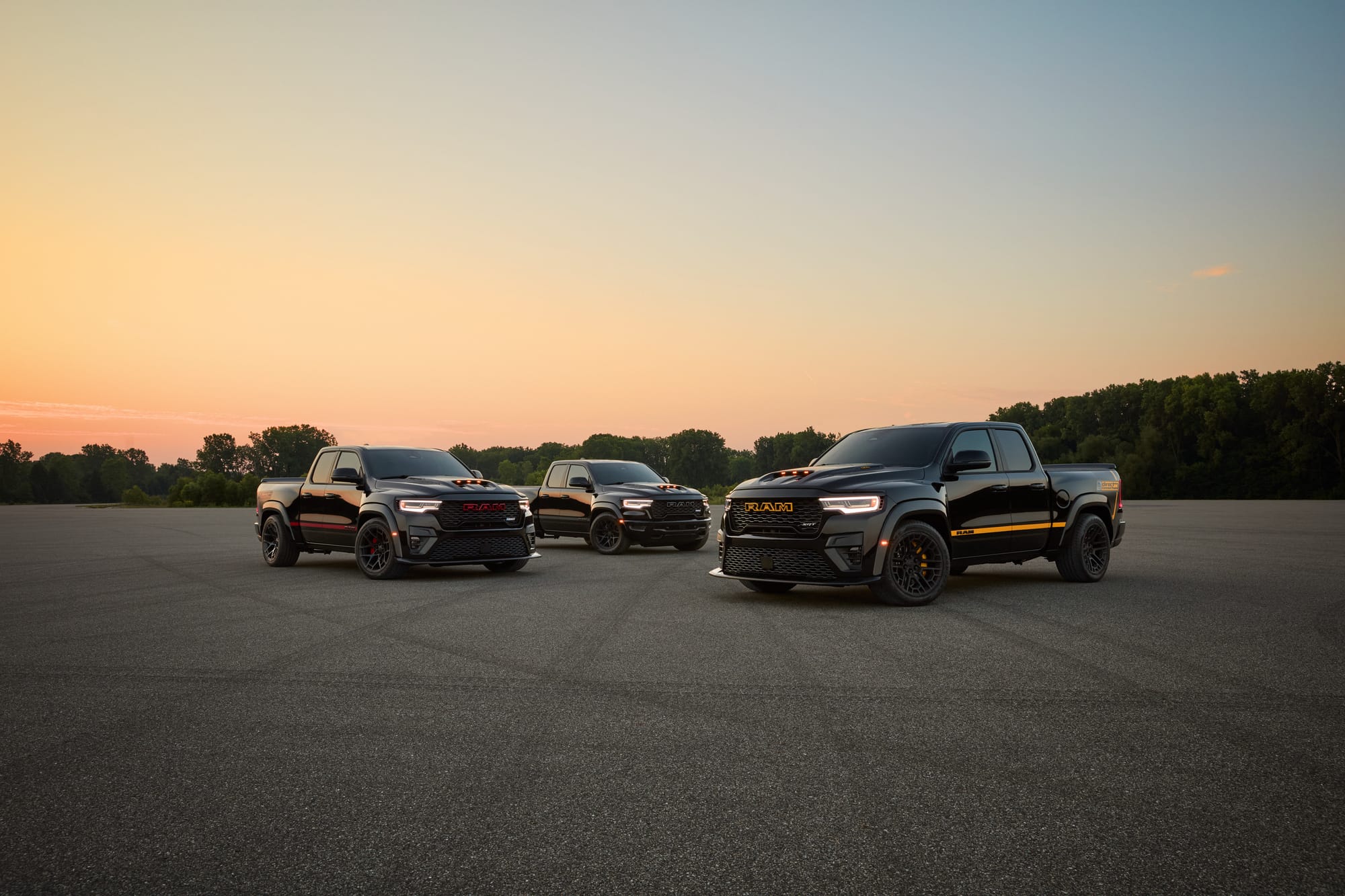
Owners who want more can turn to Direct Connection, Ram's factory performance parts catalog, where a $10,995 supercharger kit pushes the SRT past 900 horsepower.
40 Years Later, Chrysler Still Rules the Minivan
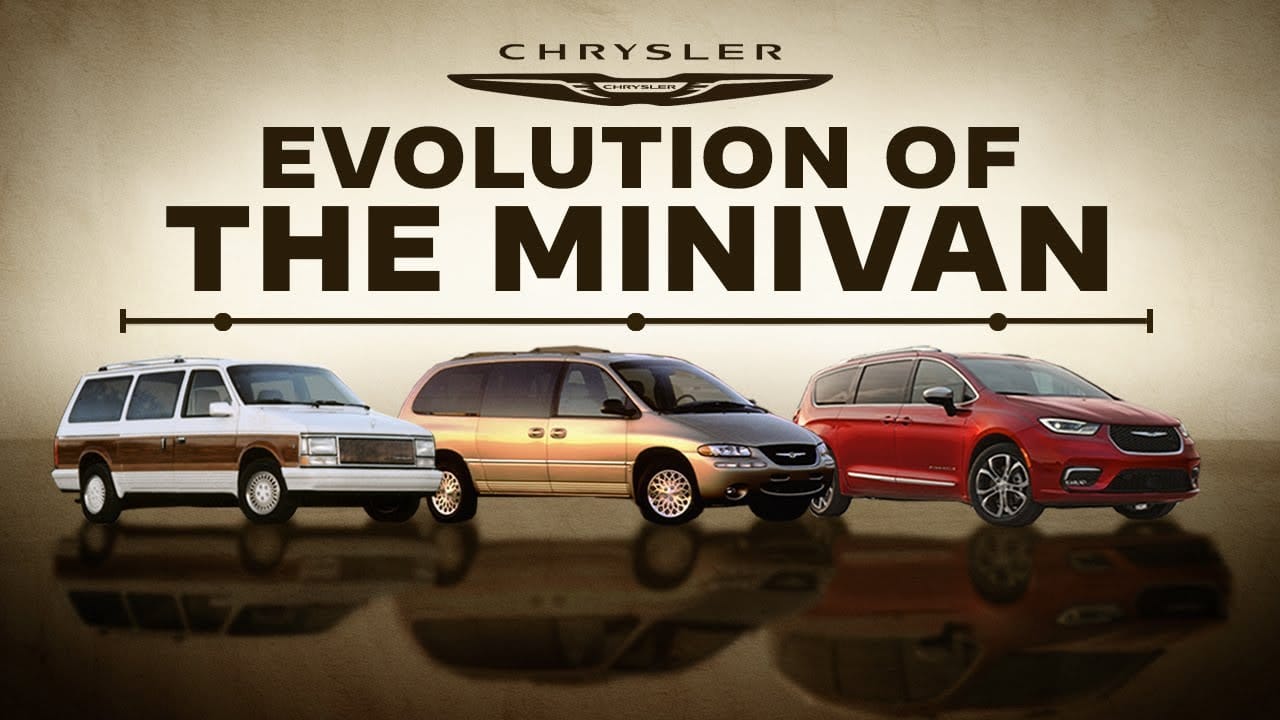
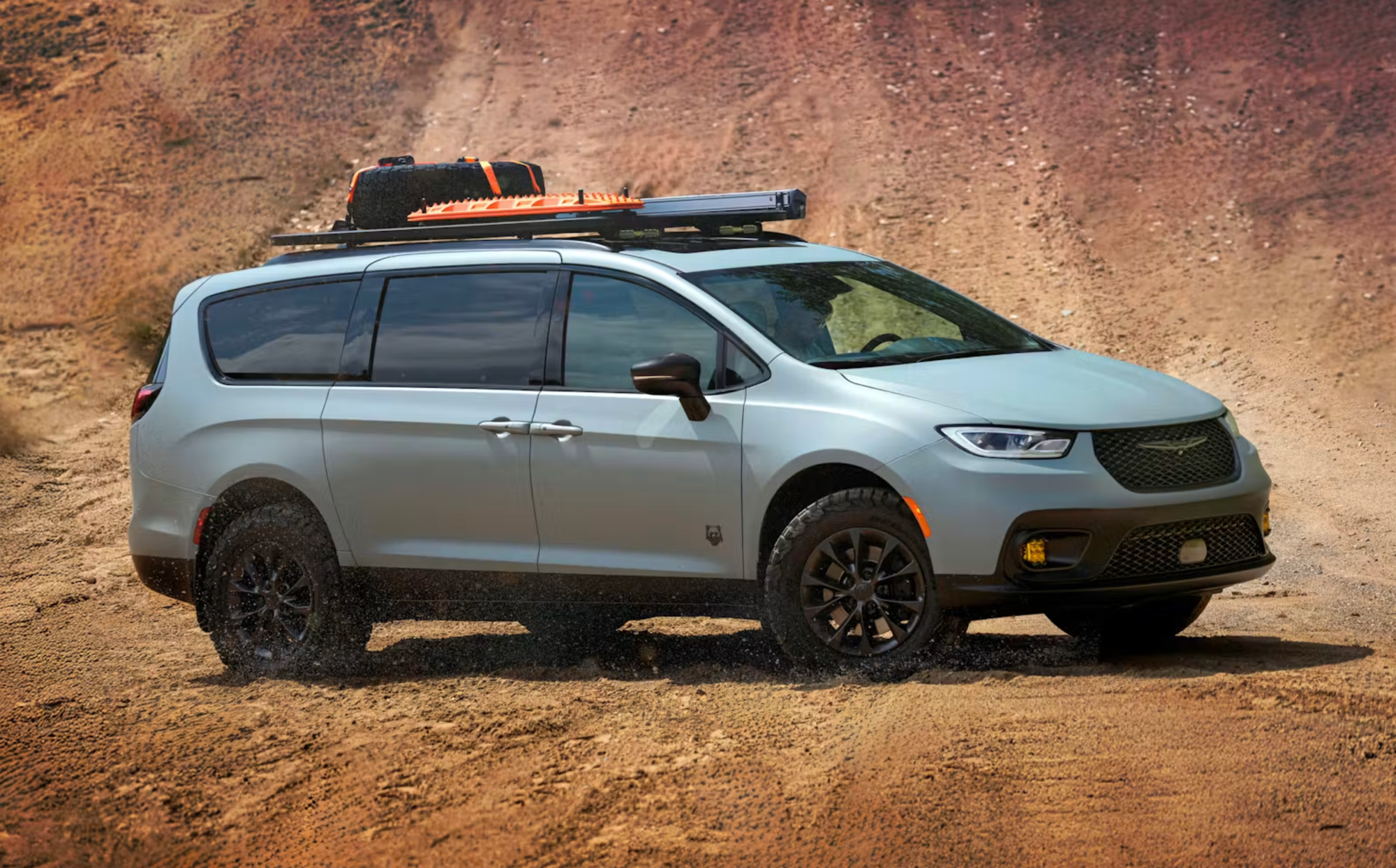
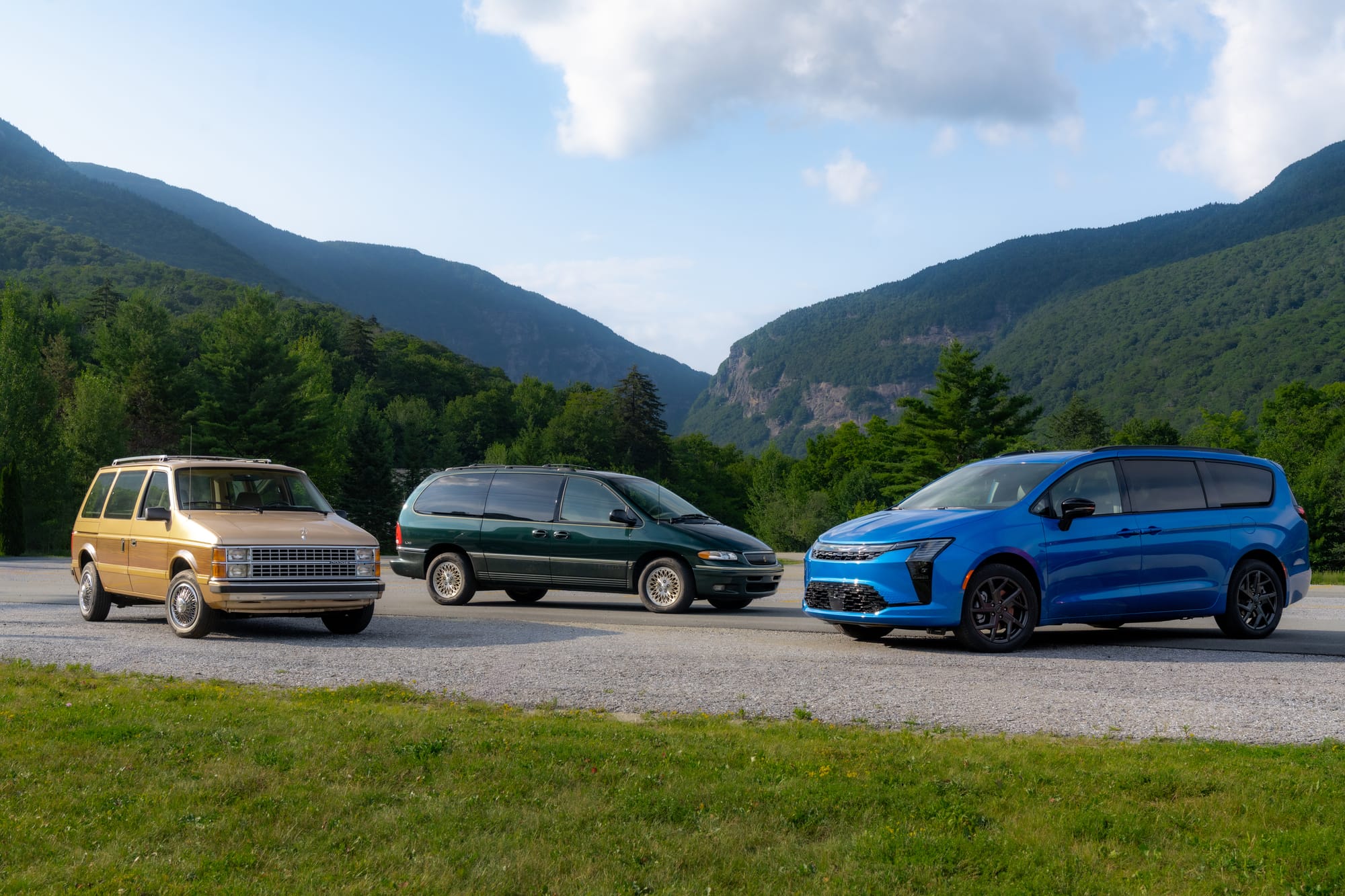
Emily Pehling, Chrysler's Product Planning Manager, points to the brand's minivan legacy. Chrysler has sold more than 16.5 million minivans since inventing the segment for the 1984 model year. She frames concepts like Grizzly Peak as proof the brand keeps reimagining what a Pacifica can be, honoring the heritage while pushing it somewhere new.
The Chrysler Pacifica Opens Doors Other Vehicles Can't
Mike Powers, Director of Sales Operations for Chrysler, shares a personal reason the work matters. His five-year-old daughter uses a wheelchair, and a handicap-outfitted Pacifica gave their family options that are hard to find anywhere else. It's a reminder that mobility has to work for everyone, not just the average buyer.
Heritage That Still Drives the Brands
That balance of history and reinvention runs through the whole vehicle lineup. The history goes back more than a century, from the first Dodge built by John and Horace Dodge in 1914 to the launch of Chrysler in 1925, through Ram's performance line stretching from the 1964 Custom Sports Special to today's trucks.
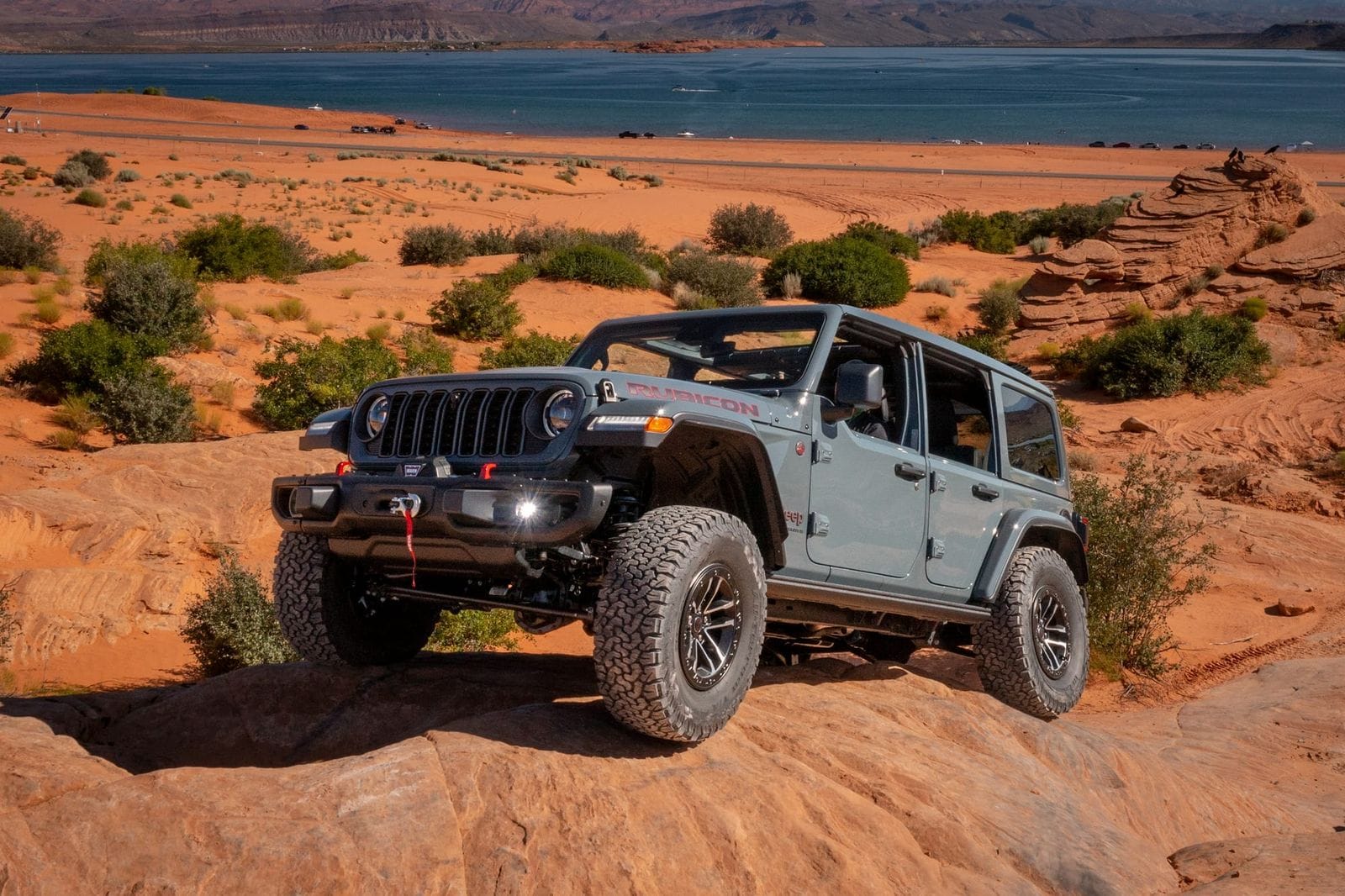
The people behind the brands talk about protecting signature cues like the Jeep seven-slot grille, Ram's dropped fender profile, and Dodge's muscle car DNA, then carrying them forward rather than leaving them in the past.
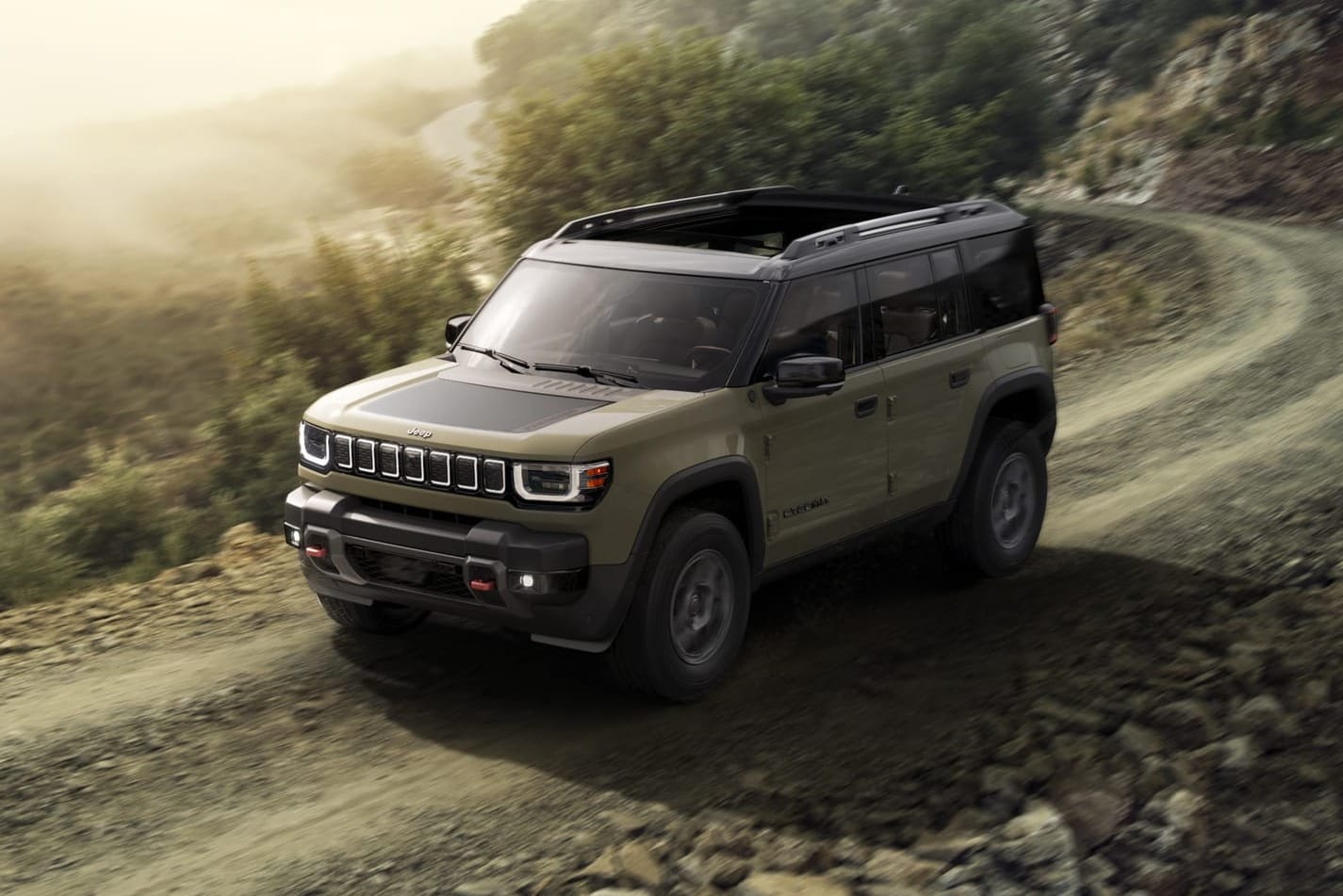
Jeep Grand Cherokee Brand Manager Kandice Keen points to the electric Jeep Recon as a case in point, reimagining the brand's boxy, rugged shape for an electrified era while keeping the Jeep DNA intact.

Stellantis Bets on Gas, Hybrid, and Electric
FaSTLAne 2030 is Stellantis' five-year plan to overhaul how it builds and powers its vehicles through the end of the decade. Laid out in May 2026, the €60 billion plan is built around being multi-energy rather than all-electric. At the core of FaSTLAne 2030 is STLA One, a modular architecture engineered to support gas, hybrid, and electric powertrains on a single platform.
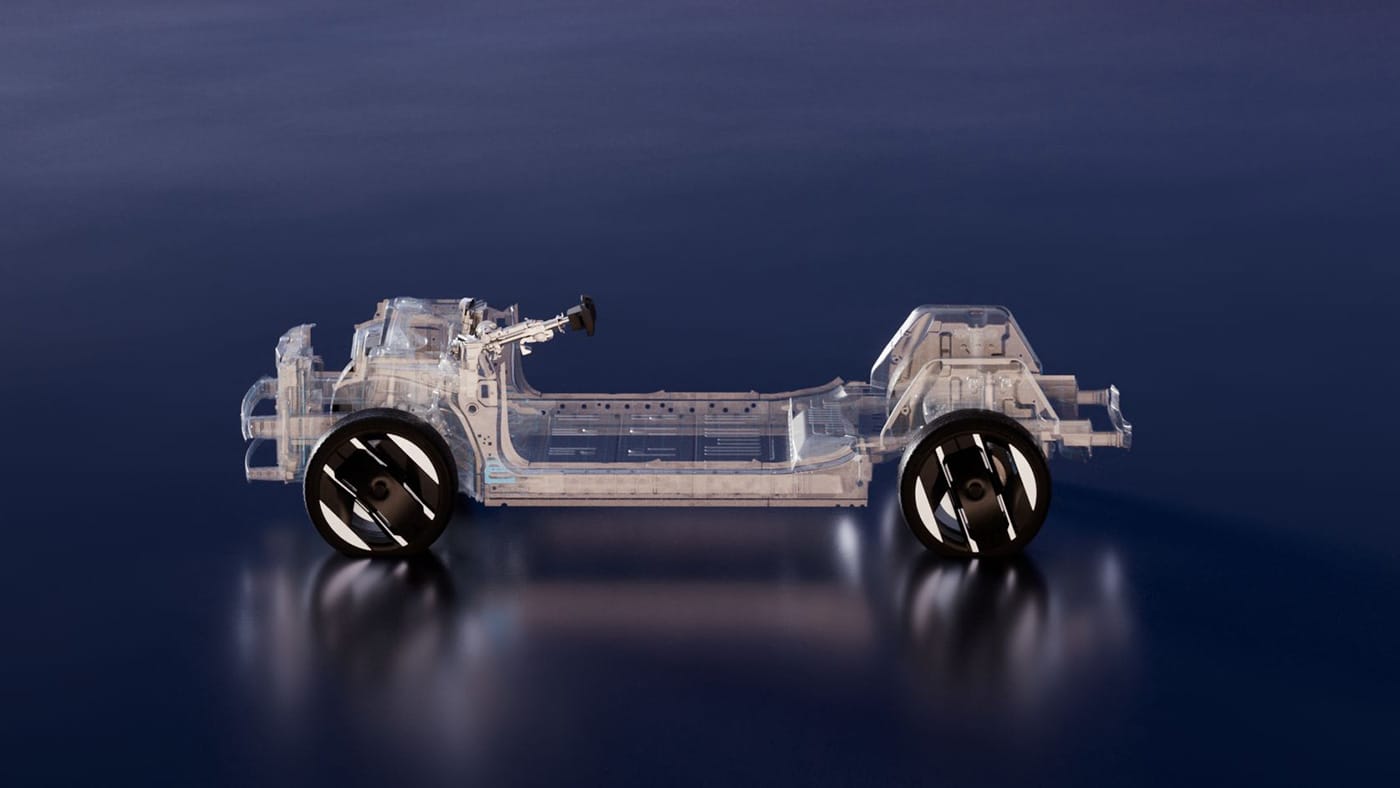
STLA One launches in 2027 and supports gas, hybrid, and electric versions of a vehicle without engineering a separate truck or SUV for each. Stellantis expects it to grow into a mega platform underpinning more than 30 models by 2035.
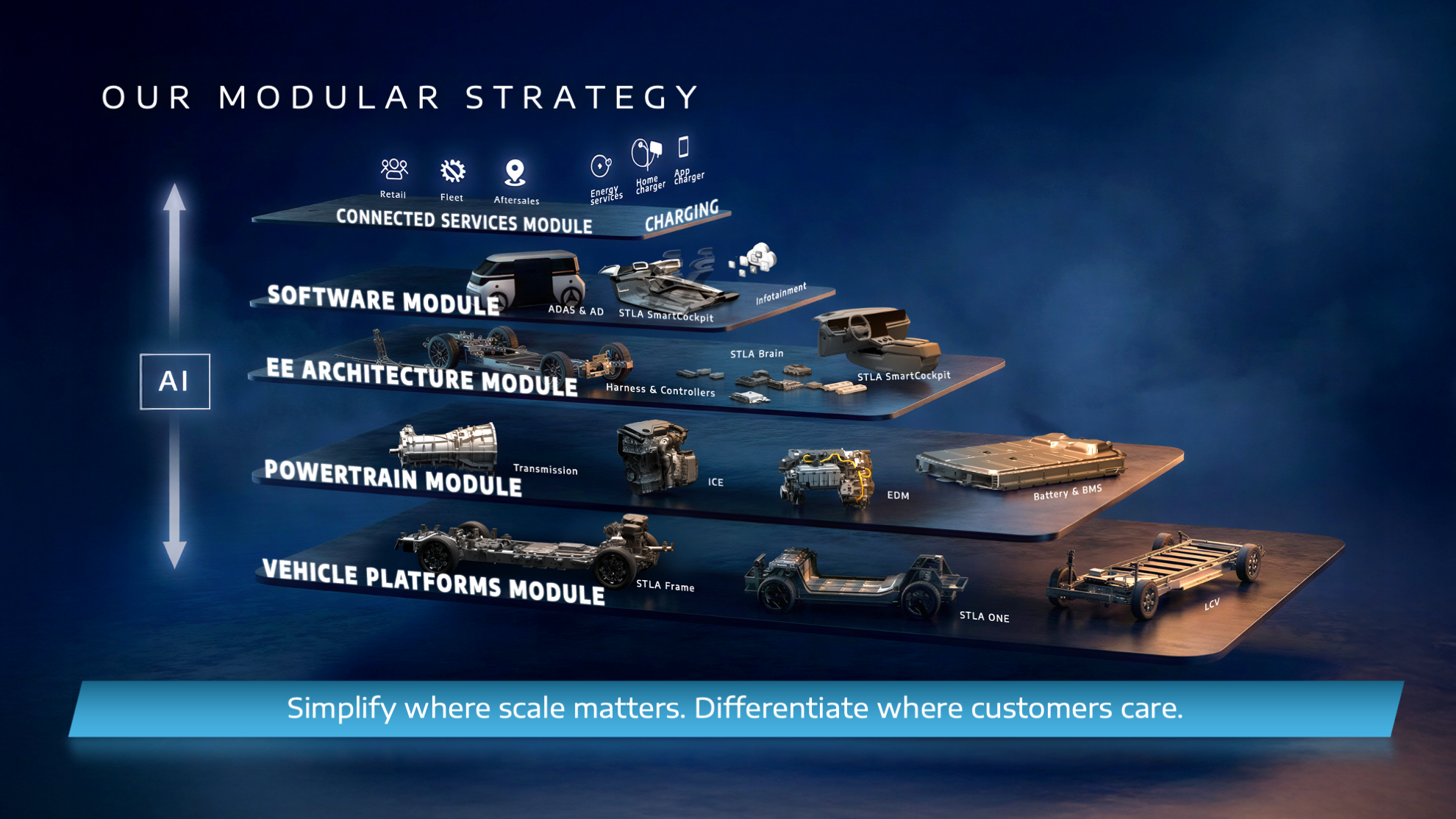
By 2030, Stellantis plans to build half its global volume on three shared platforms, including STLA One, which alone consolidates five older ones. Jeep and Ram are two of the four global brands set to get most investment from Stellantis, alongside Peugeot and Fiat, while Chrysler and Dodge focus on North America using the same hardware.
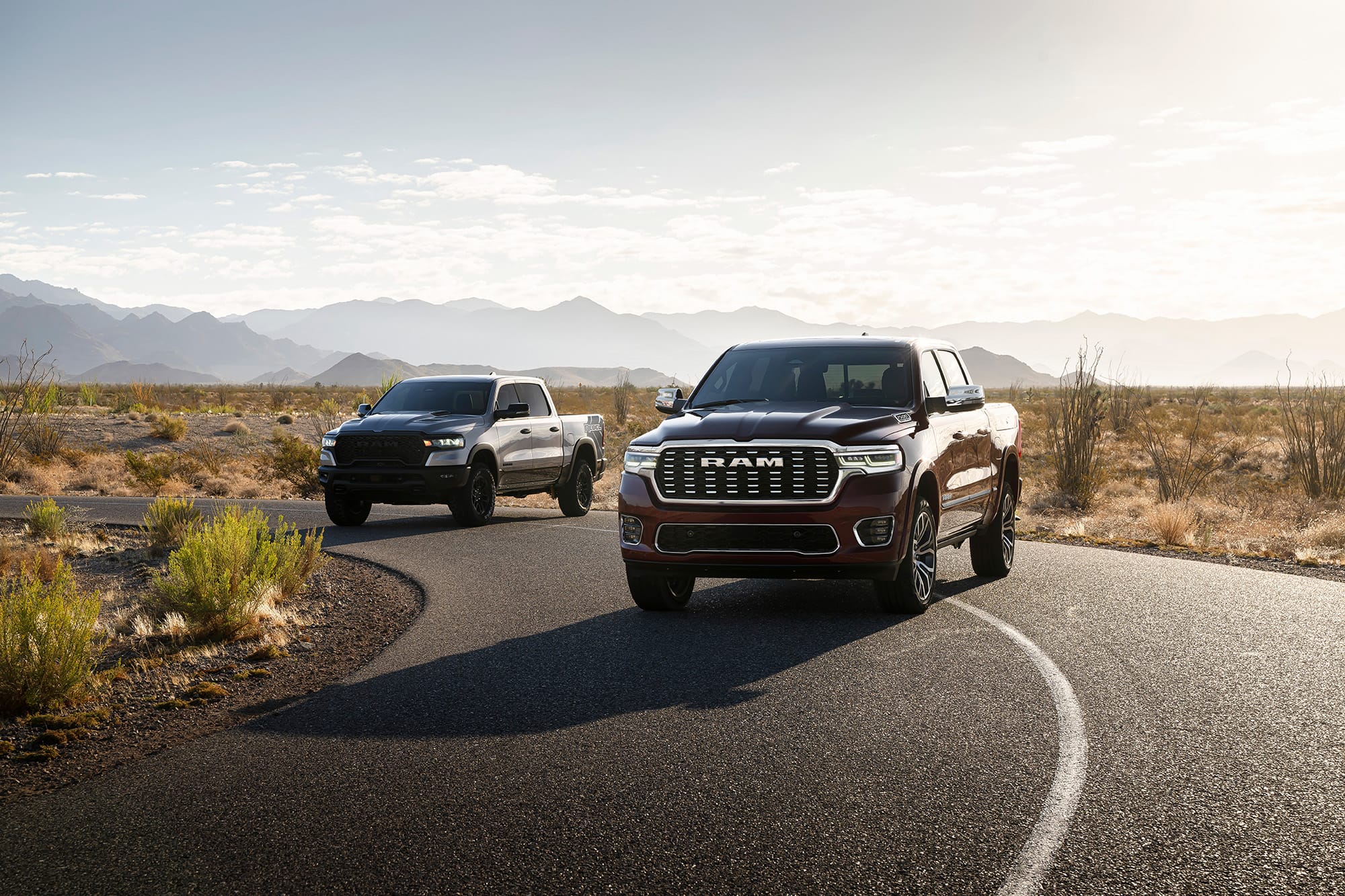
The goal is more choice for buyers and lower build costs for the company. STLA One covers subcompact, compact, and midsize cars and crossovers. Full-size trucks and SUVs like the Ram 1500 use a separate platform, STLA Frame, built for the towing and payload demands of bigger vehicles.
A Company Built to Adapt
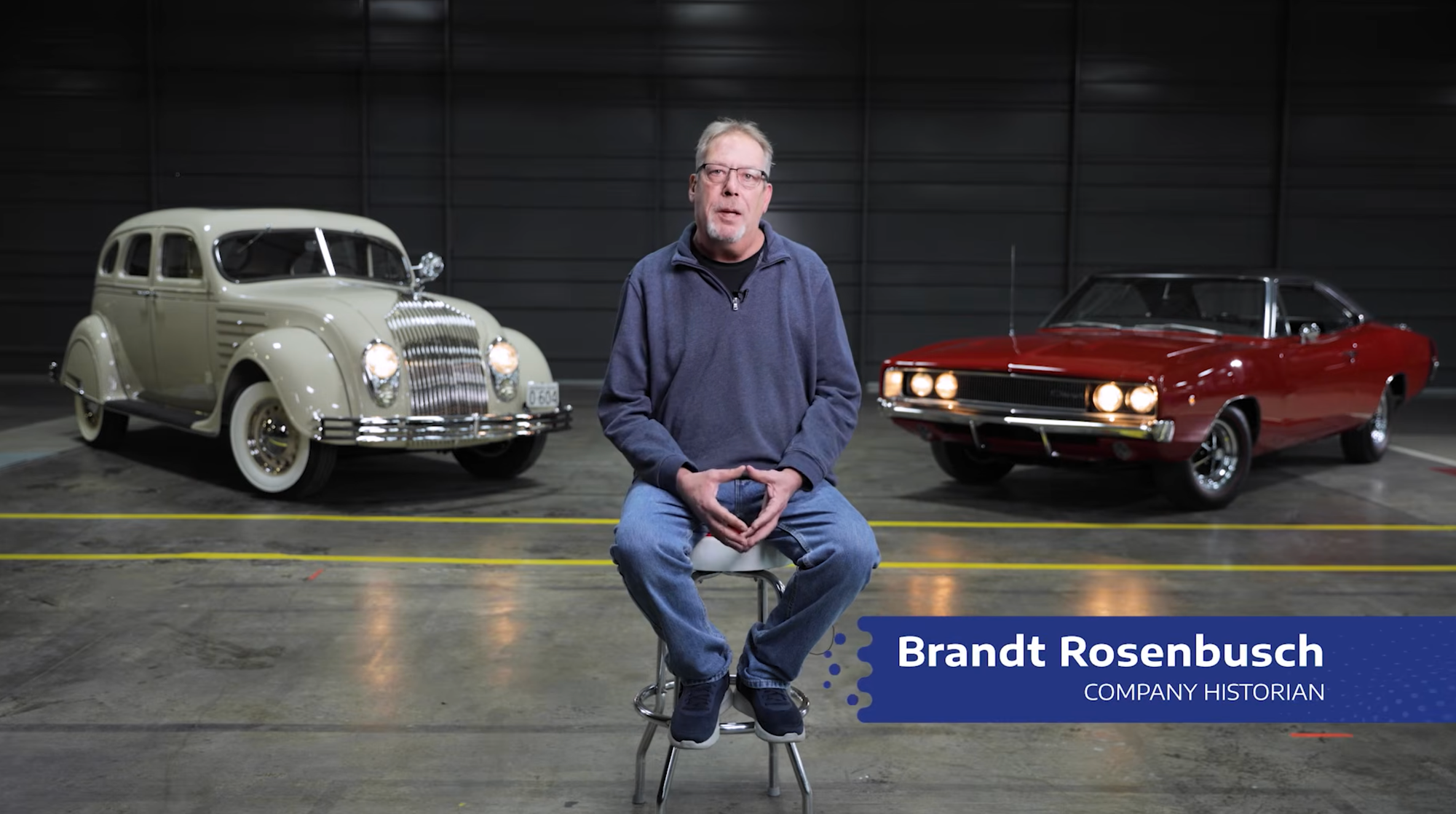
Company Historian Brandt Rosenbusch ties it together with the long view. He traces the through line back to Walter Chrysler's belief in continuous improvement and says that decades from now, this moment will read as another chapter in a company that adapted to a changing market.
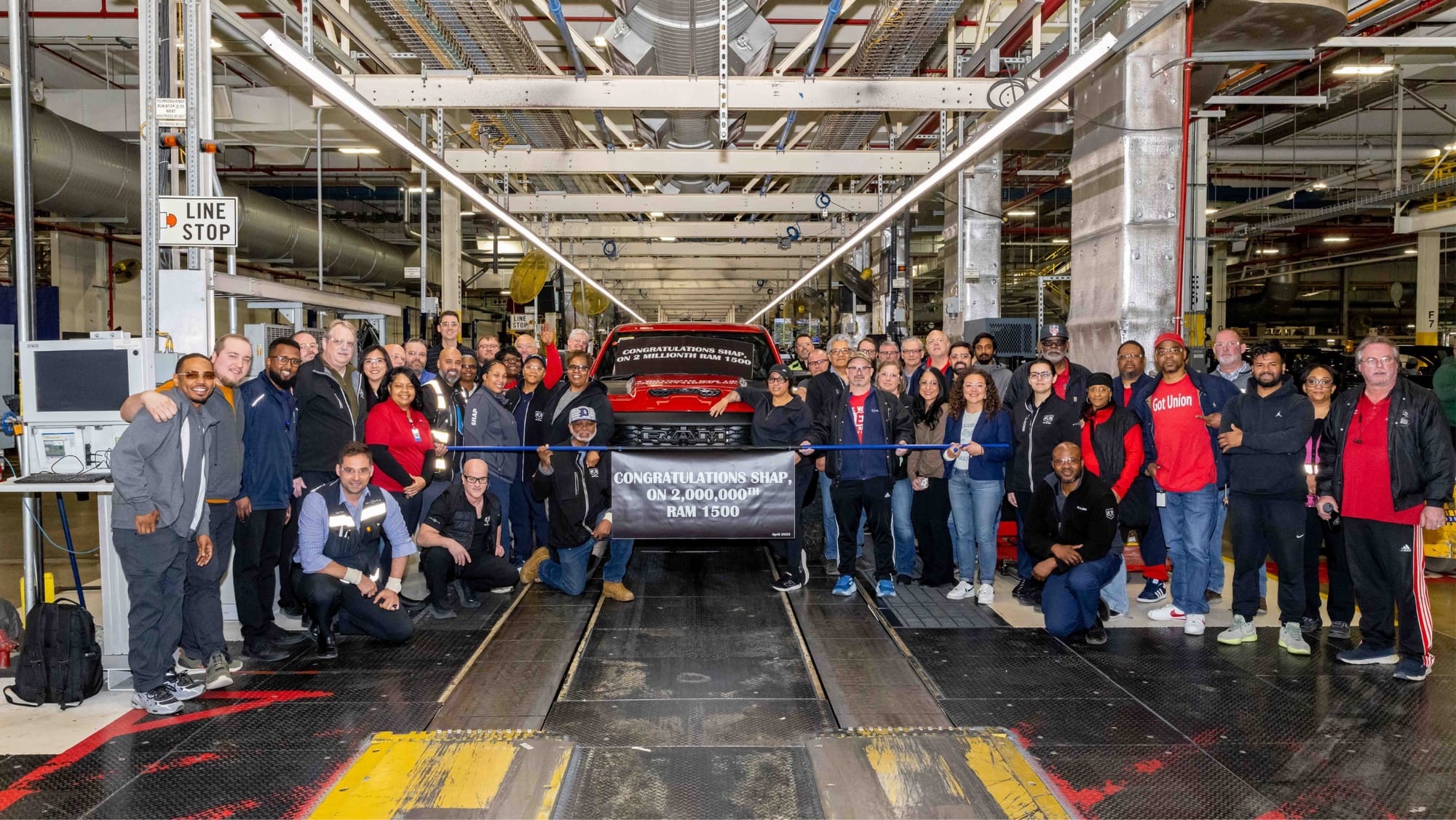
The pride and passion behind Stellantis vehicles also show up on the plant floor. One worker says he was taught to build every car or truck as if the customer's own mother or grandmother would drive it. Stellantis is investing $13 billion in new products, plants, and people across North America.

60 New Vehicles and What It Means for Drivers
FaSTLAne 2030 will bring more than 60 all-new vehicles across Stellantis brands by 2030, plus roughly 50 refreshed models, spanning gas, hybrid, and electric. North America gets 11 all-new models, including seven under $40,000 and two under $30,000. Shared, modular platforms help make that affordability possible. After years of rising prices, cheaper models may matter to buyers more than any new technology.
Watch the Series
The Discover Stellantis series has grown across the year, spotlighting the design studios, regions, and brands behind the vehicles. Together, the episodes show how customer feedback, deep heritage, and a multi-energy future come together across Chrysler, Dodge, Jeep, and Ram.
 Very Driver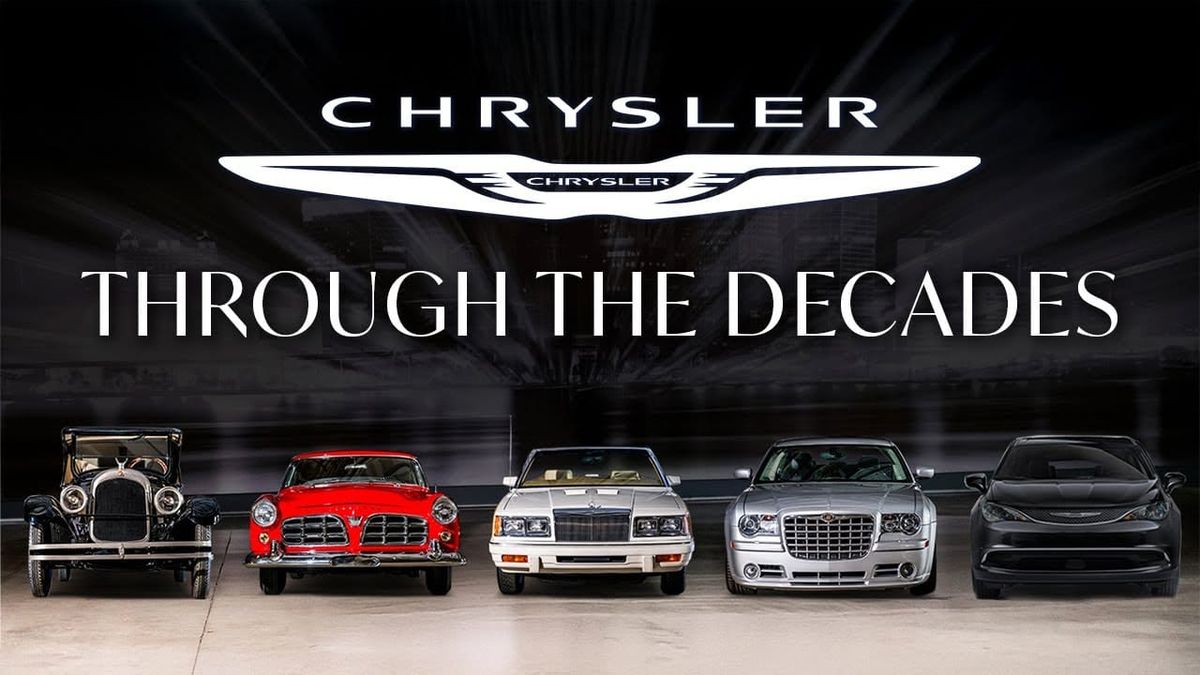
 Very Driver