
Drivers Are Keeping Their Vehicles Longer Than Ever

The average ownership period of a new vehicle in the United States is 8.4 years, with some models being held for 9.7 to 11.4 years. In 2008, new-vehicle owners kept their cars an average of 56.3 months, or about 4.7 years, according to R.L. Polk data published by the Department of Energy.

Today, longer loan terms, rising prices, and higher interest rates are making it harder for buyers to justify replacing their existing vehicles. But not all of it is financial, suggesting a deeper connection to the vehicles we drive.
Which Vehicles Do People Keep the Longest?
A study by iSeeCars analyzing more than 5 million vehicles found that the top 10 most-kept models stay in service between 9.7 and 11.4 years, up to 35% longer than the overall average.
The longest-kept vehicles are:
- Toyota Land Cruiser
Average ownership period: 11.4 years
- Chevrolet Corvette
Average ownership period: 10.5 years
- Mercedes-Benz SL-Class
Average ownership period: 10.3 years
- Audi TT
Average ownership period: 10.2 years
- Ford Expedition
Average ownership period: 10.1 years
- Ford Mustang
Average ownership period: 10 years
- Toyota 4Runner
Average ownership period: 10 years
- Porsche 911
Average ownership period: 9.9 years
- Toyota Sequoia
Average ownership period: 9.9 years
- Toyota Avalon
Average ownership period: 9.7 years
Pickup trucks as a segment also hold above average, with owners keeping them 8.7 years versus 8.4 years across all vehicles.
What is the Average Age of Vehicles on the Road?
The average age of vehicles on U.S. roads has reached a new record. According to S&P Global Mobility, the average age of a vehicle in operation was 12.8 years in 2025, up from 12.6 years in 2024. CCC projects the average age will reach over 13 years by 2026.
In 2000, the average passenger vehicle in the United States was 9.1 years old, and by 2010, it was 10.8 years old. Today, passenger cars alone average 14.5 years in operation, while light trucks average 11.9 years.

People Are Not Buying Due to Rising Prices and Financing Costs
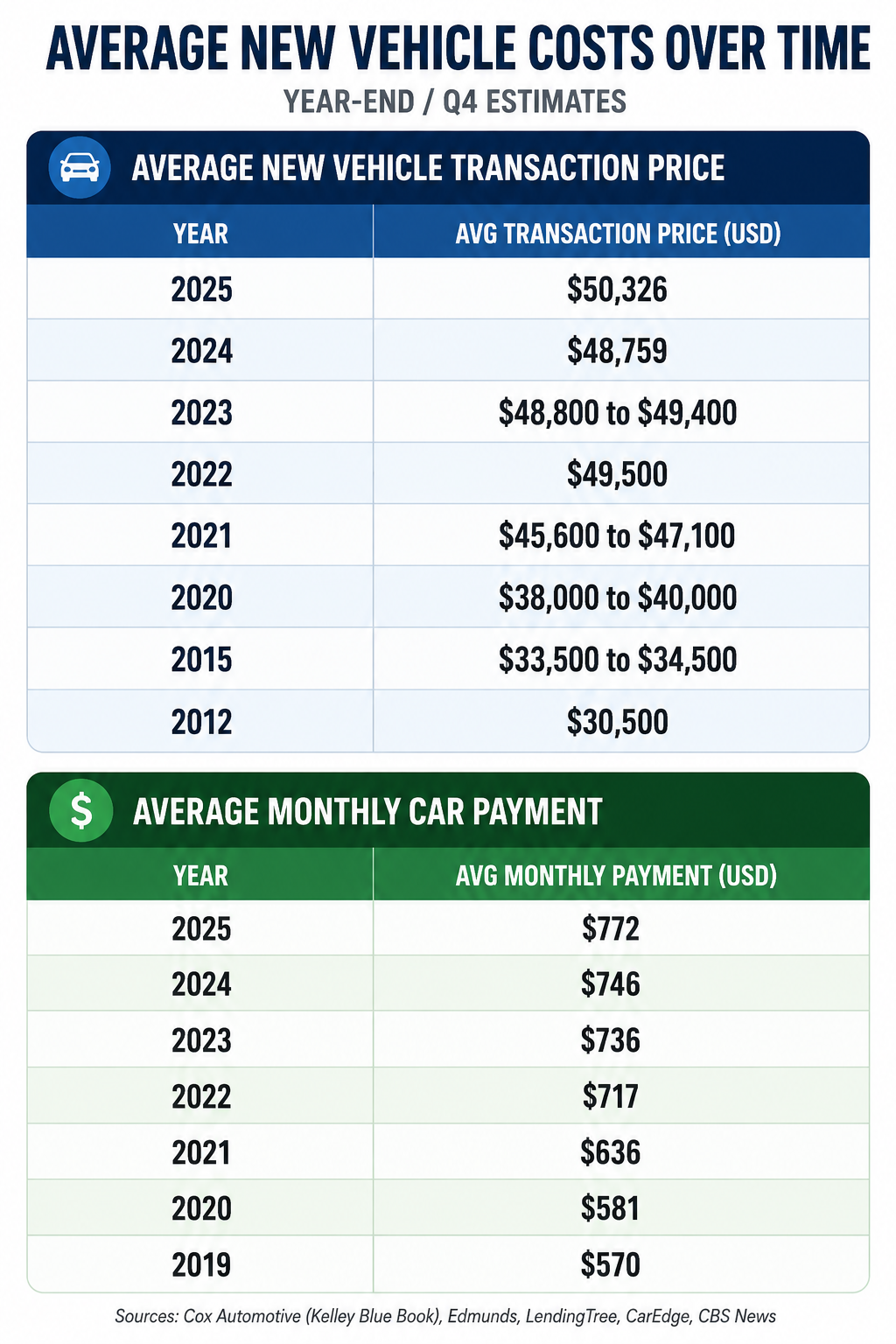
Cox Automotive reports that the average new-vehicle transaction price hit $50,326 in December 2025. These prices have been increasing across every segment of the market for the past decade.
High Vehicle Loans Rates
Sticker shock is only part of the problem. The average new vehicle now carries an MSRP pushing $50,000, and financing it isn't cheap either. Experian put the average new-vehicle loan rate at 6.8% in mid-2025, while used-vehicle buyers faced a steeper average rate of 11.54%.
Expensive Monthly Car Payments
Edmunds reports the average monthly payment on a financed new vehicle reached $772 in Q4 2025, with more than one in five buyers now locked into payments above $1,000 per month.
"Why add another expense when it's finally paid off, right?" This is the mindset for many drivers after they make their last payment.
Long-term Vehicle Ownership Has Auto Repair Shops Winning
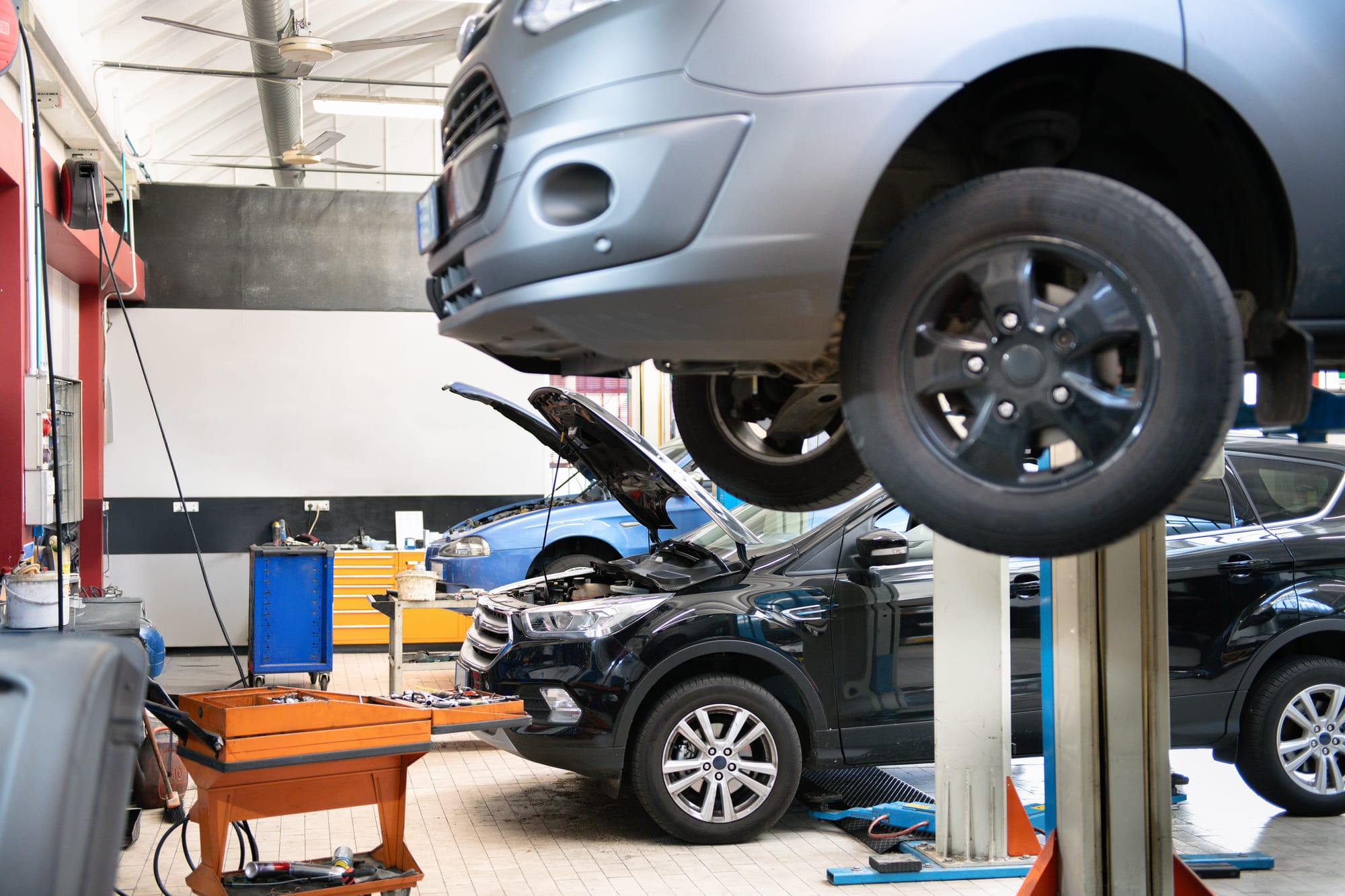
An older-vehicle population creates a massive opportunity for service and maintenance. More than 110 million vehicles in the U.S. now fall within a 6- to 14-year window considered "the prime range for aftermarket repairs, parts replacement, and routine maintenance."
Fewer buyers in showrooms means a decline in new-vehicle sales, even as the overall market grows. Drivers are deciding that keeping what they already own is the smarter move, and when repair expenses remain manageable, holding on to an existing vehicle is often the more practical choice.

Sentimental Value
Long-term ownership could point to the relationships people build with their vehicles. The truck that hauled furniture into your first apartment. The beat-up sedan that logged 200,000 miles. The hand-me-down that became someone's first taste of the open road. Vehicles carry the moments we live through, and for many owners, that history is reason enough to keep driving.