
27% of Drivers Admit to Running Red Lights

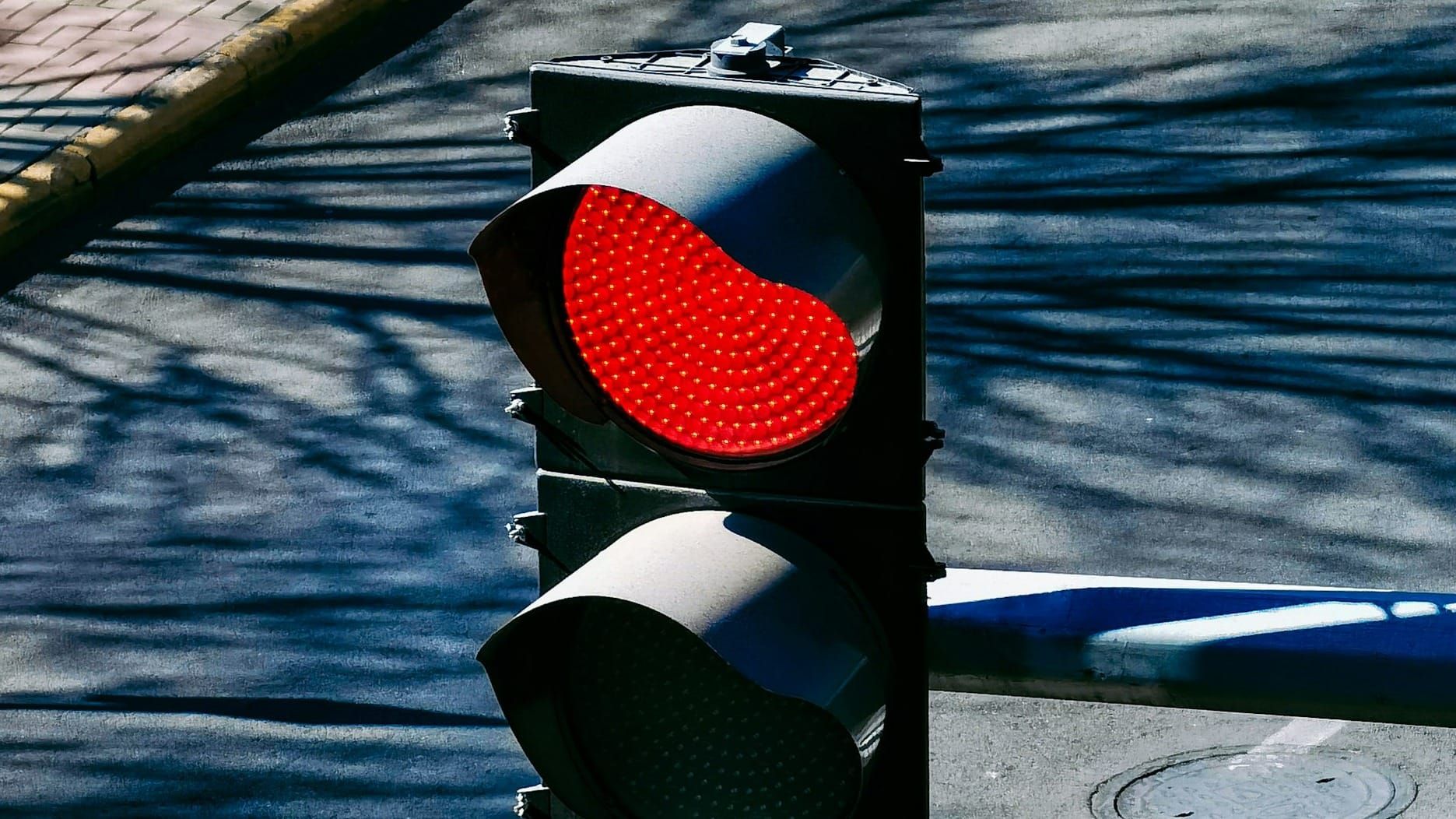
In a 2024 survey by the AAA Foundation for Traffic Safety, 80% of drivers said it is very or extremely dangerous to drive through a light that just turned red when they could have stopped safely. Despite that, 27% of drivers admitted to running a red light in the 30 days before taking the survey.
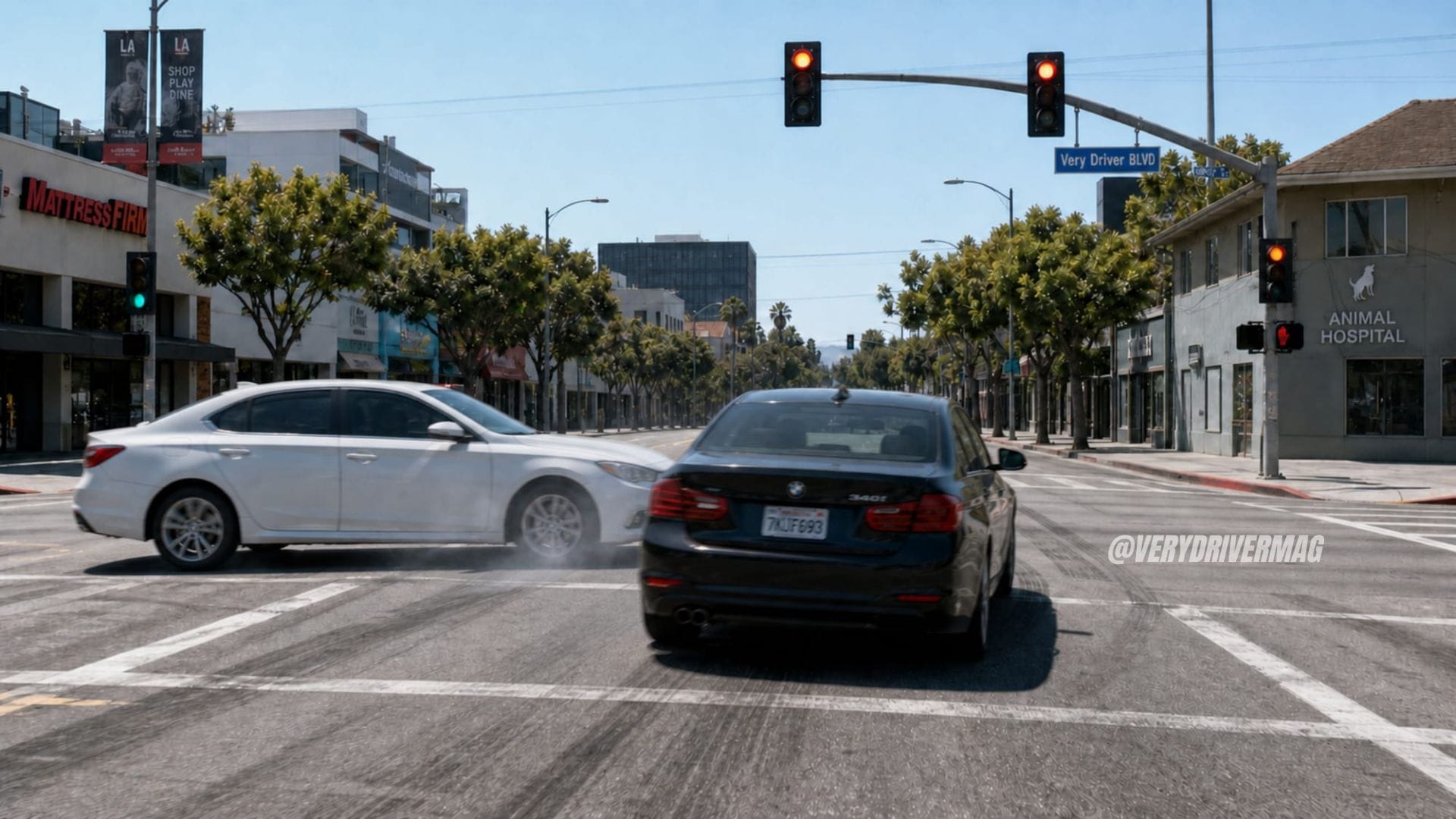
How Often Drivers Run Red Lights
Research on red light camera enforcement in Fairfax, Virginia tracked five busy intersections and found that a driver ran a red light at each intersection every 20 minutes, more often during peak travel times.

The Cost in Deaths and Injuries
According to the Insurance Institute for Highway Safety, 1,119 people were killed in red light running crashes in 2024, and more than 141,000 people were injured. About half of those killed were pedestrians, cyclists, or people in other vehicles hit by the red light runner, not the driver who ran the light.
According to NHTSA, illegal maneuvers like running a red light fall under decision errors, which account for 33% of driver-related errors in crashes.
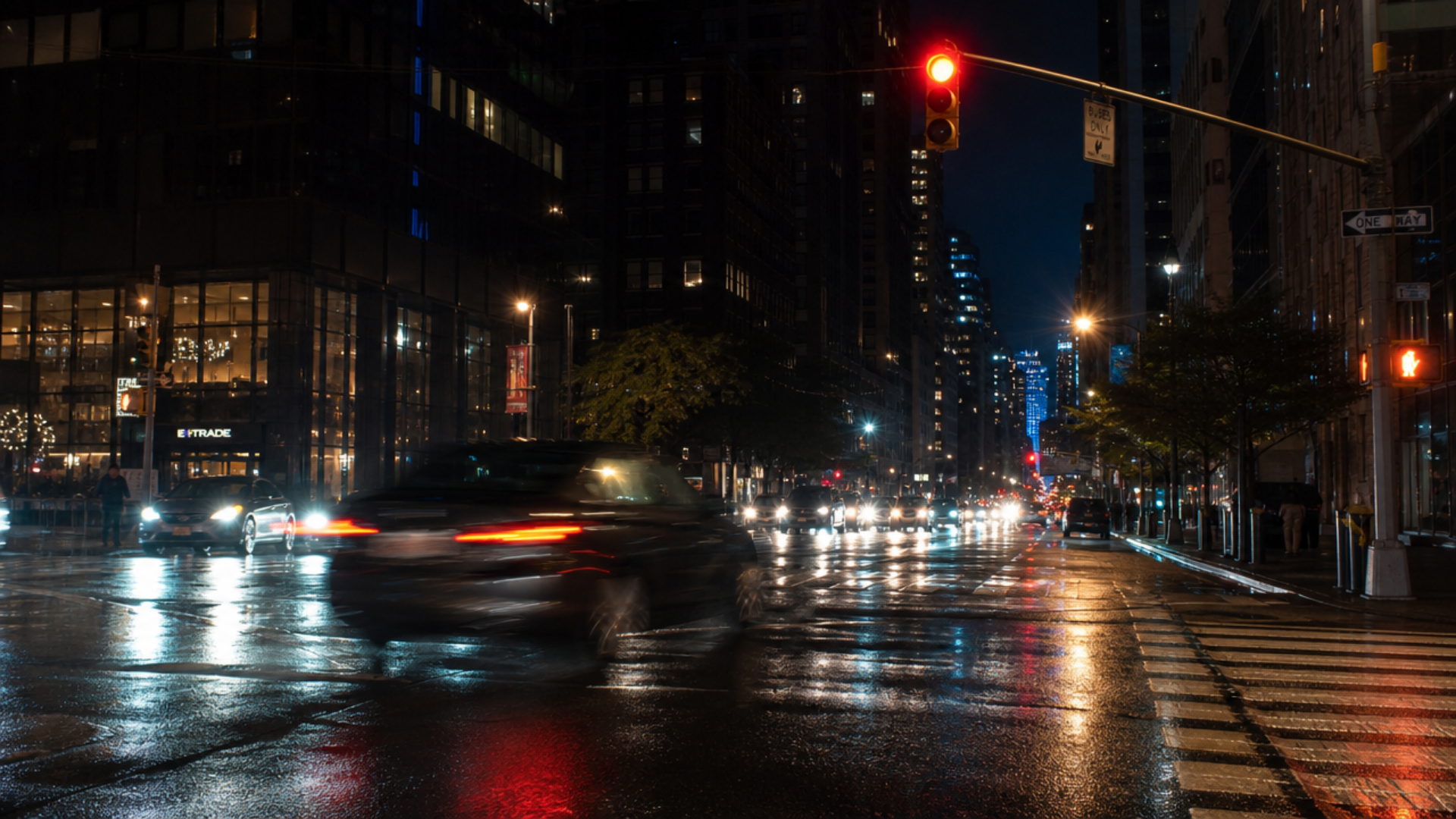
IIHS data also shows a pattern among the drivers most likely to run red lights. In fatal multi-vehicle crashes, the drivers who ran the light were more likely to be male, younger, and to have prior crashes or DUI convictions. They were also more likely to be speeding or impaired at the time of the crash, and less likely to have a valid license.
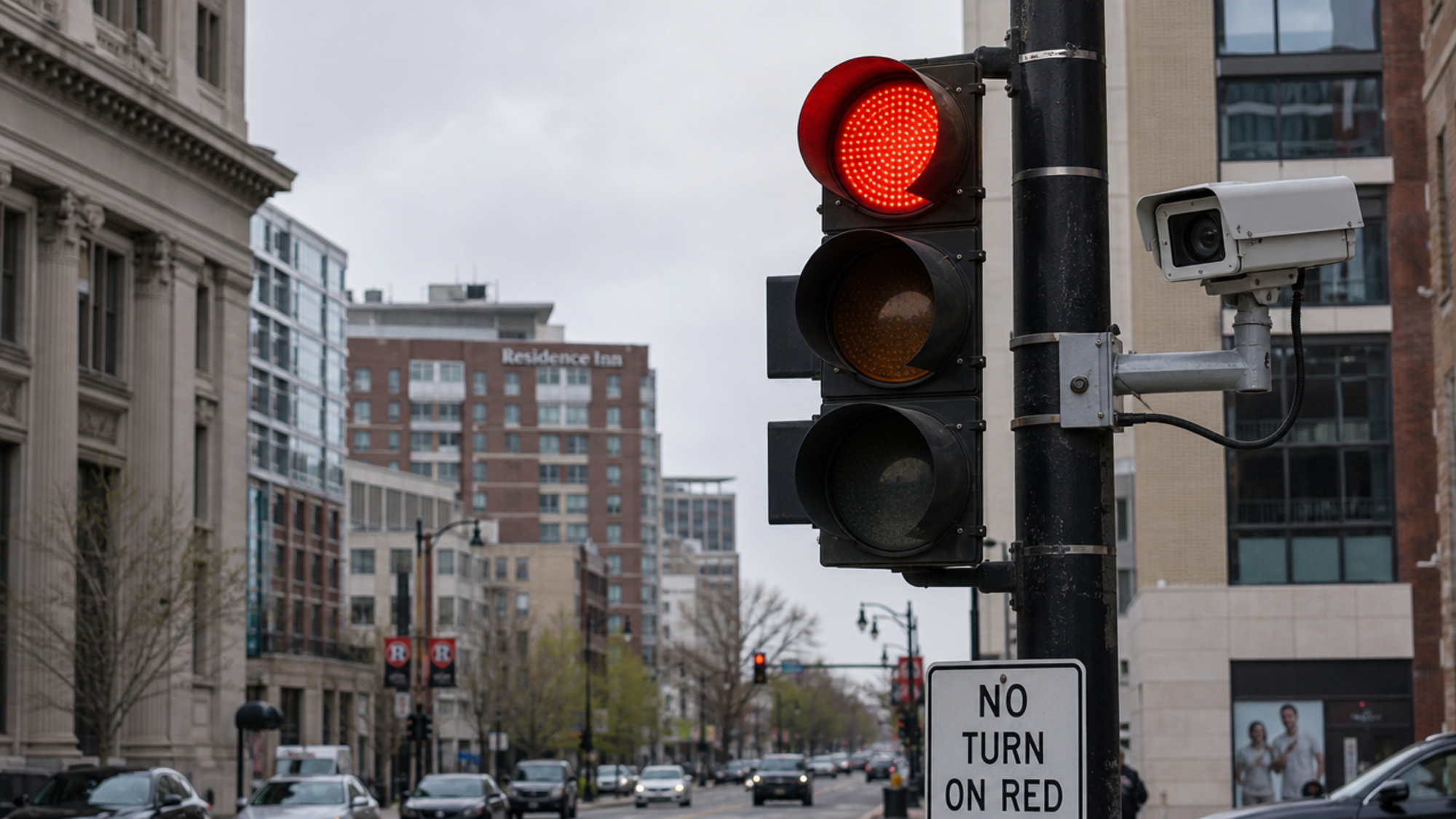
What States Have Red Light Cameras
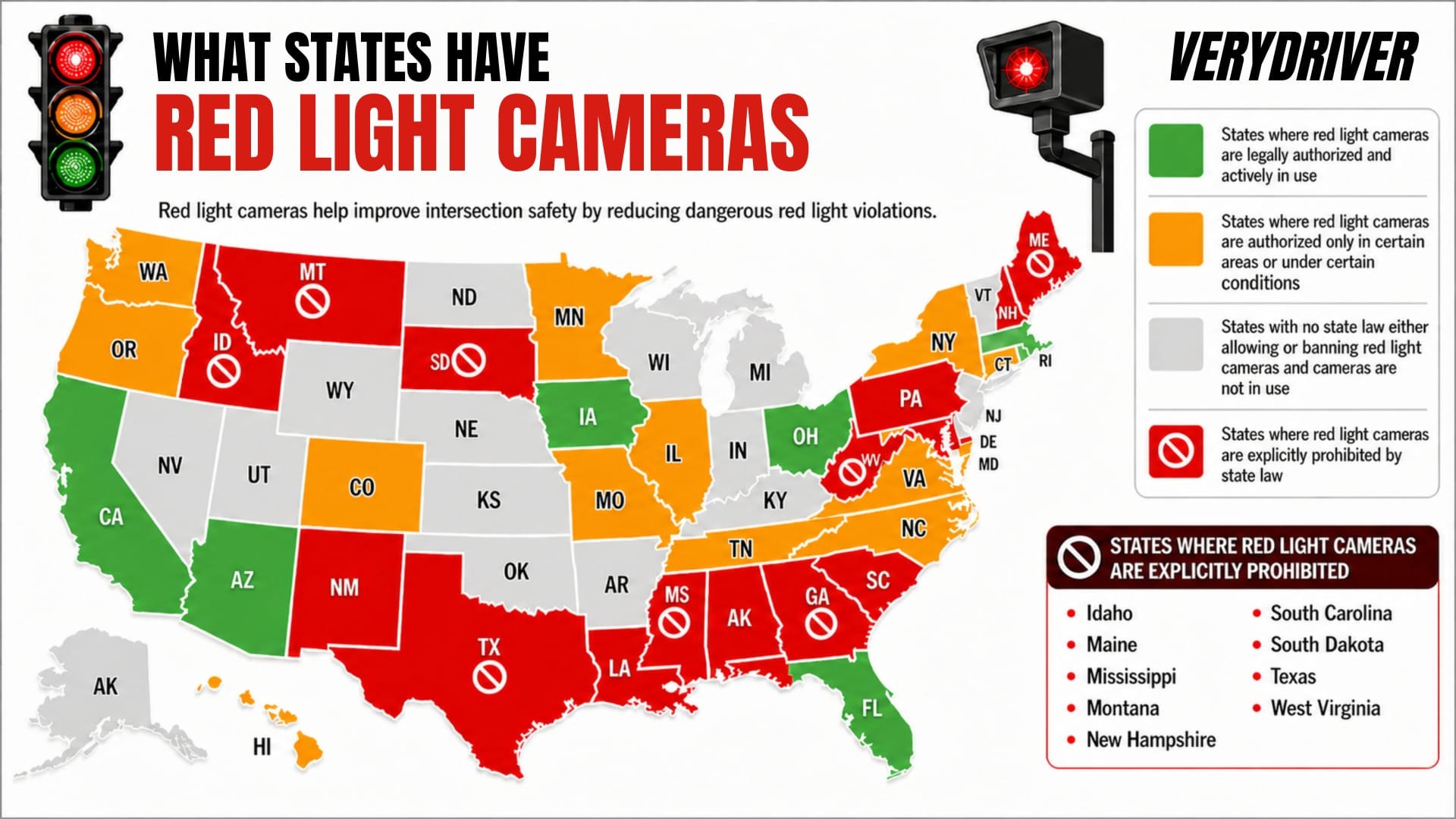
Not every state allows them. Red light cameras are explicitly banned by state law in Idaho, Maine, Mississippi, Montana, New Hampshire, South Carolina, South Dakota, Texas, and West Virginia. Several other states have no laws either allowing or prohibiting them, leaving the decision to local governments.
How Many Cities Have Red Light Cameras
As of 2025, 351 U.S. cities and towns operate red light camera programs, with cameras installed at multiple intersections. That number has declined since 2012, as more programs have been shut down than started.
Two-thirds of drivers in 14 cities with long-running camera programs said they supported them, and in Washington, D.C., support reached 87% among residents.
Do Red Light Cameras Even Work?
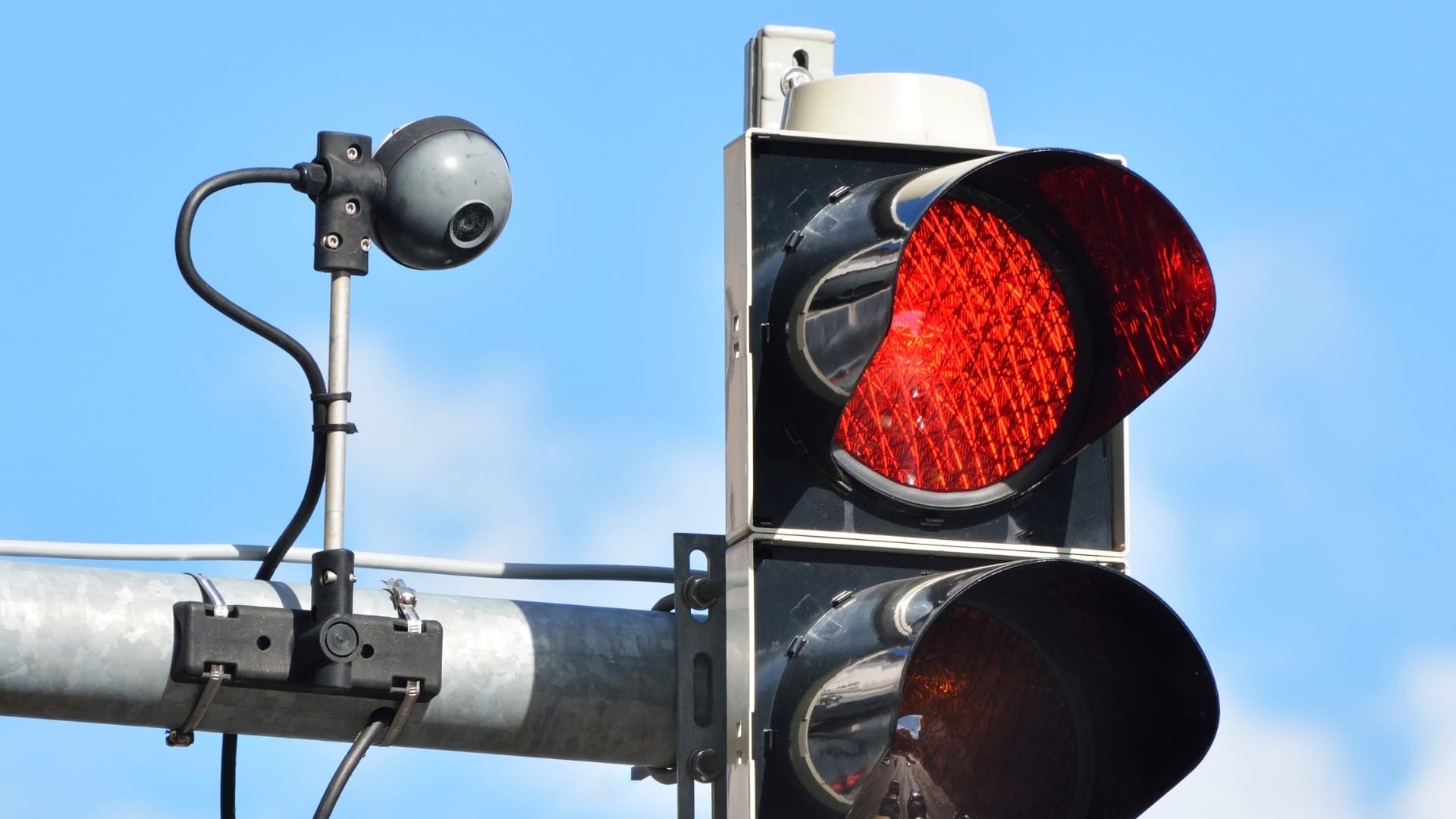
Red light cameras remain one of the few tools shown to reduce red-light running. IIHS research found that cameras in large cities cut the fatal red light running crash rate by 21% and reduced all types of fatal crashes at signalized intersections by 14%.
In a Philadelphia study, lengthening yellow light timing by about a second cut red light violations by 36% on its own. Adding cameras on top of that cut violations by another 96%.
The first red light camera program in the U.S. started in New York City in 1992.
The History of Traffic Lights
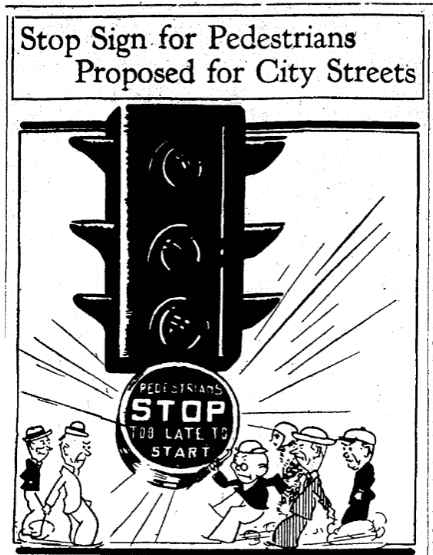
Earlier versions of traffic signals appeared in London in 1868, using semaphore arms during the day and gas lamps at night. The system was short-lived after a gas explosion injured a police officer.
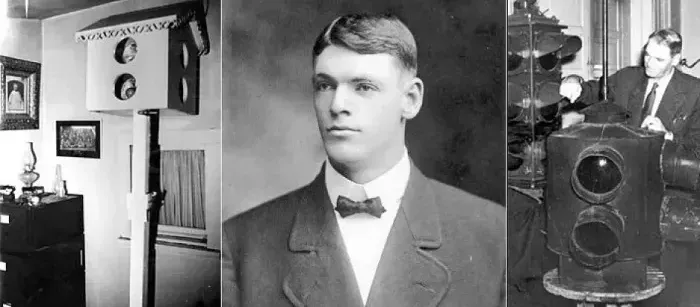
In 1912, Salt Lake City police officer Lester Wire invented the first electric traffic light. Wire headed the department's first traffic squad. He built a hand-operated wooden signal and installed it at 200 South and Main Street, wired to the city's trolley lines. An officer worked the switch from the side of the road. The signal was automated in 1924.
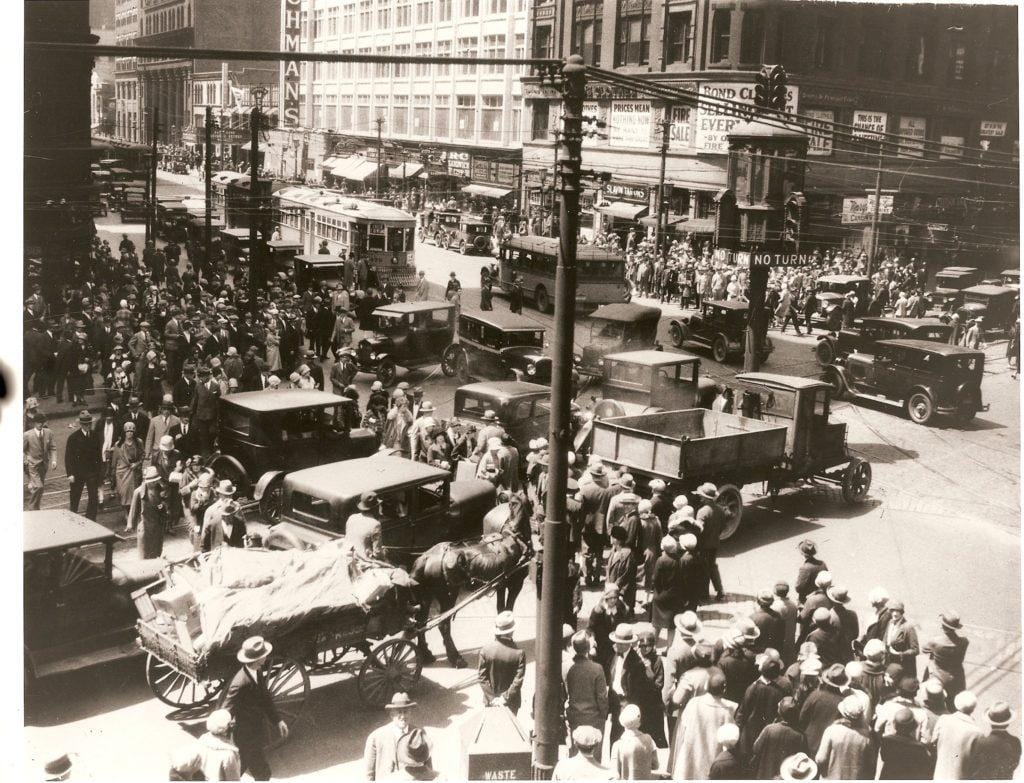
Two years later, in 1914, Cleveland, Ohio, installed a permanent electric traffic light at the corner of East 105th Street and Euclid Avenue. Designed by James B. Hoge, the system used red and green lights to direct traffic, similar to a railroad signal.
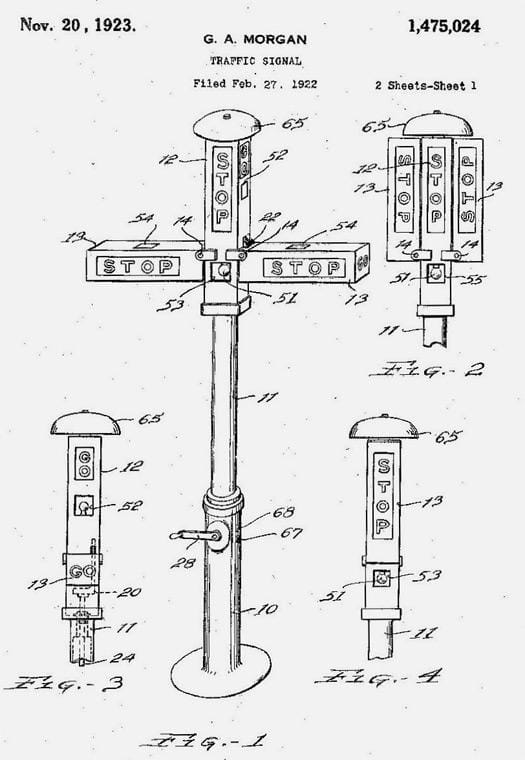
In 1923, Cleveland inventor Garrett Morgan patented a three-position traffic signal that added a warning position between stop and go, the forerunner of today's yellow light. He later sold the rights to General Electric for $40,000.
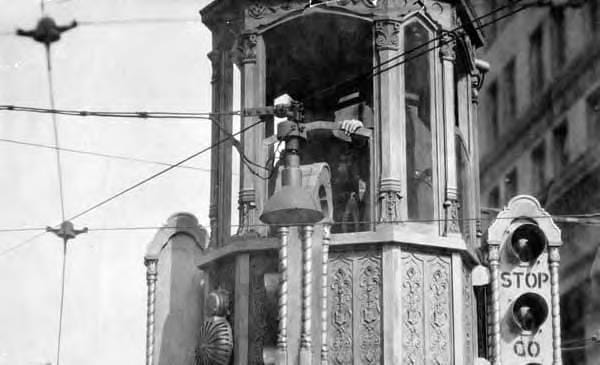
Traffic towers were operated manually, with officers stationed inside at busy intersections switching the lights by hand. Cleveland retired the tower at East 9th and Euclid in 1939.
Stop and Save Lives
Red light runners face real danger. Cutting it close on yellow carries risk too. Intersections can change in seconds, and other vehicles can appear from blind spots before a driver has time to react. A few seconds saved is never worth adding to the 1,119 people killed annually in red light running crashes.